Key Takeaways
- Understanding home buying myths and facts helps you make informed, confident decisions.
- Assess your finances, risks, and practical needs before you start your home search.
Buying a home is a major milestone, but popular misconceptions can easily mislead you. By separating fact from fiction, you can navigate the process with greater confidence. Let’s explore what you need to know before making one of your biggest decisions.
What Should You Know Before Buying?
Understanding your financial situation
Before buying a home, take a close, honest look at your financial health. Start by reviewing your income, existing debt, monthly expenses, and savings. Consider how much you can comfortably spend on a mortgage each month—beyond just the loan payment, remember to account for property taxes, homeowner’s insurance, maintenance, and utilities. Good preparation means knowing your credit score, understanding your debt-to-income ratio, and having an emergency fund for unexpected expenses. This assessment gives you a realistic sense of what you can afford and reduces the risks of financial surprises down the line.
Common first-time buyer questions
As a first-time buyer, you likely have questions about credit requirements, loan types, and how the process works. Typical concerns include whether renting is smarter than owning, how much you need for a down payment, and how to decide between different property types. Seek reliable, neutral information and remember that your circumstances are unique. Asking the right questions now helps prevent avoidable mistakes later.
Top Home Buying Myths Explained
Myth: You need a perfect credit score
A common myth is that only buyers with flawless credit scores can qualify for a mortgage. In reality, many lenders offer various mortgage products for a wide range of credit profiles. While a higher credit score can mean more favorable loan terms, you don’t need perfection to start your journey. Checking your credit early gives you time to correct errors or make improvements before applying.
Myth: Renting is always cheaper than owning
Some believe renting always saves money over buying, but the answer depends on local market conditions, rent trends, and your financial plans. While buying comes with upfront costs, ownership also builds equity over time. Compare the total monthly and long-term costs—not just the headline mortgage or rent number—when weighing your options.
Myth: You must have a large down payment
Many people believe you need a 20% down payment, but many mortgage products allow much smaller down payments. Depending on the loan type and your eligibility, you may be able to put down as little as 3% to 5%. Smaller down payments can increase your monthly costs and require mortgage insurance, so weigh all considerations carefully.
What Are the Facts About Mortgages?
Types of mortgage products
As a homebuyer, you can choose from several mortgage loan types—conventional, FHA, VA, and USDA, among others. Each has its own eligibility criteria, down payment requirements, and terms. Fixed-rate mortgages have predictable monthly payments, while adjustable-rate options could fluctuate over time. Exploring the pros and cons of each product helps you find the one that matches your financial picture and risk comfort.
How pre-approval works
Getting pre-approved shows sellers you’re a serious buyer and gives you a clearer idea of your purchasing power. During pre-approval, a lender reviews your income, debt, assets, and credit. This doesn’t guarantee final loan approval, but it provides valuable insight and strengthens your negotiating position. To start, gather documentation like pay stubs, bank statements, and tax returns, so you’re ready to act when you find a property you love.
How Does Your Lifestyle Impact Choice?
Location and commute
Think about how where you live will shape your daily life. Consider how close you are to work, schools, shopping, and leisure activities. A shorter commute can save time and reduce stress, and access to public transportation, parks, or cultural amenities may also matter. Visit potential neighborhoods at different times of day to get a true sense of the environment.
Property types and amenities
Homes come in many forms—single-family houses, townhomes, condos, or multi-unit dwellings. Consider which property type best matches your needs, both now and as your circumstances may evolve. Also weigh amenities such as outdoor space, parking, and shared facilities. Make a list of your must-have features versus nice-to-haves to guide your search.
What Risks Should Buyers Understand?
Market changes and property values
Property markets are dynamic and can fluctuate significantly. Housing market changes can affect property values, which matters if you plan to sell again or are concerned about your long-term investment. While homeownership can build equity, there are no guarantees of steady value increases. Stay informed, but recognize that some risk is inherent.
Inspection and unexpected costs
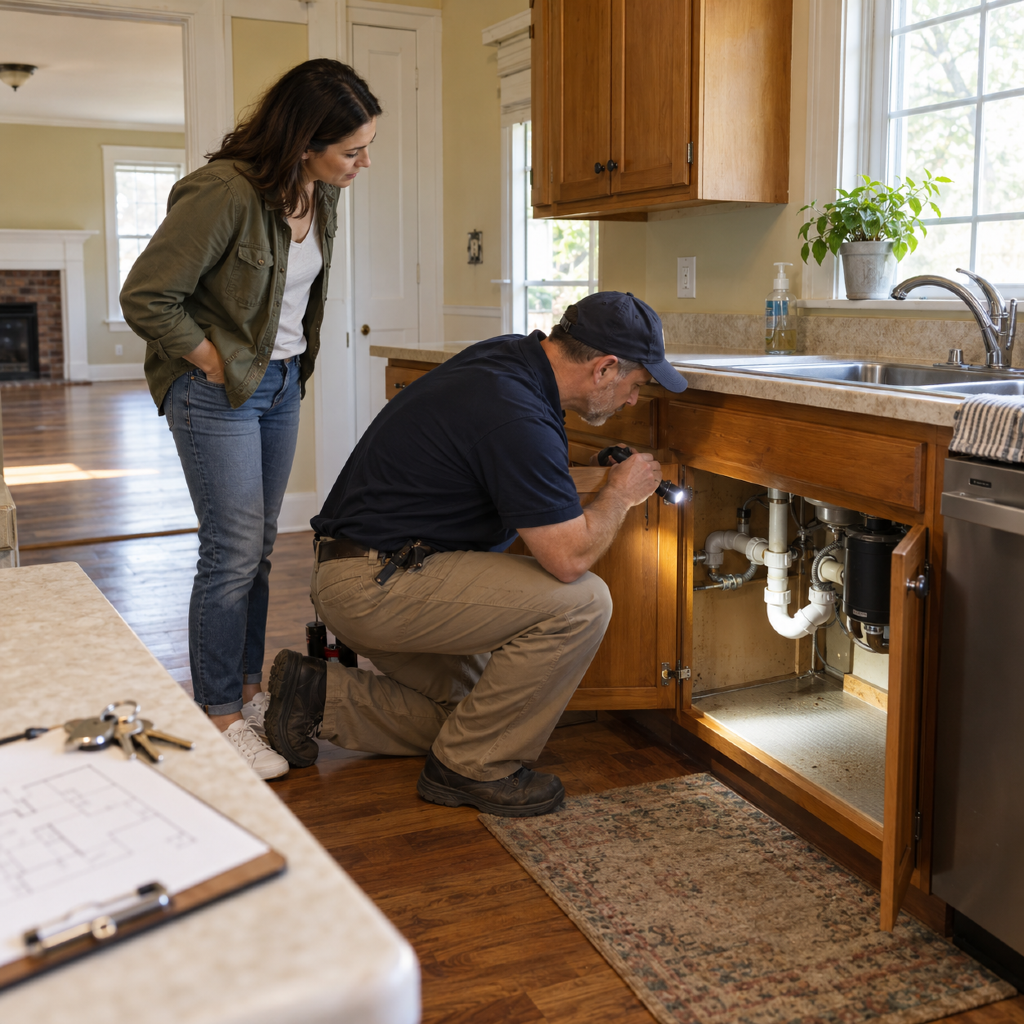
A professional home inspection is a must before closing any sale. Inspections can reveal issues that may require repair or negotiation. Unexpected costs—such as appliance failures, roof leaks, or plumbing issues—are possible, even in newer homes. Build a contingency fund into your budget to manage surprises without financial strain.
Are There Steps to Prepare for Home Buying?
Setting a realistic budget
Begin by carefully outlining a comprehensive budget that fits your lifestyle. Include the down payment, monthly mortgage, insurance, taxes, and utilities, and set aside a reserve for repairs or emergencies. Knowing your limits helps you shop confidently without overextending financially.
Gathering documents and resources
The mortgage application process requires several documents: proof of income, assets, employment, and detailed credit history. Collect them in advance to speed up pre-approval and reduce stress. Building relationships with qualified professionals—such as real estate agents and home inspectors—can provide guidance and protect your interests, but you should always own your decisions.
Can You Avoid Common Home Buying Mistakes?
Overlooking total costs
It’s easy to focus solely on the listing price or monthly payment, but total homeownership costs include additional fees, taxes, insurance, repairs, and maintenance. Reviewing all expenses before you buy prevents surprises and helps you assess what you can truly afford.
Rushing the decision process
Emotions often run high during home buying, but acting too quickly can lead to missed details or buyer’s regret. Take your time, ask questions, and seek advice from trusted, neutral sources. Pausing to reflect before making an offer lets you choose what best aligns with your goals and circumstances.