Key Takeaways
- Buying a new construction home involves distinctive steps, choices, and financing considerations.
- Understanding the pros and cons helps you decide if a new build fits your needs compared to resale options.
Thinking about purchasing a new construction home? You’re not alone – interest in newly built homes continues to rise as buyers seek modern amenities, efficiency, and the chance to tailor a home to their needs. In this guide, you’ll learn what makes new construction unique, the steps to purchase, financing basics, and how new homes compare to resales.
What Are New Construction Homes?
Definition and basic overview
A new construction home is a residential property that’s recently built and has not been previously occupied. These homes offer you a fresh start—no previous owners, no inherited maintenance issues, and the ability to choose finishes and layouts that match your lifestyle. Typically, you’ll work with a builder to either buy a move-in-ready home or oversee construction from the ground up.
Types of new construction homes
There are several types of new build homes to consider:
- Spec homes: Completed or nearly complete homes built by developers without a specific buyer lined up. These can offer a quicker move-in with some modern features.
- Semi-custom homes: You select from a range of floor plans and personalize features such as paint colors, flooring, or kitchen fixtures.
- Custom homes: Built exclusively to your specifications, often on land you own or acquire through the builder. This gives you full control over layout and design, but it usually comes with a longer timeline and potentially higher costs.
Why Consider New Construction Homes?
Modern features and customization
With new construction, you often have a say in finishes, materials, and even the floor plan itself. Want an open-concept kitchen, smart home tech, or upgraded appliances? Many builders offer these as standard or optional, so your new home reflects your priorities.
Energy efficiency benefits
Most new builds incorporate efficient heating and cooling systems, higher-quality insulation, double- or triple-pane windows, and energy-saving appliances. These features not only reduce your environmental footprint but can also lower ongoing utility bills, offering a practical appeal in the long run.
What Steps Are Involved in Buying?
Researching neighborhoods and builders
Begin by exploring different neighborhoods and researching the builders active in those areas. Evaluate builder reputations through online reviews, local records, and by speaking with past buyers when possible. Consider schools, amenities, commute times, and planned developments that may affect your quality of life.
Visiting model homes
Visit model homes to get a sense of floor plans, finishes, and overall construction quality. Model homes can demonstrate the possibilities but may include upgrades not standard in base models—ask questions so you know what’s included versus optional.
Understanding the building process
Buying a new build typically means a multi-stage process:
- Select your lot and floor plan.
- Choose finishes and upgrades.
- Sign a purchase agreement (often with a deposit).
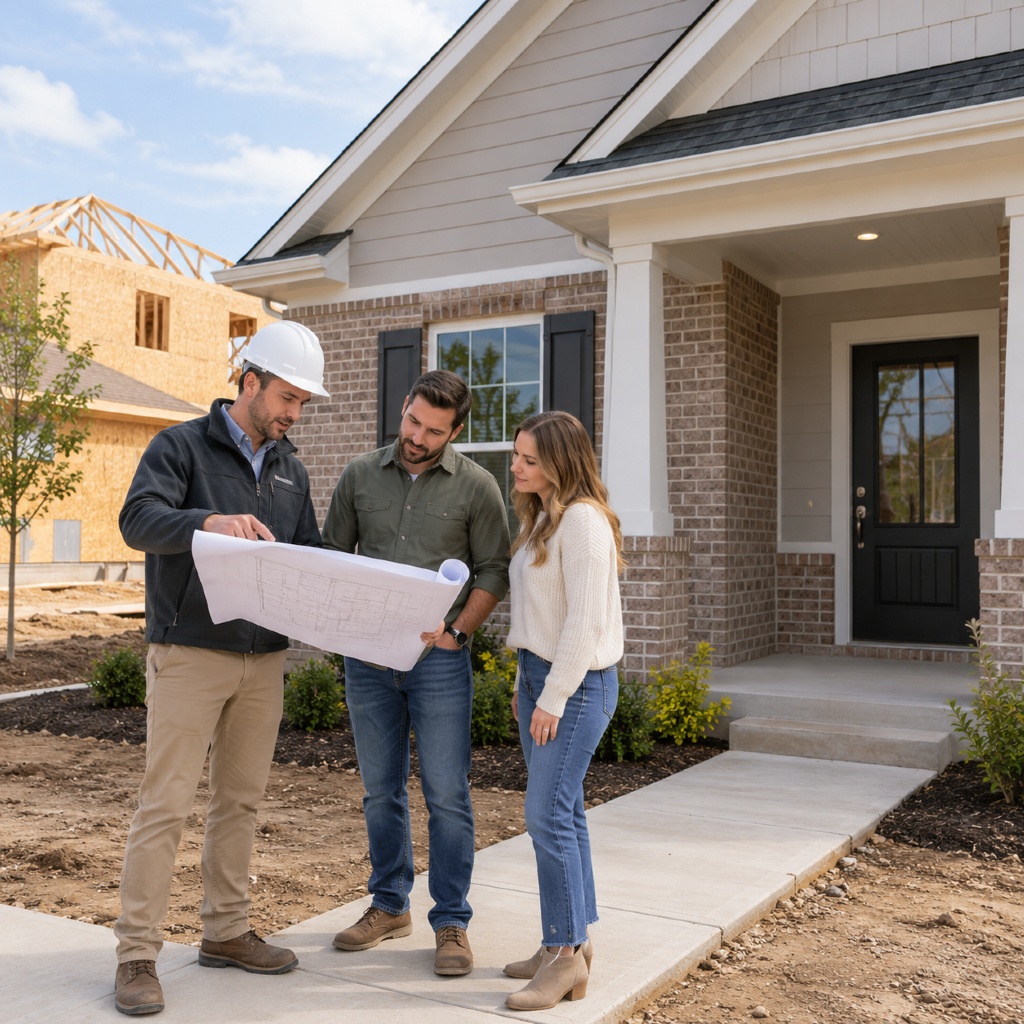
- Attend periodic walkthroughs as construction progresses.
- Finalize a closing date once the home is complete and passes all required inspections.
Be prepared for steps like permit approvals, utility connections, and addressing any issues noted during “punch list” inspections near completion.
New Construction Financing: What To Know?
Mortgage options for new builds
Financing a new build can differ from traditional resale homes. You may encounter options such as conventional mortgages, FHA loans, or VA loans, each with specific criteria and requirements. Some buyers use a construction-to-permanent loan, which finances the build and later transitions to a typical mortgage. Research these options and clarify how payments and interest are structured.
Down payment and closing costs
You’ll typically need to provide a deposit when signing the purchase contract, which contributes to your down payment. Down payment requirements vary by lender and loan type, as do closing costs, which can include title fees, inspections, and builder administrative charges. Clarify which costs you’re responsible for before moving forward.
Builders’ preferred lenders explained
Many builders suggest or require a preferred lender who is familiar with the builder’s process and timelines. While you’re free to shop other lenders (and it’s wise to compare rates and fees), the preferred lender may streamline some communication or offer incentives. Always review terms carefully and understand there is no obligation to choose any particular lender.
Pros of Buying New Construction Homes
Customization and warranties
One of the most attractive features of new homes is the ability to personalize major elements, whether it’s kitchen cabinets or bathroom tiles. New construction often includes warranties for structural integrity, major systems, and sometimes even appliances. These warranties can provide peace of mind in the first years of homeownership.
Lower maintenance requirements
Because everything from the roof to plumbing is brand new, you typically face fewer immediate repairs. Newer materials, building techniques, and up-to-date codes also mean greater reliability up front, so you can focus on settling in without a long list of projects.
Cons of New Construction Homes
Potential for build delays
Construction timelines may not always go as planned. Bad weather, supply chain issues, inspections, or permitting delays can all impact your move-in date. Stay in close communication with your builder, be flexible, and build contingencies in case of schedule changes.
Neighborhood completion concerns
If you’re moving into a partially completed development, expect continued construction activity—noise, dust, and traffic—for months or even years as other homes are finished. When planning your move, ask about projected timelines for overall neighborhood buildout.
How Do New Homes Compare to Resale?
Key differences in price and features
New homes often command a price premium compared to similar-sized resale homes, reflecting modern features, energy efficiency, and contemporary layouts. However, resale homes may offer mature landscaping, established neighborhoods, and sometimes more room to negotiate price.
Inspection and negotiation process
Inspections for new construction focus on verifying that work meets current codes and builder specifications. You may participate in multiple walkthroughs with your builder, but it is still advisable to hire your own independent inspector. Negotiations may be more limited around the base price but can sometimes focus on upgrades, closing costs, or additional features instead.