Key Takeaways
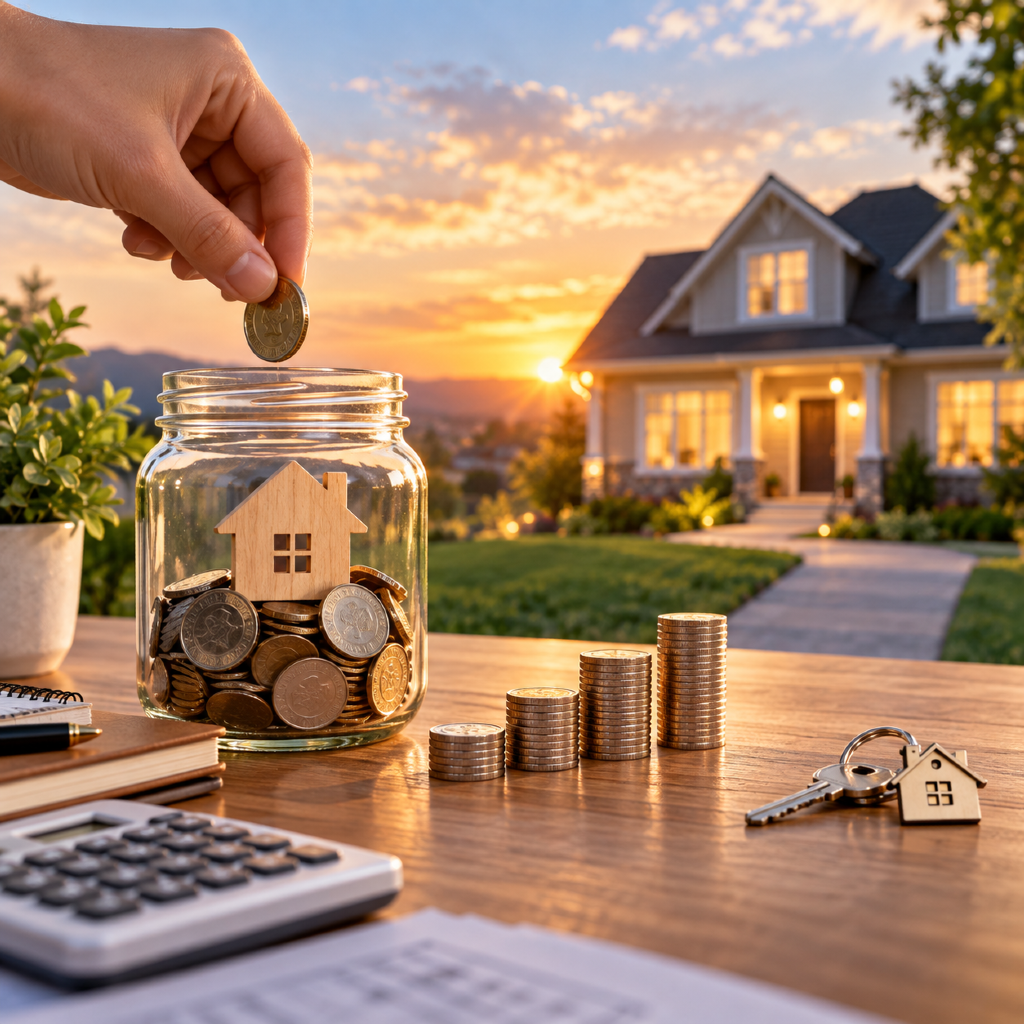
- Start saving early using automated strategies and clear milestones to maximize your down payment fund.
- Understand key factors like down payment minimums, account types, and assistance options to plan your approach.
Buying a home is one of life’s biggest financial decisions, and saving for a down payment is often the very first—and most significant—step. By understanding essential strategies and common challenges, you can prepare more confidently for your journey to homeownership.
What Is a Home Down Payment?
When you buy a home, your down payment is the portion of the purchase price paid upfront, before your mortgage loan covers the remainder. Lenders view it as your investment in the property.
Typical down payment percentages
Most buyers put down between 3% and 20% of the home’s price as a down payment. The exact amount depends on your lender, the loan type, and your personal finances. Some programs allow for even lower percentages, especially for qualified first-time buyers.
Down payment vs. closing costs
It’s important to remember that your down payment is not the only upfront expense. Closing costs—covering things like lender fees, appraisals, title insurance, and taxes—are additional and usually range from 2% to 5% of the purchase price.
Why Is Saving Early Important?
Building up your down payment fund takes commitment and time, so starting early gives you financial flexibility and greater control over your home purchase.
Compound growth advantages
The sooner you start saving, the more you can benefit from compound growth, where your savings earn interest on both your initial deposits and the interest those deposits generate. This effect is most valuable with longer timelines, even if you’re contributing smaller amounts each month.
Planning for market shifts
Home values and mortgage rates can change over time. By starting to save early, you put yourself in a better position to adapt—to adjust your target or pivot to different options if the market shifts.
What Factors Affect Down Payment Size?
You’ll want to figure out your ideal down payment size based on your unique situation and the loan options available to you.
Home price and loan type
Generally, the higher the purchase price, the larger your required down payment. Loan types also matter; for example, conventional loans typically need at least 5% down, while government-insured loans (such as FHA, VA, or USDA) may have lower or even zero minimum requirements for qualified buyers.
Minimums for different mortgages
Each mortgage type sets different down payment minimums. For instance, FHA loans may allow as little as 3.5% down, VA and USDA loans could be as low as 0% (for those eligible), while conventional loans usually require at least 3–5%.
How Can You Estimate Your Goal?
Setting a realistic target amount is key to keeping your savings plan on track.
Calculating a target amount
Begin by researching home prices in your preferred area. Multiply your expected price by your desired down payment percentage (for example, 10% of $300,000 is $30,000). This estimate serves as your starting goal.
Additional purchase costs to consider
Besides the down payment, be sure to plan for closing costs, moving expenses, initial repairs, and reserves required by your lender. These can add up, so include them in your overall target.
Best Ways to Save Consistently
Commitment and consistency are your best tools for growing your down payment fund.
Automated savings strategies
Consider setting up automatic transfers from your checking account into a dedicated savings account right after each payday. When your savings happen automatically, you don’t have to rely on sheer willpower each month.
Budgeting tips for households
Update your household budget to prioritize your savings goal. Track spending, look for recurring expenses that can be reduced (like subscriptions), and earmark any windfalls (like bonuses or tax refunds) for your home fund.
What Accounts Should You Use?
Where you keep your savings will affect its accessibility and the interest you earn.
High-yield savings accounts
High-yield savings accounts often pay better interest rates than traditional savings accounts. They can help your money grow a little faster while remaining easy to access when it’s time to buy.
Certificates of deposit and alternatives
Certificates of deposit (CDs) typically offer fixed, higher interest rates than standard savings accounts, but your funds are locked in for a set period. Other alternatives to consider include money market accounts or short-term government bonds, which provide security and some yield.
Should You Use Gifts or Grants?
Many buyers supplement their own savings with help from others or through official assistance programs.
Gift funds from relatives or friends
Financial gifts from family members or friends can often be applied toward your down payment. If you receive a gift, keep clear documentation as lenders usually need to verify its source.
Overview of selected assistance programs
Various government agencies and community organizations offer down payment assistance, typically in the form of grants, forgivable loans, or matched savings plans. Each program has different requirements and benefits, so carefully review eligibility and application details before relying on these funds.
How Do You Track Your Progress?
Measuring your progress turns a big goal into manageable steps.
Setting milestones and timelines
Break your total goal into smaller milestones. For example, aim to save $5,000, then $10,000, or hit a certain percentage of your target within the first year. Establish realistic timelines that match your income and spending patterns.
Adjusting your plan as needed
If your income changes or expenses increase, revisit your plan and adapt as necessary. Don’t hesitate to adjust your monthly savings rate or extend your timeline—success comes from steady progress, not perfection.
What Are Common Saving Challenges?
Every savings journey has obstacles; identifying them early helps you plan for success.
Managing unexpected expenses
Unplanned expenses can disrupt your progress. Build a small emergency fund alongside your down payment fund so that you’re less likely to dip into your home savings when something comes up.
Staying motivated over time
Saving for a down payment can take years. Track your progress visually, celebrate milestones, and remind yourself regularly why you started. You might also share your goal with trusted friends or family for added encouragement.