
Key Takeaways
- A tailored checklist helps safeguard your home buying process by organizing critical steps and minimizing oversights.
- Using a checklist empowers you to make clearer, less stressful decisions when evaluating and purchasing a property.
Most homebuyers worry about missing a key detail or making avoidable mistakes. By following a structured checklist, you can simplify the complex journey and confidently avoid common pitfalls. Read on to see how a well-prepared checklist changed the outcome for one buyer — and how you can build your own.
What Is a Home Buying Checklist?
Checklist purpose in real estate
A home buying checklist acts as a step-by-step guide to help you remain organized throughout the property search and purchase. Its main role is to ensure you don’t overlook any essential tasks — like reviewing documents, scheduling inspections, or verifying financing details. This tool brings clarity to a complex process, making it easier for you to progress methodically and avoid costly missteps.
Common components explained
Typical home buying checklists cover all phases of the journey. You’ll find items such as defining your budget, confirming mortgage pre-qualification, researching neighborhoods, identifying must-have features, attending showings, arranging for inspections, reviewing contracts, and tracking contingency deadlines. Some checklists even break down each stage, allowing you to monitor your progress and make sure every base is covered before making any commitments.
Why Use a Checklist When Buying?
Identifying potential pitfalls
Without a checklist, it’s easy to miss critical steps. You might overlook reviewing a property’s legal history, delay a needed inspection, or bypass key disclosures. The checklist works as your safety net — reminding you of tasks that safeguard your investment and keep the process running smoothly.
Reducing homebuyer stress
Embarking on a property purchase can be overwhelming. A clear, itemized checklist reduces uncertainty, helping you to manage time efficiently and prioritize with confidence. By keeping everything organized, you limit the likelihood of last-minute surprises and enjoy a less stressful, more controlled experience.
Case Study Overview: Jamie’s Home Search
Checklist introduction and setup
Meet Jamie, a first-time homebuyer anxious about overlooking potential problems in a fast-moving market. Wanting to stay organized and informed, Jamie downloaded a comprehensive home buying checklist from a trusted real estate resource and customized it to fit her specific priorities — like proximity to work, school districts, and budget range.
Initial property visits
As Jamie attended open houses and private showings, she brought the checklist along, methodically noting property features, neighborhood details, and any repair red flags. Each visit ended with Jamie updating the checklist, recording questions for her real estate agent, and tracking follow-up tasks like requesting seller disclosures or arranging additional walkthroughs.
How Did the Checklist Prevent Mistakes?
Missed inspection red flags avoided
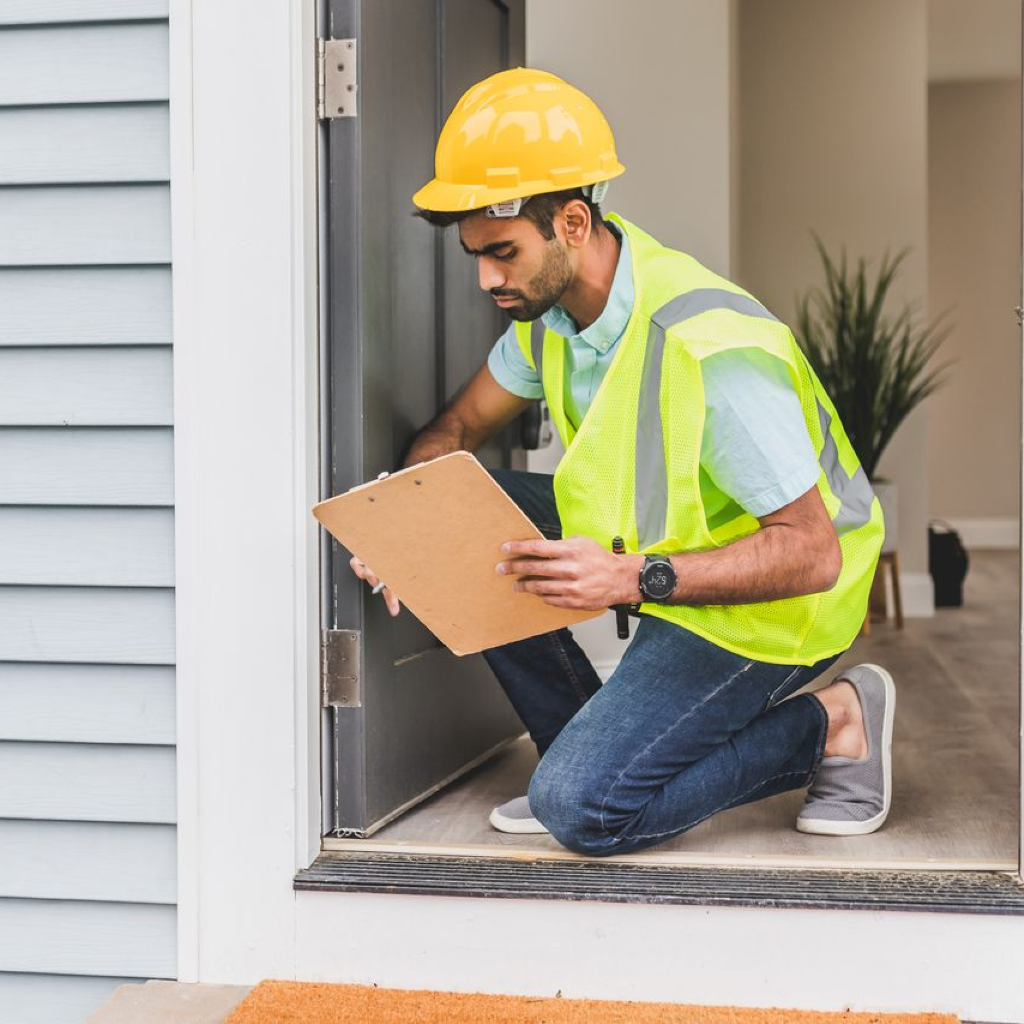
During one promising property visit, Jamie’s checklist highlighted the need to review the condition of heating and plumbing systems. This prompted a closer look — and Jamie’s inspector uncovered a lingering roof leak, which could have led to major repair costs. By following the checklist, Jamie knew to ask about recent repairs and request documentation, preventing a potentially expensive oversight.
Budget and financing alignment
The checklist also reminded Jamie to double-check her loan pre-approval, calculate closing costs, and confirm repair budgets for each property viewed. Instead of falling for a home that stretched her finances thin, Jamie stuck closely to her budget, ensuring both short-term affordability and long-term financial comfort.
What Mistakes Could Be Missed Without One?
Overlooking key documents
Without a checklist, it’s surprisingly common for buyers to forget essential paperwork, like reviewing seller disclosures, local zoning details, or confirming title documentation. Missing any of these can create trouble after you move in, from surprise liens to boundary disputes.
Skipping essential due diligence
It’s also easy to skip due diligence in the rush to make an offer. This could mean not ordering a full home inspection, failing to verify HOA rules, or missing deadlines on contingency clauses. Each skipped step introduces risk — but a checklist keeps these responsibilities in front of you, reducing your chances of costly errors.
Can a Checklist Support Decision-Making?
Comparing multiple properties
When you’re weighing several options, a checklist helps you compare properties side by side. By recording pros, cons, and key considerations for each home, you build a clear overview that aids your decision. This method allows you to prioritize features that matter most, see which homes fit your non-negotiables, and identify those that fall short.
Clarifying wants versus needs
It’s common to get caught up in aesthetics or one standout feature. A good checklist distinguishes your “must-haves” from “nice-to-haves,” preventing you from compromising on essentials like location, safety, or budget. This clarity enables you to remain focused and make confident choices—especially if you feel pressure in a competitive market.
Tips for Creating Your Own Checklist
Sourcing reliable checklist templates
Begin with trustworthy templates from non-biased housing organizations or reputable industry sources. These provide a solid foundation, already populated with the most common steps and recommended best practices. Make sure any template is up-to-date and designed for your region, as requirements and norms can vary.
Adapting checklists for unique needs
No two homebuyers have the exact same priorities. Personalize your checklist by adding lines for unique concerns — whether it’s proximity to family, necessary renovations, pet-friendliness, or access to public transit. If this is your first purchase, consider consulting a neutral real estate professional or consumer advocate to review your draft and suggest additions.