Key Takeaways
- Zero down payment mortgages make homeownership possible without a large upfront cost, but come with unique eligibility rules and financial considerations.
- Carefully review the benefits and risks, ask informed questions, and consider alternatives before choosing a zero down mortgage.
Exploring homeownership with little or no savings for a down payment might sound out of reach, but several zero down mortgage options can open the door. This guide covers what these loans are, who can qualify, popular programs, key steps, and what to expect as you move through the process.
What Is a Zero Down Mortgage?
Definition and core concept
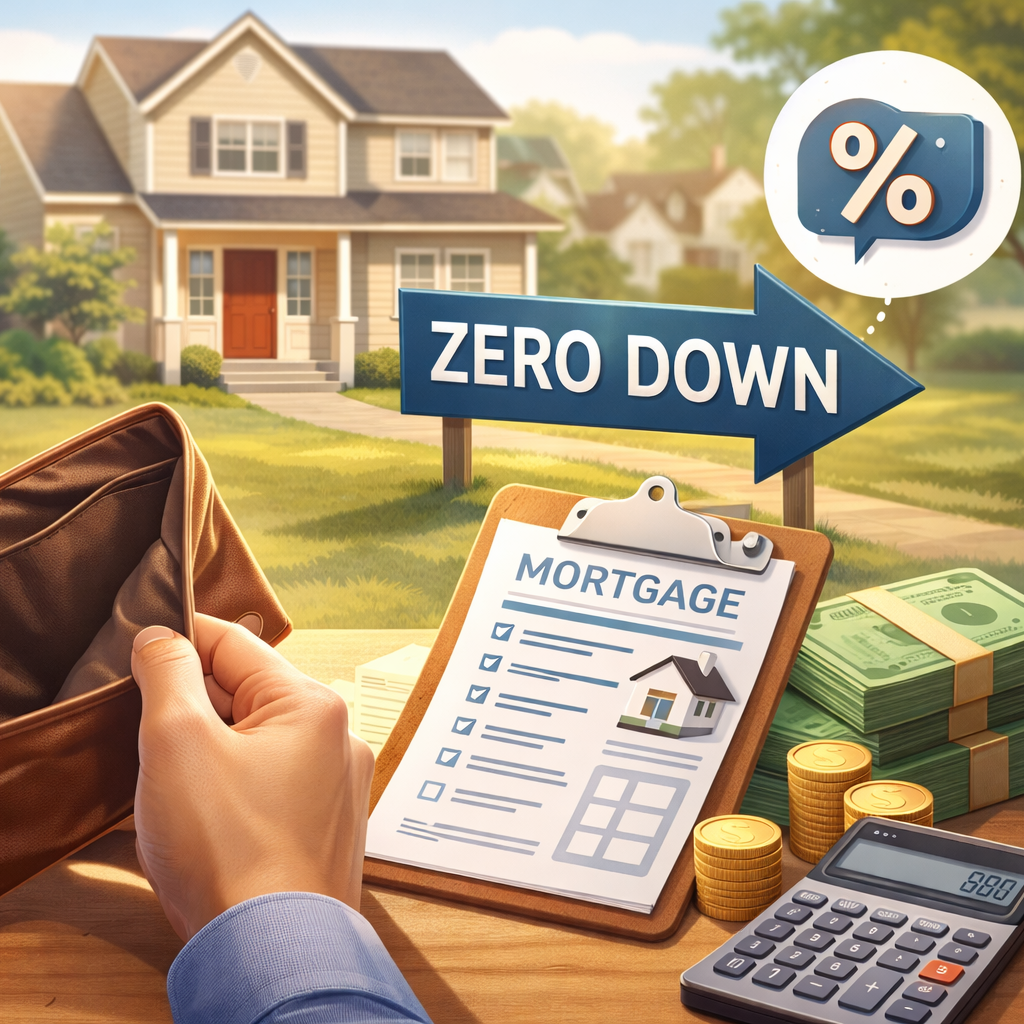
A zero down mortgage is a home loan that allows you to purchase a property without making the traditional upfront down payment. Instead, the loan covers 100% of the home’s purchase price, so you don’t need to bring cash for this portion at closing. These programs are intended to help qualified buyers who may not have significant savings but are otherwise ready for homeownership.
How zero down differs from low down
Zero down payment means you provide no money toward the purchase at closing, excluding other costs like closing fees. In contrast, low down payment loans might require 3% to 5% down—still less than the traditional 20%, but not entirely zero. The zero down option carries unique guidelines and is only available through certain programs.
Can You Really Buy With No Money Down?
Eligibility requirements
While zero down loans exist, they are not universally available to all buyers. Most require you to meet specific criteria around credit score, income, debt levels, and sometimes profession or military service. You still need to be financially stable and demonstrate the ability to manage monthly payments, property taxes, and other homeownership costs.
Types of buyers who qualify
Typically, zero down options are limited to:
- Qualified U.S. veterans, active-duty service members, and some National Guard or Reserve members
- Eligible rural homebuyers purchasing in designated areas
- Buyers who meet income or first-time homebuyer requirements through community programs
Lenders review your credit, employment, and financial background as part of the application process, just as with any mortgage.
Common Zero Down Mortgage Programs
Government-backed loan options
Two of the best-known zero down payment mortgage options are:
- VA Loans: Offered to veterans, active-duty military, and some surviving spouses. No down payment is required, though fees and service eligibility apply.
- USDA Loans: For buyers in certain rural and suburban areas, income and property location guidelines must be met. No down payment is needed, but these loans require a modest guarantee fee.
Community and local assistance programs
Some local housing agencies and nonprofits offer zero down assistance, especially for first-time or lower-income buyers. These programs may use grants, silent second mortgages (no payments until resale), or offer down payment assistance to supplement what buyers can provide. Availability depends on your community and your qualifications.
What Are the Pros and Cons?
Benefits of zero down payment
- Lower upfront barrier: You can purchase a home without waiting years to save for a large down payment.
- Faster path to homeownership: These programs can help you transition from renting to owning sooner if you’re otherwise qualified.
- Potential for building equity sooner: Instead of saving for a down payment, your monthly payments begin to build home equity right away.
Risks and drawbacks to consider
- Higher monthly payments: With no money down, your loan amount—and thus your payments—are higher than on a comparable home with a down payment.
- Greater risk in falling markets: If home values dip, you may owe more than your home is worth early in your loan.
- Ongoing mortgage insurance or funding fees: Some programs require ongoing fees or insurance, increasing your overall cost.
- Higher qualification standards: Zero down loans often have stricter credit or property requirements.
Steps to Secure a Zero Down Mortgage
Check your credit and financial readiness
Start by reviewing your credit report, debt-to-income ratio, and budgeting for future housing costs. Lenders want to see stability and responsible financial management.
Research eligible properties
Not all properties qualify for zero down programs. VA and USDA loans, in particular, have rules regarding property type and location. Work with a real estate professional knowledgeable about these criteria.
Gather required documentation
Prepare documents that show your income, employment, bank statements, tax returns, and any military or eligibility paperwork as needed. Having these ready speeds up the process.
Apply for the right zero down program
Once you’re organized, contact approved lenders or agencies offering the program that fits your situation. Complete your application, submit documents, and move toward pre-approval.
How Does the Zero Down Process Work?
Key stages from pre-approval to closing
The process for a zero down mortgage follows the same main steps as other home loans:
- Pre-approval: Submit your financial information and receive a letter stating what you may qualify to borrow.
- Home search: Find a property meeting the program’s criteria.
- Offer and contract: Make an offer and negotiate terms with the seller.
- Loan processing: The lender reviews your finances in detail and orders an appraisal and any required inspections.
- Underwriting: Final loan eligibility is reviewed and approved.
- Closing: Sign documents and finalize the purchase.
What to expect at each milestone
At each step, expect paperwork, verifications, and clear disclosures. Work closely with your lender and real estate agent, ask questions, and never hesitate to request explanations of any part of the process.
What Questions Should You Ask Lenders?
Critical questions before you commit
- Which zero down programs are you approved to offer?
- What are the total estimated monthly payments, including taxes, insurance, and fees?
- Are there upfront or ongoing funding fees I should be aware of?
- What happens if my financial situation changes during the process?
Understanding mortgage terms and costs
Ask your lender to explain:
- The loan’s interest rate and whether it’s fixed or adjustable
- Closing costs and prepaid expenses
- Any required mortgage insurance or guarantee fees, and how long they last
- Penalties or limitations on early repayment Being clear on these points helps you avoid surprises.
Alternatives to Zero Down Mortgages
Low down payment options
If you don’t qualify for zero down, consider programs with low down payments—some allow as little as 3% to 5% down. FHA, HomeReady, and Home Possible are well-known options with flexible requirements.
Gift funds and grants
You may be able to use gifts from family or grants from nonprofit organizations or your employer to help cover a required down payment or closing costs. Check the guidelines for your chosen loan.
Is a Zero Down Mortgage Right for You?
Evaluating your personal situation
Think about your long-term financial stability, local market conditions, and how long you plan to stay in the home. Lack of a down payment can make moving or refinancing more difficult in the first few years.
Long-term impacts to consider
A zero down mortgage means you start your homeownership journey with less equity. Consider how this fits your financial goals, risk tolerance, and ability to cover possible costs in the future.
Zero down mortgages can be a valuable tool for some buyers, but come with important tradeoffs. Take time to understand all your options, ask plenty of questions, and make an informed choice for your future.