
8 Steps on How to Buy a House in 6 Months: Timeline & Preapproval Tips
Key Takeaways
- Careful organization and mortgage preapproval are essential for staying on track with a six-month home-buying timeline.
- Anticipating documentation needs and potential obstacles can help you navigate the process confidently and efficiently.
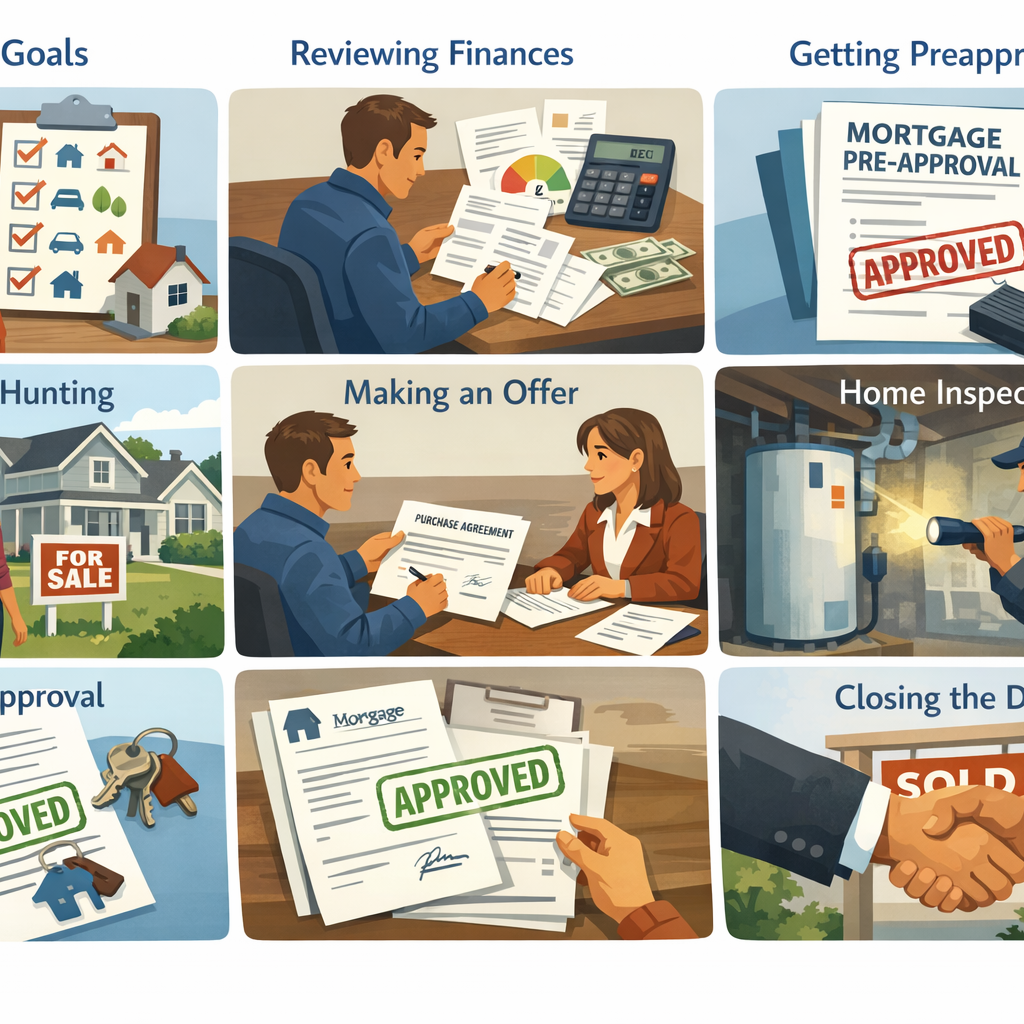
Thinking about buying a home within six months? With structured planning and a proactive approach, reaching that goal is realistic for many buyers. Here’s a detailed eight-step guide to keep you on track—from early planning to getting the keys in your hand.
Can You Buy a House in 6 Months?
Common timelines for home purchases
Many home buyers wonder if six months is enough time to purchase a home. Generally, the home buying process—from initial planning to move-in—can take anywhere from a few weeks to several months. Six months provides a practical window to find, finance, and close on a house with reasonable flexibility for common steps and potential delays.
What factors influence the six-month window?
A few key elements impact your ability to buy within six months: the local housing market, your financial readiness, and how quickly documents can be collected and decisions made. Fast-moving markets or limited inventory may present extra challenges. However, solid preparation helps you maintain momentum every step of the way.
What You’ll Need to Get Started
Essential documents and records
To begin your house-hunting journey smoothly, gather essential documents early. Expect to provide recent pay stubs, tax returns, identification, bank statements, and records of any outstanding debts. These items are crucial for mortgage preapproval and later financing steps.
Setting a budget and priorities
It’s important to set a realistic budget based on your income, debt, and projected expenses. Consider how much you’re comfortable spending monthly and factor in one-time items such as down payments and closing costs. Defining your priorities—like location, home features, and must-haves—will help narrow your search later on.
Step 1: Understand Your Homebuying Goals
Assessing needs versus wants
Start by outlining what you need in a home versus what you would like. Needs might include the number of bedrooms, commute convenience, or school proximity. Wants could be specific features, finishes, or other amenities. Making this list now will shape your search and negotiations.
Establishing location and property type
Decide which neighborhoods or communities suit your lifestyle, as well as the type of property you’re most interested in—single-family, condo, townhouse, or another option. Balancing your budget with location and property type sets the groundwork for productive searching.
Step 2: Review Your Finances and Credit
Checking your credit health
Review your credit report for errors or outdated information. A higher credit score can help you access more favorable mortgage options. Address any concerns—like late payments—before applying for preapproval to present yourself as a well-qualified buyer.
Understanding down payments and costs
Determine the amount you can allocate for your down payment—commonly ranging from 3% to 20% of the home’s price. Don’t forget other costs, such as closing fees, inspections, moving, and setting up your new home. Planning for these expenses up front will prevent unwanted surprises.
Step 3: Get Preapproved for a Mortgage
Why preapproval matters
Mortgage preapproval demonstrates that a lender finds you creditworthy for a specific loan amount. Having preapproval shows sellers you’re a serious buyer, helps you focus your search, and may give your offer a competitive advantage in a busy market.
Documents needed for preapproval
To get preapproved, you’ll typically provide proof of income, tax returns, identification, and detailed financial information. Check with your lender for a precise list and submit complete, accurate data for the fastest turnaround.
Step 4: Start Your Home Search
Choosing where to look
Use your established priorities and budget to select neighborhoods and areas to explore. Online listings, local real estate agents, and open houses can help you get a sense of what’s available and what matches your needs.
Evaluating open houses and listings
Attend open houses or schedule tours to assess properties in person. Take notes on layout, condition, and surrounding amenities. Compare homes with your “needs versus wants” list to keep your priorities in focus.
Step 5: Make an Offer and Negotiate
Crafting a strong offer
When you find a home that fits, work with your agent to draft a well-reasoned offer that reflects current market values, your budget, and any necessary contingencies (like inspection or appraisal). Be prepared to act efficiently, as appealing homes can move quickly.
How negotiations usually unfold
Many offers involve some level of back-and-forth. Be responsive to counteroffers, keep your maximum price in mind, and discuss strategy with your agent. Effective communication helps keep the deal moving within your timeline.
Step 6: Schedule Inspections and Appraisal
The role of inspections
Professional inspections reveal any problems that might require repairs or impact your decision. Use inspection results to negotiate repairs or adjustments to the purchase offer if appropriate.
Understanding the appraisal process
Lenders usually require an independent appraisal to confirm the home’s value. This protects both you and the lender, ensuring the property supports the agreed-upon price. If the appraisal comes in lower than expected, be ready to discuss next steps with your agent and lender.
Step 7: Secure Your Financing
Finalizing your mortgage application
After your offer is accepted, complete the full mortgage application process. Promptly respond to your lender’s requests for documents, signatures, or clarification to avoid unnecessary delays.
Documents the lender may request
Expect requests for updated pay stubs, bank statements, verification of assets, and information on any recent financial changes. Staying organized with your paperwork can greatly smooth this step.
Step 8: Close and Move Into Your New Home
What to expect at closing
Closing is when you sign final paperwork, transfer funds, and receive the keys to your new home. The process often takes a couple of hours. Review all documents carefully and ask questions if anything is unclear before you sign.
Tips for a smooth move
Plan your move date in advance, set up utilities for the new home, and coordinate with movers if needed. Making a checklist ensures important details aren’t overlooked as you transition to your new place.
What Challenges Could Slow the Timeline?
Financing and documentation issues
Delays can stem from missing paperwork, changes in credit or employment, or funding challenges. Stay in regular contact with your lender and have documentation ready to move things along efficiently.
Market factors and availability
Competitive markets, low inventory, or homes in high demand may increase your timeline. Being adaptable and maintaining open communication with your agent can help you work through these situations.