Key Takeaways
- Buying a foreclosure offers unique opportunities, but requires careful research and clear understanding of risks.
- Thorough due diligence and realistic expectations are vital for a successful foreclosure purchase experience.
Thinking about buying a foreclosure? You aren’t alone—foreclosed homes often draw attention for their perceived value. Yet, moving down this path means navigating myths, assessing real risks, and making informed choices. Here’s what you need to know to make confident, smart decisions if you’re considering a foreclosure purchase.
What Is a Foreclosure Property?
Definition and basic process
A foreclosure property is a home that has been reclaimed by a lender after the previous owner was unable to keep up with mortgage payments. Foreclosure is a legal process where ownership moves from the borrower back to the lender due to missed payments. These homes then become available for sale, often through public auctions or regular real estate listings.
How a home enters foreclosure
Typically, foreclosure begins when homeowners fall behind on their mortgage payments. After a set period and formal notices, lenders may start foreclosure proceedings. If the debt isn’t paid, the property eventually becomes part of the lender’s real estate-owned (REO) inventory or is sold at auction.
Why Consider Buying a Foreclosure?
Potential advantages
Foreclosure properties may be priced less than comparable homes in the same area, making them attractive to value-conscious buyers or those looking for renovation opportunities. Sometimes, less competition can allow for more negotiation on price or terms.
Common motivations of buyers
People buy foreclosures for different reasons. Some hope to secure a home at a lower price than typical market rates. Others look for investment opportunities—like renovations or rental income. You might also be drawn by the challenge and potential reward of turning around a neglected property.
What Are the Common Foreclosure Myths?
Myth: Foreclosures are always a bargain
While some foreclosed homes sell below market value, not all foreclosures are cheap. Repair needs, hidden costs, and bidding competition can quickly narrow the savings. Price should always be weighed alongside property condition and total ownership costs.
Myth: The process is quick and easy
Many people assume buying a foreclosure is straightforward. In reality, transactions can be complex, drawn out, and involve extra paperwork, uncertainty, and deadlines. Some homes have title or legal issues that add time to the process.
Myth: Only investors buy foreclosures
Foreclosures aren’t just for seasoned investors. Many first-time buyers and families explore foreclosure opportunities when house hunting. What matters most is that you approach these purchases with thorough research, guidance, and patience.
What Risks Should Buyers Know?
Property condition uncertainties
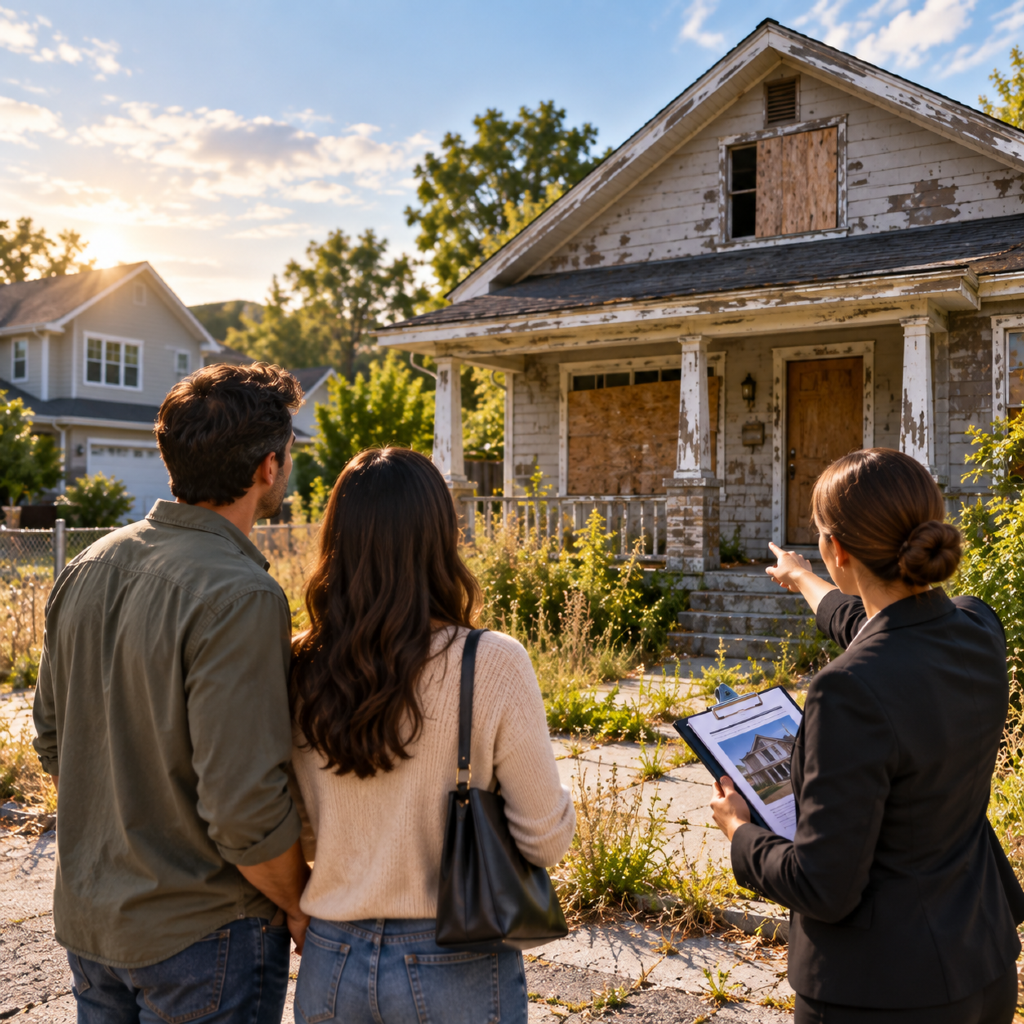
Foreclosed properties are usually sold “as is”—meaning you accept the home’s current condition without guarantees. Homes may have been vacant or neglected, leading to undiscovered maintenance needs, outdated systems, or damage from weather or vandalism.
Limited inspection opportunities
Unlike traditional home sales, opportunities for inspection can be limited. In some cases, you may only be able to view the property briefly, or not at all, before the sale. This makes it challenging to spot costly repairs or code violations in advance.
Financing and purchase challenges
Financing a foreclosure can be different from purchasing an owner-occupied home. Some lenders have stricter requirements or may not finance properties in poor condition. Cash purchases may be expected, especially at auctions, and closing can take longer due to title checks and approvals.
How Does the Buying Process Work?
Steps to find foreclosure listings
To locate foreclosed homes, you can check public records, online listings, bank REO departments, or government agencies managing foreclosures. Many real estate websites offer filters specifically for foreclosed properties.
Making an offer on a foreclosure
When submitting an offer, you’ll usually work with a representative (such as a real estate agent or bank officer) and submit required paperwork. Expect less flexibility in negotiating terms with banks—offers may need to be competitive, and decisions can take several days or weeks. At auction, you may have to act quickly and meet payment conditions right away.
Do Foreclosure Purchases Differ From Regular Sales?
Typical timeline changes
Transactions involving foreclosed properties can move slower—or, in auction cases, much faster—than traditional sales. Delays often relate to property condition, paperwork, or title clearance. Be prepared for uncertainty and possible waiting periods.
Negotiation differences
Lenders or banks selling foreclosures may be less willing to negotiate on price or repairs. Many sales occur strictly “as is,” and concessions are rare. Traditional sellers may have more motivation to work with buyers on price or repairs.
Post-sale responsibilities
Once the sale closes, you are responsible for all repairs, liens, and ongoing costs. Unlike other transactions, banks rarely make any improvements before sale, so thorough budgeting for repairs and maintenance is essential.
Which Mistakes Do Buyers Commonly Make?
Overlooking due diligence
Skipping research on property title, unpaid taxes, or neighborhood trends can lead to expensive surprises. Always investigate these factors thoroughly to avoid major issues after purchase.
Underestimating repair costs
Foreclosed properties often need investment in repairs or updates. If you don’t budget for these expenses, you may face financial stress or delays in making the home livable. Get realistic estimates and set aside a contingency fund if you proceed.
What Should You Know Before Starting?
Essential questions to ask
Before beginning your search, ask yourself important questions: Can you handle renovation projects? Do you have extra funds for repairs? Are you comfortable with the risks and unpredictability involved?
Evaluating your readiness
Buying a foreclosure isn’t for everyone. Assess your financial position, access to professional advice, willingness to manage repairs, and patience with the process. Preparation and clear expectations are key to success.