Key Takeaways
- New construction homes offer unique benefits, but require careful research and attention to detail.
- Understanding myths, facts, and the full buying process helps you avoid surprises and make informed decisions.
Are you considering a new construction home for your next move? It’s an option that comes with both excitement and complexity. By breaking down the process, myths, and facts, you can navigate your new build journey with confidence and clarity.
What Are New Construction Homes?
Defining New Construction
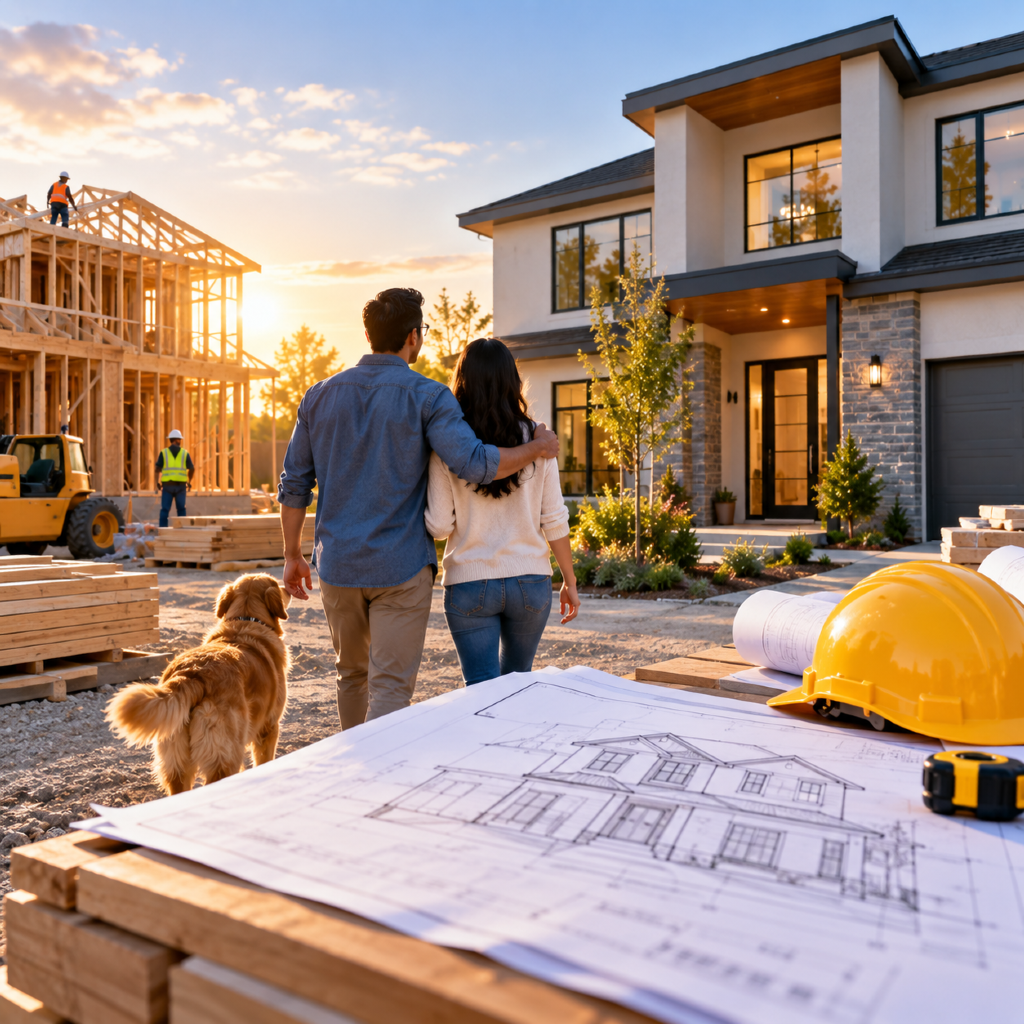
New construction homes are properties built from the ground up with no prior ownership or occupancy. This typically means you will be the first person to live in the space, benefiting from modern materials, energy efficiency, and up-to-date design codes. These homes are developed by builders or developers, and construction may be completed before or after you consider the purchase.
Types of New Build Properties
You’ll find several types of new build properties:
- Spec homes: Built on speculation; construction is often complete or nearly finished before a buyer is found, meaning limited customization opportunities.
- Tract homes (production homes): Built within a larger development, offering set floorplans and finishes, but sometimes you can select specific upgrades or options.
- Custom homes: Designed and built according to your specifications, often on a lot you’ve chosen. This option allows the most input but typically involves a longer timeline and higher costs.
Why Consider a Newly Built Home?
Potential Benefits
Newly built homes can provide several appealing advantages:
- Modern design and features: Layouts often reflect current living preferences and include up-to-date technology.
- Energy efficiency: Newer construction methods and systems usually mean lower utility costs and improved environmental standards.
- Lower maintenance: All major systems and appliances are brand new, reducing the likelihood of unexpected repairs in the early years.
- Builder warranties: Many builders offer coverage for certain defects or issues during the initial ownership period.
Common Motivations
People consider new construction for many reasons, including:
- Wanting a move-in ready home
- Preferring new appliances and finishes
- Desiring the peace of mind that comes with builder warranties
- Seeking the ability to personalize certain aspects of their home, such as flooring or cabinets (especially in custom or semi-custom builds)
What Myths Surround New Construction?
Myth: All New Homes Are Perfect
While new homes may look flawless, it’s important to know that minor construction issues can still occur. Even new builds might have defects or “punch list” items to address before move-in.
Myth: Upgrades Are Always Standard
It’s a common belief that all display features or model home upgrades come standard. In reality, many showcased features are optional, and adding upgrades can significantly increase the total price.
Myth: New Homes Don’t Need Inspections
Some buyers assume new constructions are flawless and skip third-party inspections. However, independent inspections are crucial to spot overlooked defects and confirm proper workmanship.
What Are the Key Facts?
Understanding Builder Warranties
Builder warranties generally cover structural defects and certain major systems for a set period. The exact coverage and duration can vary—so you should review what is and isn’t included before finalizing your purchase.
The Role of Inspectors
Independent inspectors examine the property at different stages of construction, or just before closing, to ensure everything meets code and builder promises. You’re responsible for ordering these inspections—an important step to protect your investment.
Construction Timelines and Delays
Building a new home doesn’t guarantee a fixed move-in date. Delays from weather, supply chain issues, or labor shortages can impact timelines. It’s wise to plan for some flexibility around your expected completion date.
How Does Financing Differ for New Builds?
Typical Loan Options
Financing for new construction homes often includes traditional mortgage loans, but also construction-to-permanent loans for fully custom projects. Standard purchase loans (like conventional, FHA, or VA, if eligible for the property) are common for spec and tract homes.
Builder Lender vs. Outside Lender
Some builders may suggest partnering with their preferred lender—sometimes offering closing incentives if you do so. However, comparing terms from multiple lenders is always advisable so you can understand all available options and select what’s right for you.
Potential Additional Costs
New construction often comes with additional expenses, such as:
- Upgrades or customization fees
- Lot premiums (if you select a desirable lot)
- Homeowners association (HOA) fees, if applicable in the community
- Potential higher closing costs
You should factor these costs into your overall budget.
Which Questions Should Buyers Ask?
Contract Terms to Review
Before signing, review all contract terms carefully. Important points include payment schedules, contingencies, upgrade details, and what happens if the project is delayed.
Warranty and Maintenance Questions
Ask what the builder warranty covers, how claims are handled, and what maintenance is expected during your first year as an owner.
Community Development Plans
Find out what’s planned for both your specific development and the larger community area—will amenities be built? Are further construction phases expected that might affect noise or traffic?
What Risks Should You Know?
Market Volatility and Price Changes
Home values and housing market conditions can shift during your build period. It’s possible for prices to rise or fall before you close, sometimes impacting loan eligibility or resale value.
Builder Reputation Factors
Research your builder’s track record: Look for reviews, ask about previous projects, and verify licensing, insurance, and customer service practices. An experienced, reputable builder can make a significant difference in the final outcome.
Final Walkthrough Considerations
Before moving in, you’ll complete a final walkthrough to identify punch list items (anything unfinished or not up to standard). Document these issues and confirm, in writing, how and when each will be addressed.