
Key Takeaways
- Buying a home for under $200,000 is possible, but depends on market, location, and informed planning.
- Understanding the facts and myths about affordable homes can help you navigate financing and avoid common pitfalls.
Are you wondering if you can really buy a house for under $200,000? Many potential buyers feel overwhelmed by headlines and hearsay, but there are real opportunities—and essential cautions—to know before starting your search. Here, you’ll find clear, unbiased guidance tailored for first-time and experienced buyers alike.
Can You Really Buy for Under 200k?
Availability of Homes in This Price Range
Affordable homes under $200,000 do exist in many markets across the country. Inventory will vary widely by state, city, and even neighborhood. In some regions, especially outside major metro areas, you may find both single-family homes and condos within this price bracket. While options can sometimes be limited, diligent searching and flexibility can reveal viable choices.
Location and Market Factors
Pricing trends are very local. Urban areas with high demand often see higher starting prices, whereas smaller cities, rural communities, or up-and-coming neighborhoods are more likely to have homes listed under $200k. It’s important to research the markets you’re interested in and watch for fluctuations in the number of affordable listings. Economic changes, local development, and seasonality all influence what you’ll find.
Affordability Versus Expectations
It’s important to balance your expectations. A home under $200,000 might look different from higher-priced properties—perhaps fewer amenities, smaller size, or an older structure. However, these homes can still offer comfort and stability. Stay open-minded about what features are essential for you, and consider that affordability often comes with some trade-offs in location or home condition.
Common Myths About Low-Cost Homes
Are All Cheaper Homes Fixer-Uppers?
Not every affordable home is a major renovation project. While some properties under $200,000 may need cosmetic updates or modest repairs, you can find move-in ready options, especially if you expand your search area or consider condos and townhomes. Home inspections are your best tool for understanding the true condition of any property.
Do Only Cash Buyers Qualify?
A common misconception is that only cash buyers can purchase lower-priced homes. In reality, many buyers use traditional or government-backed financing. While cash offers can be attractive to sellers, numerous financing options exist for qualified buyers, regardless of purchase price.
Is Financing Difficult for These Properties?
Some believe lenders are unwilling to finance homes under a certain amount, but the real issue is often the property condition or the lender’s minimum loan amount requirements. Lenders typically evaluate the borrower and the property. If the home is habitable and meets lending guidelines, mortgage financing is often possible.
Facts About the Home-Buying Process
Standard Steps to Buy a Home
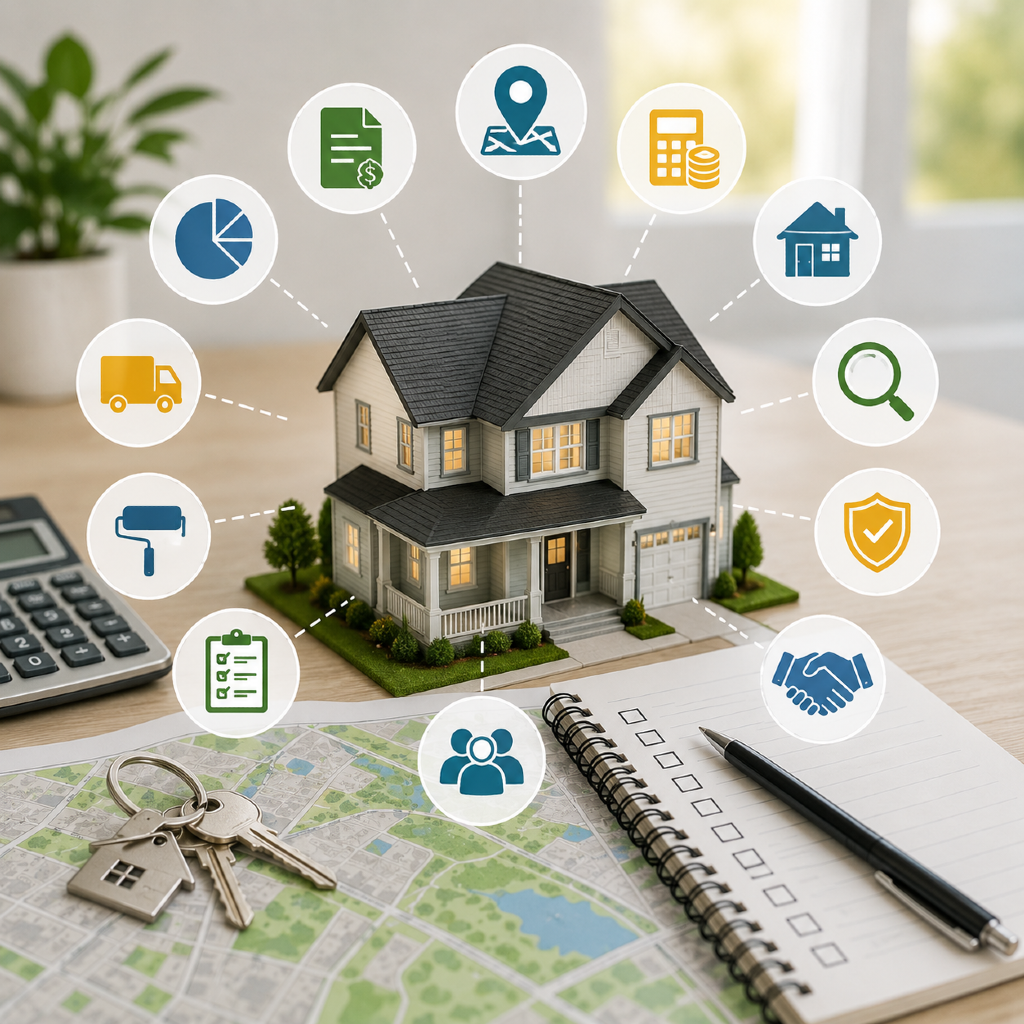
The steps to buy a home under $200,000 are much the same as any other transaction. You’ll start with getting pre-approved for a mortgage, searching for homes within your budget, making an offer, performing inspections, and moving forward to closing. Each step helps protect your interests and ensure a sound investment.
Down Payments and Closing Costs
Affordability is more than just price. You’ll need funds for a down payment—which can range from 3% to 20% or more—and closing costs, which typically amount to 2% to 5% of the purchase price. Some buyers use savings, while others may qualify for assistance programs. Budget for these expenses early in your search.
Working with Real Estate Professionals
Even in the lower price range, working with a knowledgeable real estate agent can streamline your home search. Agents help you understand local market trends, negotiate offers, and handle required paperwork. Always clarify roles, agreements, and compensation before working with any professional.
What Financing Options Exist?
Types of Mortgage Loans
Several mortgage loan types are available for homes under $200,000. Conventional loans, FHA loans, VA loans (for eligible military), and USDA loans (for certain rural areas) are all potential options. Each comes with different qualification criteria, down payment requirements, and guidelines regarding property type and condition.
Credit and Income Considerations
Lenders will review your credit score, income, and debt-to-income ratio before granting approval. A higher credit score may help you qualify for better terms, but options exist for a range of credit profiles. Being transparent about your finances and addressing any credit issues early will help the process.
Assistance Programs Explained
Many communities and nonprofit organizations offer down payment assistance, closing cost grants, or special loan programs for qualifying buyers. These can make a significant difference, particularly for first-time buyers or those with limited savings. Always research local offerings and eligibility requirements.
Risks and Benefits of Buying Cheap Homes
Potential Advantages for Buyers
A home under $200,000 can mean a lower mortgage payment, reduced property taxes, and increased opportunities to build equity. It may also let you become a homeowner sooner rather than waiting to save for a larger property. These homes can be ideal for those prioritizing budget and financial flexibility.
Possible Drawbacks and Market Risks
There are trade-offs to consider. Lower-priced properties may be older, in less-desirable locations, or have higher ongoing maintenance costs. Market conditions can impact value and resale potential. Carefully evaluate each property, and understand that real estate markets can shift over time.
Long-Term Value Considerations
While a lower purchase price can offer value, potential appreciation will depend on upkeep, local market trends, and broader economic forces. An affordable home bought in a stable or growing community may see strong value growth. However, it’s important not to rely solely on future appreciation when making your decision.
How to Start Your Home Search
Setting a Realistic Budget
Start by reviewing your monthly income, credit status, and overall debts to set a clear budget. Use online calculators or consult financial experts to estimate what you can comfortably afford for payments, taxes, insurance, and utilities. Be realistic about hidden and ongoing costs.
Finding Listings Under 200k
Search online listing platforms, work with agents, and monitor local publications for homes within your target price range. Set up alerts so you’re notified when suitable properties become available. Sometimes, expanding your geographic area or adjusting your must-have features can open up more possibilities.
Tips for Touring and Evaluating Homes
When viewing homes, look beyond the surface. Pay attention to structural condition, age of major systems (roof, HVAC, plumbing), and neighborhood features. Consider getting a professional inspection before submitting an offer. Take notes and compare several properties to find the best fit for your needs and budget.