Key Takeaways
- Home buying success relies on careful planning, understanding costs, and asking the right questions.
- Evaluating your needs, finances, and the local market will help you make confident, informed decisions.
Buying a home is one of the most significant financial decisions you’ll ever make. Whether you’re a first-time or experienced buyer, clear planning and asking the right questions early on can help you avoid surprises and make the process smoother and more successful.
Why Home Buying Requires Careful Planning
Common misconceptions about home buying
Many people enter the home-buying process expecting it to be simple—find a house, get a loan, and move in. In reality, the process involves multiple steps, from budgeting to inspections, with several decision points along the way. It’s easy to underestimate timeframes, costs, and the complexity of negotiations.
Recognizing the home as an investment
When you buy a house, you’re not just purchasing a place to live—you’re making a major investment. The value of your home can fluctuate with market trends. Viewing your property as a long-term asset will help you make sensible choices about location, features, and price.
What Is Your Budget and Affordability?
Setting a realistic home-buying limit
The first step is determining how much you can comfortably spend. Calculate your monthly income, regular expenses, and any outstanding debts. Remember to account for lifestyle needs, so your new home does not stretch your finances too thin.
Assessing mortgage affordability basics
Before shopping for homes, use mortgage calculators to estimate what monthly payments might look like for different loan amounts. Lenders will evaluate your debt-to-income ratio, credit score, and employment stability to decide what you can borrow. Always give yourself a buffer—unexpected repairs or market changes can impact your budget.
Which Mortgage Options Fit Your Needs?
Understanding common mortgage types
Mortgages come in many forms, with varying rates, terms, and requirements. Fixed-rate loans provide steady payments, while adjustable-rate options may start lower but can change over time. Some programs are tailored to first-time buyers or specific income levels. Investigate the pros and cons of each type before choosing.
Key questions to ask about financing
What is the interest rate? How much are the closing costs? Are there penalties for early repayment? What down payment is required? Make a list of questions and get clear explanations so you can compare offers with confidence.
What’s Your Credit Profile?
How credit impacts your options
Your credit history plays a significant role in which mortgages you’ll qualify for and what interest rates you’re offered. Higher scores generally open up better loan terms, while low scores may restrict your options or result in higher payments.
Improving credit before applying
If you have time before buying, review your credit report for errors and look for ways to pay down debts. Avoid taking out new loans or large credit lines as you prepare. Small improvements in your credit score can translate into meaningful savings over the life of your loan.
Which Location Best Matches Your Lifestyle?
Comparing neighborhoods and amenities
Consider what matters most to you, such as access to parks, dining, and shopping, or a quiet suburban environment. Compare different communities to see which fits your daily routines and lifestyle preferences.
Factoring commute and schools
Even if you don’t have school-aged children, proximity to quality schools often affects home values. Commute times to work and access to public transportation are also key factors; map out drives during peak hours to gauge convenience.
What Home Features Matter Most to You?
Prioritizing must-have vs. nice-to-have
Make a list of non-negotiable features, such as the number of bedrooms or accessibility needs, alongside features that would be nice but are not essential. Focusing on your priorities will keep your search focused and efficient.
Understanding how features affect price
Certain amenities, like renovated kitchens, large backyards, or bonus spaces, can significantly increase a home’s price. Know where you’re willing to compromise and where you’re not, keeping overall value and long-term satisfaction in mind.
How Can You Evaluate Property Condition?
Home inspection basics
A professional home inspection is crucial. Inspectors examine the roof, foundation, plumbing, electrical systems, and more to uncover potential issues. Inspections help you make informed decisions and avoid expensive surprises.
Signs to look for during walkthroughs
During home tours, look for signs of water damage, foundation cracks, uneven floors, or aging mechanical systems. Take note of odors or uneven temperatures—these can hint at underlying problems. Don’t be afraid to ask questions or request repairs.
What Are the Total Upfront and Ongoing Costs?
Overview of down payment and closing costs
Beyond the price tag, you’ll typically need to bring a down payment (often 3–20% of the purchase price) and cover closing costs, which may include appraisal fees, title insurance, and taxes. Your mortgage provider should outline specifics based on your loan.
Recurring ownership expenses
Owning a home means ongoing costs like property taxes, homeowner’s insurance, utilities, and routine maintenance. Set a realistic monthly budget and acknowledge seasonal or unexpected repairs that could arise over time.
How Competitive Is the Local Market?
Identifying buyer vs. seller’s markets
In some markets, you’ll find more listings than buyers, leading to better negotiating opportunities (buyer’s market). In others, homes sell quickly and for higher prices (seller’s market). Understanding the local dynamic can shape your buying strategy.
Factors impacting home prices
Supply, demand, local economic trends, and interest rates all affect home values. Staying informed will help you decide when and where to buy.
Should You Work With a Real Estate Agent?
Roles of agents and what to expect
A real estate agent guides you through each step: narrowing your search, submitting offers, negotiating, and handling paperwork. Agents also bring knowledge of local markets and process complexities.
Questions to ask potential agents
Ask about their experience, familiarity with your desired areas, and how they communicate during the process. Understand their fees and representation obligations before you agree to work together.
What Are Common Homebuyer Mistakes?
Overlooking hidden costs
Beyond listing price, homebuying involves closing costs, potential repairs, property taxes, and more. Failing to account for these can strain your budget or lead to financial surprises after moving in.
Underestimating the time involved
Purchasing a home can take several weeks or even months, especially in competitive markets. Prepare for each phase to take time—from loan approval to offer negotiations and closing paperwork.
What Questions Should You Ask Before Buying?
Key inquiries for sellers and agents
Ask about the home’s repair history, how long it’s been on the market, and why the sellers are moving. Request disclosures about past issues or remodels. Get clarity on included fixtures, appliance ages, and any neighborhood association rules.
How questions shape your decision
The questions you ask help you uncover concerns and weigh your priorities. Thorough questioning puts you in a stronger negotiating position and reduces the risk of regrets after your purchase.
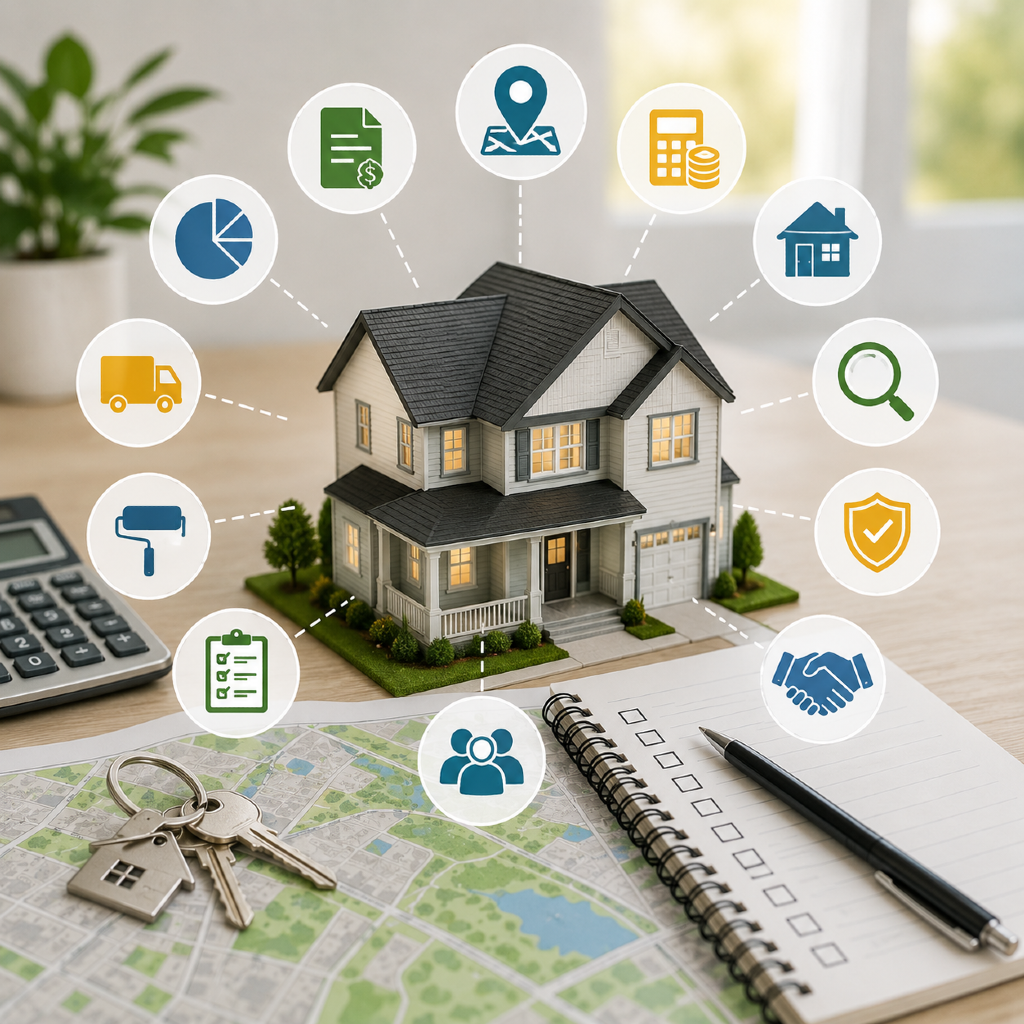
By considering these 12 steps and asking thoughtful questions at every stage, you’ll be empowered to make informed decisions and confidently move toward homeownership.