
Key Takeaways
- Your homeowners insurance quote can change before closing when property details, coverage needs, or application information are reviewed.
- You can reduce surprises by checking quote assumptions, comparing matching coverage, and confirming insurance details with your lender.
Understanding Your Homeowners Insurance Costs Before Closing
When you buy a home, you need a clear picture of what ownership will cost. Homeowners insurance belongs in that budget. Yet the quote you first receive may differ from the premium shown when your coverage is arranged.
That change can be confusing, especially if you have already used the estimate to plan your purchase. An early quote may rely on details that still need review. As those details become clearer, the price or coverage terms may change.
Knowing what drives these changes helps you ask better questions and prepare for closing with more confidence.
Why Can Your Homeowners Insurance Quote Change?
A quote reflects the information used to prepare it. If that information is incomplete or incorrect, the estimate may need to be updated.
You may provide details from a property listing or seller disclosure. A later review can reveal differences in the home’s construction, condition, or use. Your coverage choices may also change as you learn more about the property.
Ask whether your quote still depends on checks or documents. You should understand what has been confirmed and what remains open before treating the estimate as part of your settled budget.
Property Details Can Affect Your Insurance Estimate
Your future home’s features help shape its insurance costs. A correction to those features can affect both the coverage needed and the price.
Details worth checking include:
- The home’s size and construction materials.
- The roof’s condition and type.
- Updates to plumbing, wiring, and heating.
- Attached and detached structures.
- How you intend to occupy and use the property.
Accurate details matter even when the correction seems minor. Avoid guessing when you cannot verify an answer. Instead, ask what records or documents can help confirm it.
How Can A Property Review Affect Your Quote?
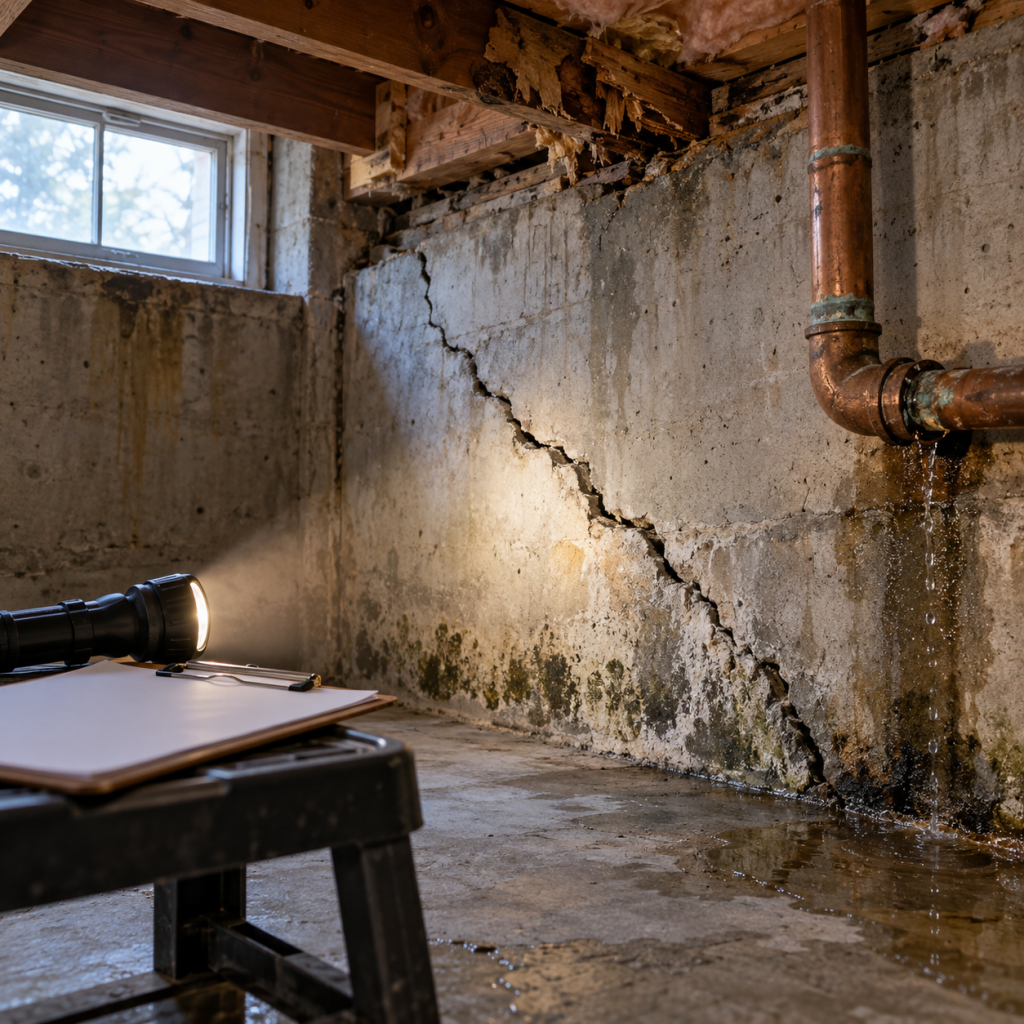
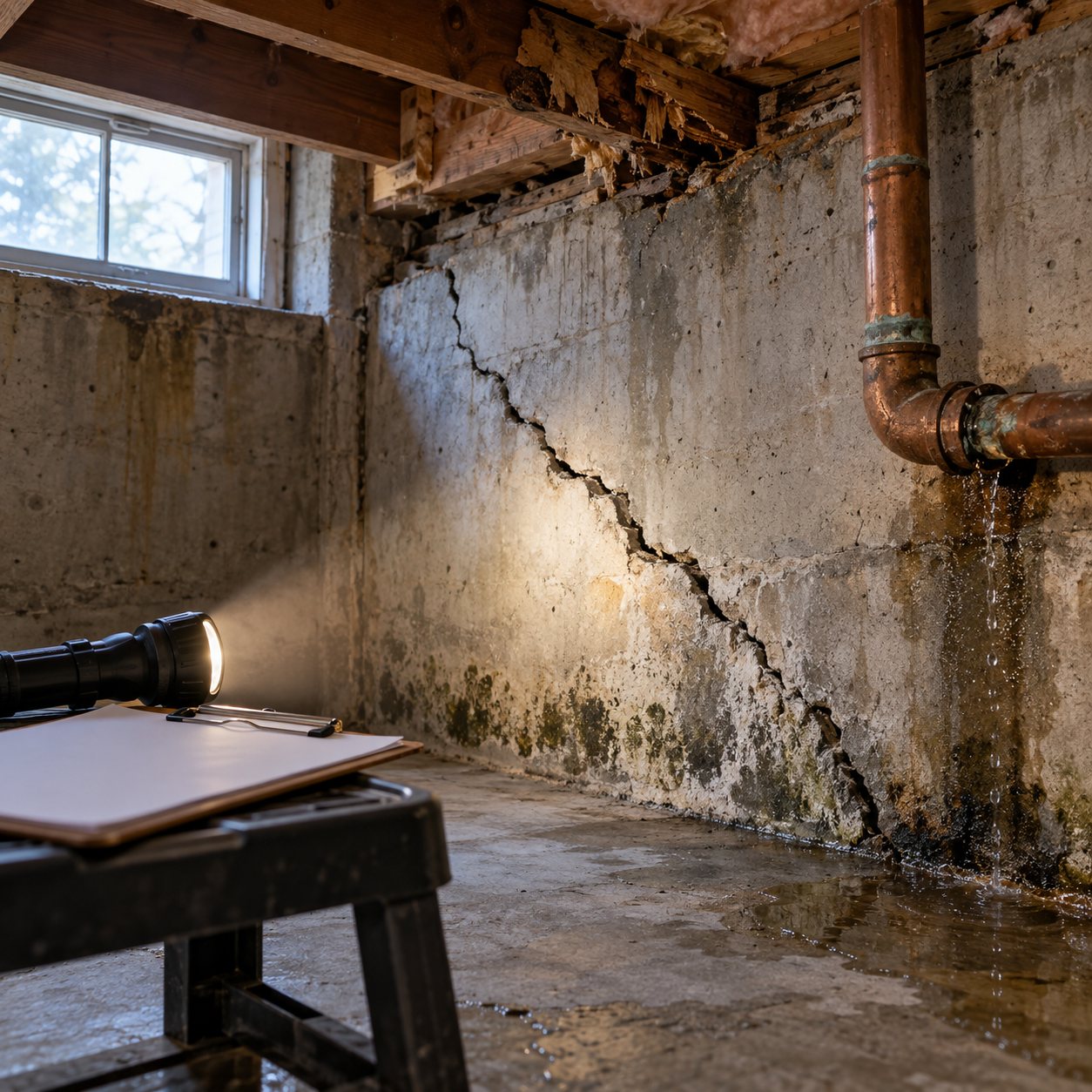
An insurance review may identify conditions that were missing from your application. These could affect the terms offered, require further information, or raise questions about whether the home qualifies for coverage.
Your purchase inspection and an insurance review serve different purposes. Do not assume that completing one resolves every issue raised by the other.
If a review changes your quote, ask for a clear explanation. Find out whether the change comes from a corrected property detail, a coverage adjustment, or a condition that needs attention.
Replacement Cost Can Change Your Coverage Needs
The price you agree to pay for a home does not tell you what it would cost to rebuild it. Your purchase price reflects the property and its market appeal. A rebuilding estimate focuses on the structure, materials, and work needed to restore it.
As property details are checked, the estimated replacement cost may change. That can lead to a revised dwelling coverage limit and a different premium.
You should understand how the estimate was prepared before accepting it.
What Should You Check In A Rebuilding Estimate?
Review the details behind the estimate, rather than looking only at the coverage total.
Check that the description matches the home’s size, finishes, layout, and construction. Ask whether attached features are included and how detached structures are treated.
If the estimate changes, request an explanation of the revised assumptions. Avoid lowering your dwelling coverage simply to return to an earlier quote. First, understand whether the proposed limit fits the home you are buying.
Coverage Choices Can Shift Homeowners Insurance Costs
Your quote may change because the protection you select changes. A basic estimate may not include every feature you want or every requirement attached to your mortgage.
Review these parts together:
- Dwelling and personal property coverage.
- Personal liability protection.
- Deductibles.
- Added coverage for risks you want addressed.
- Exclusions and limits on certain losses.
The premium is only one part of the decision. You also need to understand what you would pay yourself and what protection the policy provides.
Are You Comparing The Same Coverage?
Two quotes can look similar while offering different terms. A lower premium may come with a larger deductible, a narrower coverage limit, or a different way of settling a covered loss.
Compare matching coverage wherever possible. Read the details for the home, belongings, and roof. Ask how each deductible works and whether separate deductibles apply to certain events.
When a revised quote arrives, compare it with the earlier version. This helps you see whether the price changed, the protection changed, or both.
Application Checks And Mortgage Details Matter
Your application may need review before coverage is confirmed. Property records, relevant claims information, and eligibility checks can lead to questions or corrections.
Discounts can also depend on details that need proof. An estimate may include a discount that changes if the required conditions are not met.
Your lender may have its own coverage and documentation requirements. Meeting those requirements can mean adjusting the quote you first received.
What Should You Confirm With Your Lender?
Ask your lender what insurance documents it needs and what coverage terms it will accept. Share revised insurance details so its records reflect the coverage you plan to arrange.
Also ask how insurance payments will be handled at closing and through any escrow account.
Keep the premium separate from other insurance-related amounts shown in your closing paperwork. A change in the amount collected does not always mean the premium itself changed. Request clarification when the figures do not match your understanding.
Moving Toward Closing With Greater Confidence
You cannot prevent every change in homeowners insurance costs, but you can make changes easier to understand. Keep your property details accurate, review coverage carefully, and request written confirmation of updated terms.
Before closing, confirm that the insurance documents match your agreed coverage and mortgage details. Resolve any open questions about conditions, deductibles, and payment arrangements.
Sign up on this website for more homebuying guidance and practical help as you prepare for homeownership.