
Key Takeaways
- Virtual home buying can offer remarkable convenience and efficiency, but it also requires careful planning and attention to detail.
- Understanding the digital process and following best practices can help you avoid common pitfalls and make informed decisions.
The way you buy a home has changed dramatically in recent years. Digital real estate transactions are now a reality, giving you new options for touring properties, handling paperwork, and closing—often without ever setting foot inside the house beforehand. Before you decide if this path is right for you, it’s important to understand what’s involved, where the benefits lie, and what to watch out for along the way.
What Is the Virtual Home Buying Process?
How Online Home Buying Works
Virtual home buying uses a combination of digital tools, online platforms, and remote communication to guide you through each step of purchasing a property. Rather than visiting every home in person, you can browse listings, view virtual tours, sign documents, and even close on a property—all from your computer or mobile device. This process relies on video tours, electronic signatures, and various secure communication channels to keep your transaction on track.
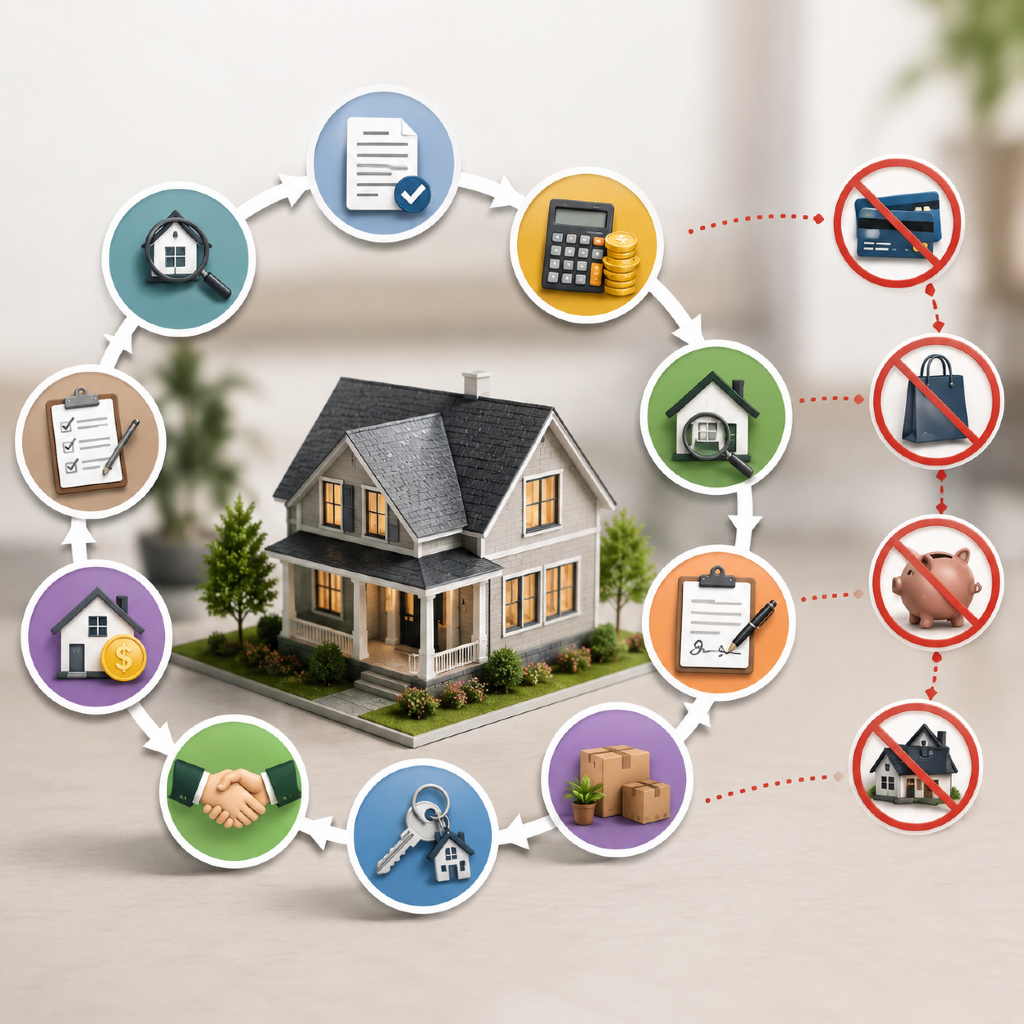
Virtual Home Buying Steps
Here are the typical steps in a virtual home buying journey:
- Search: Use online listings to find homes that match your needs.
- Tour: Schedule live video walkthroughs or 3D virtual tours.
- Consult: Communicate with real estate professionals via video, phone, or chat.
- Offer: Submit offers using secure online forms.
- Inspection: Arrange for inspections, sometimes with live remote viewing.
- Documentation: Review and sign paperwork digitally.
- Closing: Complete final steps through virtual meetings and electronic document exchange.
Why Consider Buying a Home Online?
Convenience of Virtual Tours
One of the main advantages of virtual home buying is the flexibility it offers. You can view multiple properties from anywhere, fitting tours into your schedule without the need for travel. Optional live video tours with agents let you ask questions in real time, so you still get the information you need.
Access to Wider Listings
Online platforms don’t just make it easier to see what’s available locally—they open up access to wider networks of homes. This can help you find properties outside your immediate area or in competitive markets, increasing your chances of landing the right fit.
What to Expect From Virtual Home Tours?
Touring Properties Remotely
Virtual home tours use 3D imaging, recorded walkthroughs, or live video to give you a realistic sense of the space. You can inspect rooms, examine layout, and gauge light and flow. Some platforms let you control the virtual camera yourself for a more tailored experience.
Questions to Ask During Virtual Tours
It’s easy to miss important details when viewing a property remotely. Make sure you:
- Ask about the condition of major systems (roof, HVAC, appliances).
- Request video closeups of windows, floors, or potential trouble spots.
- Clarify which appliances and fixtures are included.
- Confirm noise levels, neighborhood details, and internet connectivity.
How Safe Is Virtual Document Signing?
Understanding E-Signatures
Electronic signature technology lets you sign contracts and disclosures securely online. Modern e-signature solutions use encrypted connections, identity verification, and digital audit trails to help ensure the integrity of your documents. Always review documents carefully before signing, just as you would in person.
Tips for Secure Digital Transactions
To maximize safety:
- Use only trusted platforms and secure internet connections.
- Double-check sender identities before opening documents or sharing data.
- Store copies of signed documents in a secure location.
- Keep your devices protected with updated security software.
Pros of Digital Real Estate Transactions
Time and Travel Savings
Virtual buying saves you hours of driving, scheduling, and waiting for showings. You can shortlist more properties in less time, focusing only on those that truly interest you. This efficiency is especially valuable if you’re relocating or have a busy schedule.
Efficient Communication Tools
With digital tools, your questions are often answered quickly through chat, email, or video meetings. Document sharing happens instantly, making it easy to stay organized. Your real estate team can coordinate more efficiently, moving the process along promptly.
Cons of Buying a Home Virtually
Limited in-Person Interaction
Remote buying means you might not meet your agent, inspector, or seller in person. This can make it harder to build trust or get a feel for the property and neighborhood. If you’re someone who values personal connection, this approach may feel less reassuring.
Potential for Overlooking Details
Virtual viewing tools are powerful, but they’re not perfect. It’s possible to overlook details like subtle odors, small defects, or the “feel” of the home. Always request detailed reports and consider having a trusted local contact view the property on your behalf when possible.
Can You Trust Online Real Estate Platforms?
Checking Platform Credibility
To reduce risk, verify that your online platform or agent is reputable. Look for established platforms with positive third-party reviews, transparent practices, and clear privacy policies. You can also check professional credentials and industry affiliations.
Recognizing Common Virtual Buying Mistakes
Some common pitfalls include:
- Relying on just one type of tour or image.
- Skipping independent inspections or evaluations.
- Not reading digital contracts thoroughly.
- Failing to secure funding before making an offer.
Being aware of these challenges can help you make smarter decisions during your purchase.
Tips for a Smooth Virtual Home Purchase
Preparing a Digital Home Buying Checklist
Creating a checklist will help you keep track of steps and documents. Include tasks for viewing, inspections, financing, and closing. Listing contact information for real estate professionals and inspectors helps keep the process organized.
How to Avoid Common Pitfalls
Stay proactive by:
- Following up on all inspection results.
- Reviewing every document before you sign.
- Asking for video or photo evidence of recent repairs.
- Keeping communication clear and documenting agreements.
Making decisions at your own pace is key to successful virtual home buying.
Virtual Financing and Mortgage Basics
Overview of Online Mortgage Processes
Applying for a mortgage is now smoother than ever. Secure lender portals let you upload documents, get credit checks, and sign disclosures electronically. Many lenders guide you through each step with online tools and clear instructions, though some steps (like appraisals) may still require local professionals.
Financing Considerations for Digital Buyers
Before committing, compare mortgage options carefully. Pay attention to interest rates, loan terms, closing costs, and qualification criteria. Remember that online calculators and prequalifications are estimates. Your final offer may depend on additional verification steps and changing market conditions.