Key Takeaways
- Virtual home buying uses digital tools to deliver a seamless, end-to-end remote property purchase experience.
- By understanding each stage—from goal setting to closing—you can make informed decisions and navigate remote buying with confidence.
Buying a home remotely is no longer a niche process—it’s become a practical choice for buyers everywhere. With powerful digital tools, you can tour, negotiate, and close on a home from virtually anywhere. Here’s your comprehensive guide to understanding and mastering the virtual home buying process step by step.
What Is Virtual Home Buying?
Definition and Scope
Virtual home buying is the process of purchasing real estate primarily through digital platforms, allowing you to handle everything from home search to closing remotely. This process reduces or eliminates the need for in-person visits and leverages technology to bridge the physical distance between you and the property.
How Technology Enables Remote Purchases
Modern platforms offer high-quality photos, interactive floor plans, video tours, and secure document tools. These technological advances let you review properties, connect with professionals, submit offers, and finalize paperwork without setting foot on site. Virtual meetings, electronic signatures, and online payment systems round out the process.
Why Choose Remote Home Buying?
Convenience Factors
Remote buying eliminates travel time and allows you to explore homes on your schedule. You can compare properties with a few clicks, request information instantly, and manage the entire process from wherever you are. This flexibility is especially helpful if you’re relocating long-distance or juggling a busy lifestyle.
Overcoming Geographic Barriers
Virtual home buying is ideal if you’re moving to a new city, state, or even country. It opens more options in tight markets by letting you search outside your immediate area. The ability to act quickly from afar can be a key advantage in competitive markets.
Step 1: Assess Your Home Buying Goals
Clarifying Needs and Must-Haves
Begin by listing your priorities. Consider property type, size, number of bedrooms, location, school districts, amenities, and any non-negotiables. Clarifying your needs upfront saves time and keeps your property search focused.
Establishing Your Financial Comfort Zone
Set a realistic price range that works for your budget. Factor in your income, monthly expenses, and long-term financial goals. Remember that owning a home often includes extra costs like insurance, taxes, and maintenance, so plan conservatively.
Step 2: Get Preapproved for a Mortgage
Understanding Online Preapproval
Most lenders support online preapproval applications. This step estimates how much you could borrow and signals to sellers that you’re a serious buyer. The online process is usually quick, secure, and can often be completed in a day or two.
Key Documents You’ll Need
Prepare digital copies of recent pay stubs, tax returns, bank statements, and proof of assets or debts. Uploading these through a secure portal streamlines preapproval and keeps your information confidential.
Step 3: Find Properties Online
Using Virtual Tours Effectively
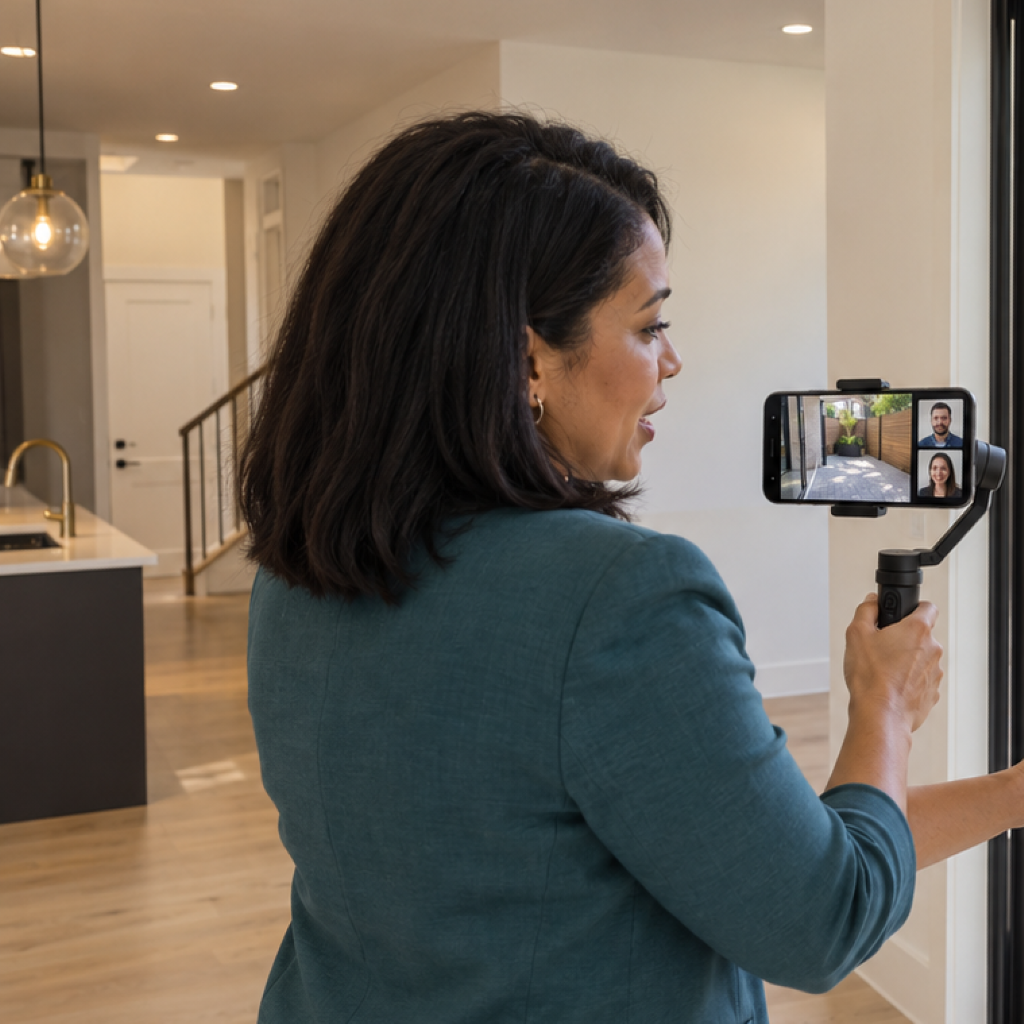
Virtual tours provide a 360-degree look at properties. Use these to explore layout, finishes, and room sizes. Pause, zoom in on details, or repeat segments to get a thorough understanding. Many listings offer recorded or live video walkthroughs—use both for the most complete picture.
Reviewing Listings and Neighborhood Info
Review listing descriptions, floor plans, and photo galleries closely. Use dedicated websites and city guides to research neighborhood data, crime rates, school scores, local amenities, and public transportation. Compare properties based on your priorities and create a shortlist for showings.
What Should You Ask During Virtual Showings?
Essential Questions for Sellers
Prepare questions like: When was the home last renovated? What recent upgrades or repairs have been done? Why is the owner selling? Are there any known issues? These questions help you understand the property’s history and spot potential red flags.
Tips for Evaluating Home Condition Remotely
Ask to see close-ups of critical systems (HVAC units, electrical panels, plumbing) during your virtual tour. Request a look at less-photographed areas—behind doors, basements, attics, exterior property lines, and street noise at different times of day.
Step 4: Making an Offer Remotely
Digital Document Signing Basics
E-signature platforms are standard in remote transactions. They allow you to review contracts and sign legally binding agreements securely from anywhere. Always read documents carefully, and keep copies for your records.
Negotiating Purchase Terms Online
Communicate with all parties via secure email or video calls. Clearly spell out contingencies, timelines, and requests for repairs or credits. Clarify questions right away to reduce misunderstandings and keep negotiations on track.
Step 5: Home Inspection and Appraisal Online
Coordinating Virtual Inspections
Request a virtual presence during inspections. Some inspectors offer live video calls, sharing real-time findings and visual details. Ask for a comprehensive digital report with photos and written findings to review at your convenience.
What to Expect During Remote Appraisals
Lenders arrange property appraisals to confirm value. With remote options, appraisers may conduct exterior evaluations and use online tools. While not every appraisal is fully virtual, you can coordinate and review many tasks online. Expect a secure delivery of the final report.
Step 6: Closing on Your Home Remotely
Understanding E-Closings
E-closings use e-signatures and secure portals to manage all final documents online. Video conferencing may be required to verify your identity. You can often complete everything—from disclosures to the deed—without an in-person meeting.
Verifying Documents and Security
Carefully review closing forms for accuracy. Use secure connections and verified platforms for sensitive data and payments. Protect yourself from fraud by double-checking instructions with your closing agent and never sending funds without independent verification.
Is Remote Home Buying Right for You?
Assessing Your Comfort Level
Consider how comfortable you are making decisions based on digital information. If you prefer in-person connections and physical walkthroughs, a hybrid approach may suit you better. Ask yourself if you feel fully informed and supported throughout each step.
Potential Limitations to Consider
While virtual buying is efficient, some properties or markets may offer limited digital access. Not all features are visible online, and remote professionals may have limits on what they can assess. Build in time for questions and extra research to offset any uncertainties. Always remember that real estate involves investment risk and market changes.