Key Takeaways
- Rent-to-own lets you work toward homeownership while still renting, but the process and risks require careful review.
- Understanding agreement terms and asking the right questions helps you protect your interests throughout the rent-to-own journey.
Looking for new ways to achieve homeownership? The rent-to-own process offers an alternative path for buyers who may not be ready for a traditional purchase. In this guide, you’ll learn how rent-to-own works, what steps are involved, and what risks and questions you should be aware of before proceeding.
What Is the Rent-to-Own Process?
Overview of Rent-to-Own Agreements
Rent-to-own home agreements combine elements of renting and buying. As a tenant, you live in the property and pay rent with the future option (and sometimes obligation) to purchase the property at a later date, usually after a set period. The agreement typically outlines the purchase price or sets a formula to determine it later.
How Rent Payments Work
Each month, you pay rent like a standard lease, but a portion of your rent may be earmarked as a credit toward your future down payment or purchase price. This amount and its application are fully detailed in your contract, so it’s essential to review these details carefully to understand how much benefit you receive.
Typical Contract Terms
A rent-to-own contract generally covers how long you can rent before buying, what happens if you decide not to buy, maintenance responsibilities, the agreed-upon purchase price (or how it will be set), and the structure of rent credits. Some agreements give you the option to buy, while others require you to do so at the end of the lease term.
Why Choose Rent-to-Own?
Potential Benefits for Buyers
Rent-to-own arrangements can benefit buyers by allowing time to improve credit, save for a down payment, or get financially prepared while living in the home. You may also lock in a purchase price and build some equity through rent credits.
Situations Where Rent-to-Own Fits
This path may suit you if you need time to build a stronger financial profile, repair credit issues, or save more before applying for a mortgage. It can be helpful if you’ve found a home you like but aren’t able to buy immediately or want to ‘test drive’ the home and neighborhood before fully committing.
Considerations Before Deciding
While rent-to-own offers unique advantages, it also carries risks. Be mindful that rent premiums, added responsibilities, and strict contract terms can affect your experience. Assess your readiness to manage both the financial and practical aspects of renting with a path-to-purchase option.
What Are the Key Steps?
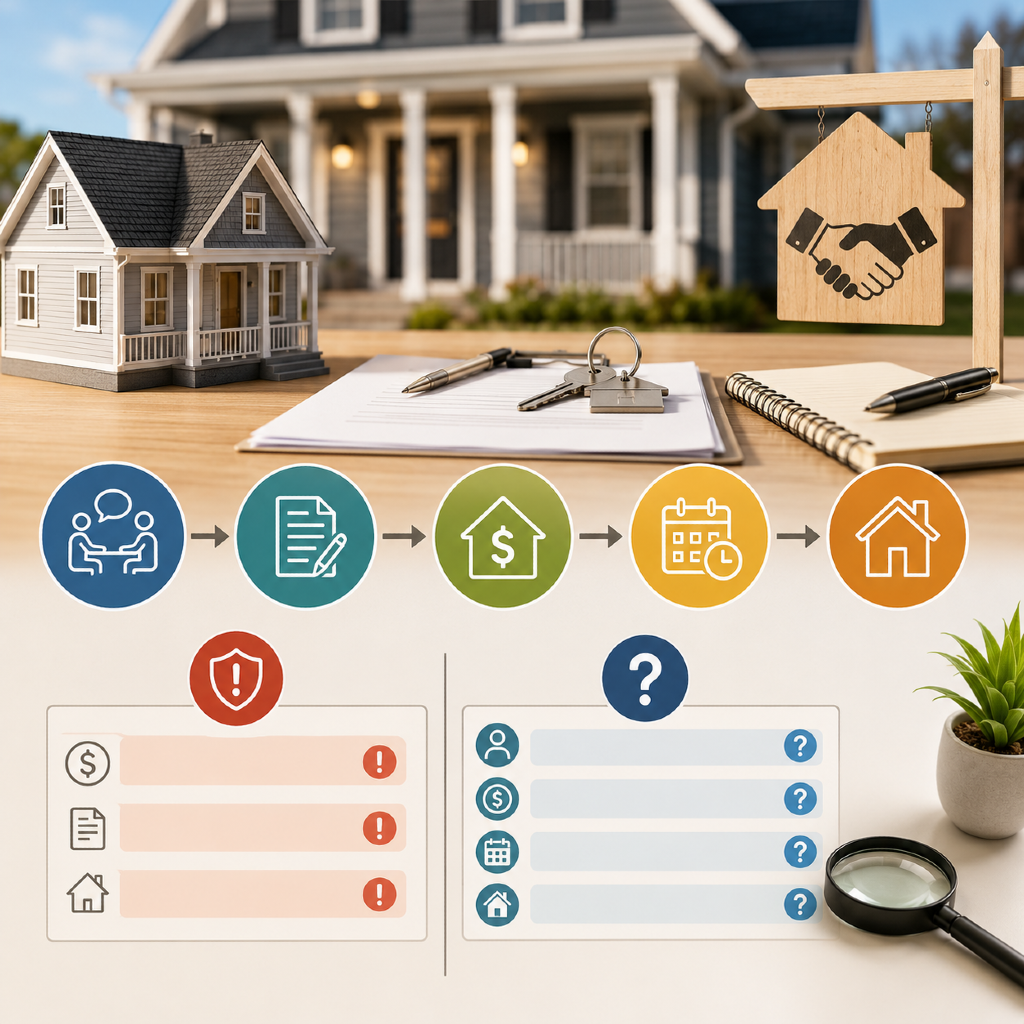
Step 1: Research and Budgeting
Start by learning about local rent-to-own options and typical market rates. Prepare a budget that includes rent, potential premium for the rent-to-own feature, and other ongoing costs like maintenance, repairs, and eventual mortgage payments.
Step 2: Finding Properties
Seek reputable sources to identify available rent-to-own properties. You can search online real estate listings, specialized rent-to-own platforms, or consult with a real estate professional who’s experienced with these types of agreements.
Step 3: Negotiating Terms
When you find a property, work to negotiate terms that suit your situation. This includes agreeing on the purchase price (fixed now or set later), determining how much of your rent applies as a credit, specifying deadlines, and clarifying who is responsible for repairs and maintenance.
Step 4: Understanding Your Rights
Make sure you know your rights regarding early purchase, exit options, maintenance rules, and refundability of any upfront payments. Read the contract with care, and consider seeking guidance from an attorney familiar with rent-to-own real estate if you have concerns.
Step 5: Completing the Agreement
Once you agree on terms, put everything in writing and sign the agreement. Move in, pay according to the contract, and track your credits toward eventual purchase. Keep a copy of the agreement and all documentation handy for your records.
What Are Common Risks?
Potential Financial Pitfalls
The additional rent may not always result in substantial purchase credits if you leave early or can’t buy at the end of the term. You could lose non-refundable fees or credits if you don’t follow the contract or your circumstances change.
Contract Clauses to Review
Look for clauses about rent increases, maintenance obligations, who pays property taxes and insurance, purchase price changes, and consequences of missing payments. These details decide your actual costs and responsibilities—read them carefully.
Options If Circumstances Change
If you face unexpected job changes, family needs, or financial issues, the agreement should outline options for early exit, subletting, or forfeiting certain payments. Clarify what happens if you can’t or don’t wish to purchase, so you’ll know where you stand.
Is Rent-to-Own Right for You?
Comparing Rent-to-Own With Traditional Buying
Rent-to-own can bridge the gap if you’re not ready for a mortgage but want to move toward buying. Unlike a standard purchase, you have time to prepare, but the total cost may be higher due to premiums and potential loss of credits. Compare total costs, flexibility, and long-term readiness with traditional buying.
Assessing Personal Financial Readiness
Assess your income stability, debt levels, and ability to secure a mortgage by the end of the agreement. Be realistic about your timeline and make sure you’ll be able to qualify for a home loan, as most contracts require purchase within a set period.
Key Questions to Ask Yourself
Think about your plans for the area, timeline for buying, and if your finances are on track to make the eventual purchase. Ask yourself if you can manage maintenance, rising costs, and potential risks if circumstances shift.
What Questions Should You Ask?
Crucial Questions Before Signing
Before you commit, ask for clear written terms on the rent amount, credits, purchase price, maintenance duties, and refundability of payments. Understand exactly what’s expected of you throughout the process.
Questions for the Property Owner
Ask the property owner about their track record with similar arrangements, why they’re offering rent-to-own, and if there have been past issues or disputes. Check that the home’s title is clear and that it’s not under foreclosure or legal threat.
Understanding Your Options
Make sure you fully understand your pathways if you need to exit early, can’t buy, or want to adjust terms. Seek professional advice as needed, and protect yourself with documentation and a well-structured agreement.