Key Takeaways
- A low down payment can help you purchase a home sooner, but it often involves higher monthly costs and insurance requirements.
- Carefully weigh your financial stability and explore assistance programs before deciding on your down payment strategy.
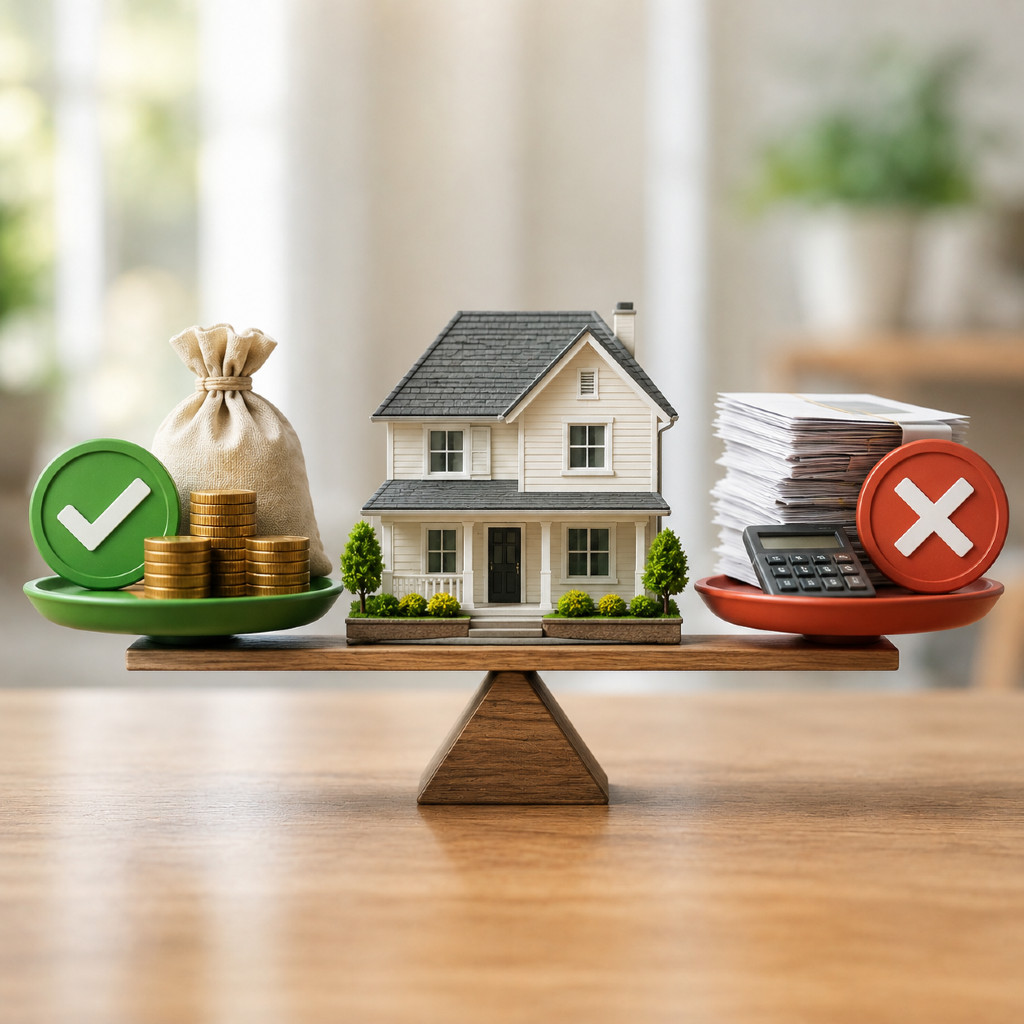
Considering a home purchase with a low down payment? Many buyers explore this option to enter the market more quickly, but it comes with advantages and challenges. In this guide, you’ll find clear explanations of how low down payments work, relevant pros and cons, and what to think about before making a decision.
What Is a Low Down Payment?
Typical down payment ranges
A down payment is the portion of the home’s purchase price you pay upfront. Traditionally, you might hear that 20% is the standard down payment, but many buyers contribute less. A low down payment is generally defined as putting down less than 20% of the home’s value. In some cases, you may be able to purchase with as little as 3% to 5%, depending on the loan program.
A smaller down payment means you finance a larger portion of the purchase price through a mortgage. While this approach can make homeownership more accessible, it can affect overall costs, monthly payments, and eligibility criteria.
Common loan programs with low down payments
Several established loan programs allow home purchases with reduced down payments:
- Conventional loans with private mortgage insurance (PMI): Some lenders accept down payments as low as 3% for qualified borrowers, though mortgage insurance is typically required.
- FHA loans: Backed by the Federal Housing Administration, FHA loans may require a down payment as low as 3.5%, making them accessible to those with lower savings or moderate credit.
- VA loans and USDA loans: These government-backed programs offer eligible buyers the chance to purchase with little or no down payment, provided specific requirements are met.
Each program has its own eligibility guidelines, limits, and insurance requirements, so it’s wise to review options carefully before applying.
How Does a Low Down Payment Work?
Mortgage structure and requirements
When you make a low down payment, your mortgage covers a greater share of the home’s purchase price. This usually means higher monthly principal and interest payments compared to loans with larger initial contributions.
Lenders may require you to meet stricter criteria, such as higher credit scores or lower existing debt ratios, to offset their additional risk. The loan approval process often involves detailed documentation of your income, assets, and employment to assess your ability to repay.
Role of private mortgage insurance
If you put down less than 20% on a conventional mortgage, you’ll likely pay for private mortgage insurance (PMI). PMI protects the lender if you default on your loan, not you directly. The cost of PMI varies, but it’s typically added to your monthly mortgage payment.
With government-backed loans, such as FHA loans, a similar insurance premium is required. For most borrowers, these insurance costs remain in place until sufficient home equity is built—often at least 20% through principal payments or home value appreciation.
What Are the Pros of Buying With Less Down?
Faster path to homeownership
A low down payment can put you in your new home sooner. If saving a large sum would take years, contributing less at the outset allows you to start building equity and enjoying homeownership right away. This can be especially helpful in rising markets, where waiting to buy might mean facing higher prices later.
Preserving cash for other needs
Keeping more cash on hand after your purchase can provide important flexibility. You may need funds for moving costs, home improvements, an emergency savings cushion, or other investments. A smaller initial investment frees up resources for these essentials, potentially easing your financial transition into homeownership.
What Are the Cons of Low Down Payment?
Higher monthly payments
Financing a larger share of your purchase means your monthly mortgage payments will be higher than if you put down more. That’s partly because your loan principal is larger, and partly due to required mortgage insurance. Higher ongoing costs can affect your overall budget and future financial flexibility.
Increased total borrowing costs
Over time, borrowing more money and paying mortgage insurance can add up. You may pay more in total interest, fees, and insurance premiums throughout the life of your loan. These additional costs can outweigh the benefit of getting into a home sooner if you plan to stay for a long time or if market conditions change unexpectedly.
What Should Homebuyers Consider First?
Personal financial stability
Before choosing a low down payment route, take a close look at your overall financial health. Assess your income stability, level of emergency savings, existing debt obligations, and comfort with higher monthly expenses. It’s also wise to plan for potential changes in circumstance, like job transitions or unexpected expenses, once you’re a homeowner.
Local market conditions
Housing markets vary widely by location. In competitive areas, higher down payments can strengthen your offer, while slower markets may offer more flexibility. Researching recent sales, trends in home values, and typical down payment amounts in your area can provide useful perspective as you decide how much to put down.
Are There Alternatives to Low Down Payments?
Down payment assistance programs
If coming up with a larger down payment is challenging, some communities and organizations provide assistance programs. These may offer grants, forgivable loans, or deferred payment options to help cover part of your initial costs. Requirements differ by location and provider, so eligibility and benefits will vary.
Saving for a larger down payment
Delaying your purchase to save more money can increase your buying power and reduce future costs. A larger initial payment often leads to lower monthly payments, reduced interest over time, and the ability to skip mortgage insurance. Setting targeted savings goals and budgeting for your down payment over time may boost long-term confidence and affordability.