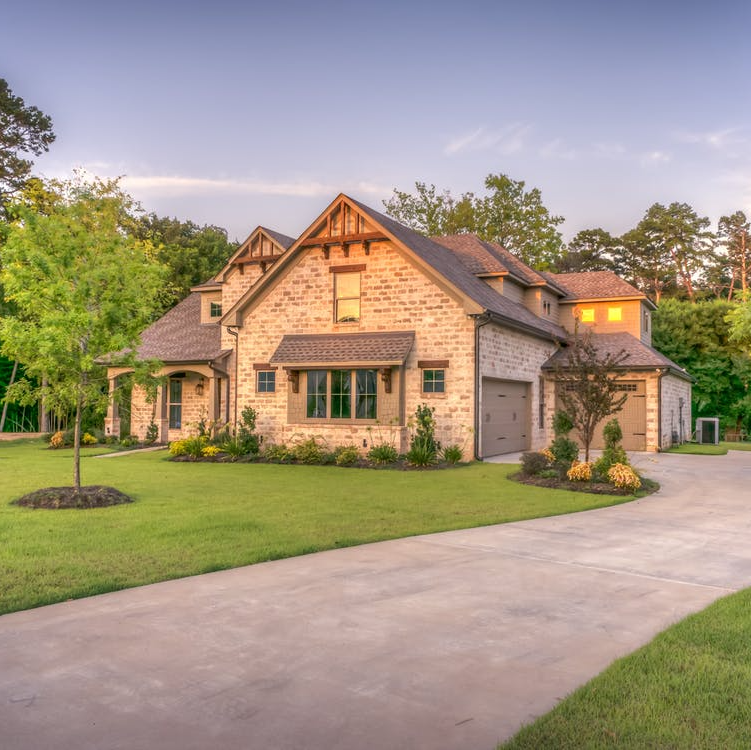
Some economists anticipate a rise in the number of foreclosures. The economy has been hit by Coronavirus shutdowns, and unemployment is still high, even if the property market is robust.
A foreclosed house is one that has been repossessed by a lender after a borrower falls behind on their mortgage payments and is unable to make them. The process enables the mortgage lender to sell the house to recoup some of the money lost when the homeowner ceased making payments on their loan.
Types of foreclosures
Foreclosed properties are divided into two distinct categories. These are bank-owned and real estate-owned properties (REO). In both cases, the property is owned by the lender. The stage of foreclosure is the main difference between these two categories.
Bank-owned properties are in the process of going through foreclosure, which means the owner has stopped paying payments and the lender is moving to evict them. Bank-owned residences that have been foreclosed on are sold at auction. The house is still the bank’s property, even if it does not sell at auction; nonetheless, it is an REO. REO homes have been up for auction, but nothing has come of it. Typically, the lender will try to sell them via its REO agents.
Foreclosures are typically less costly and, in some cases, much less expensive than comparable homes in the region. Most foreclosures are sold for far less than their market worth. Other advantages of purchasing a foreclosed house include cheaper loan rates, fewer down payments, and the ability to eliminate appraisal fees and certain closing costs.
There are circumstances when you may locate a good deal in a distressed home that is not bank-owned.
As an example, consider the pre-foreclosure stage. This indicates that the lender has informed the borrower that they are in default, but if the owner can sell the house, they may be able to avoid going through with a foreclosure. When a lender accepts less for a property than what is owed on a mortgage, this is known as a short sale. Approval of a short sale by a lender does not require that you be in default.
Government-owned properties are also present. When a loan with government backing defaults, the federal government takes ownership of the property.
Procedures when buying a foreclosure property
Find a Representative
Finding a mortgage broker or real estate professional with experience in foreclosures is the first step. It will be beneficial to approach the procedure with as many eyes open as possible, given the significant risk associated. An experienced expert will be able to provide you with recommendations. A knowledgeable realtor can recognize warning signs, pinpoint areas where real estate prices are declining, and assist in finding good deals.
Get a mortgage pre-approval
The fact that most real estate investors would pay cash for a foreclosure increases the level of competition in this market. You will need financing if you cannot pay for the property outright. You should find out how much you can borrow in advance and be pre-qualified or pre-approved for a loan before deciding to purchase the repossessed home.
Make your offer
The following step would be to engage with your broker to bargain a price with the owner of the property or the lender holding the title. You could place a bid at an auction if the conditions are right. Ensure you have the required down payment to secure the purchase, customize your offer letter to reflect this, and account for anticipated repair costs.
Schedule an Inspection
You purchase foreclosures as-is. Nobody on the seller’s side will perform any repairs. If you purchase the property, you are responsible for any necessary repairs. Therefore, before making an offer, you must understand what you are getting into. If you do an inspection and find the issues to be overwhelming, you should not purchase the home. The inspection is not intended to be a bargaining tool; it is just meant to assist you in deciding.
You cannot conduct an inspection before purchasing a house at auction.
Typically, you cannot even inspect a house before bidding at an auction.
The Buyers’ Risk
The dangers associated with purchasing a foreclosed property are considerable. There are frequent issues and unintended expenses that you might not even find during an examination. The procedure is also cumbersome.
Contact Information:
Email: [email protected]
Phone: 9515552345