Key Takeaways
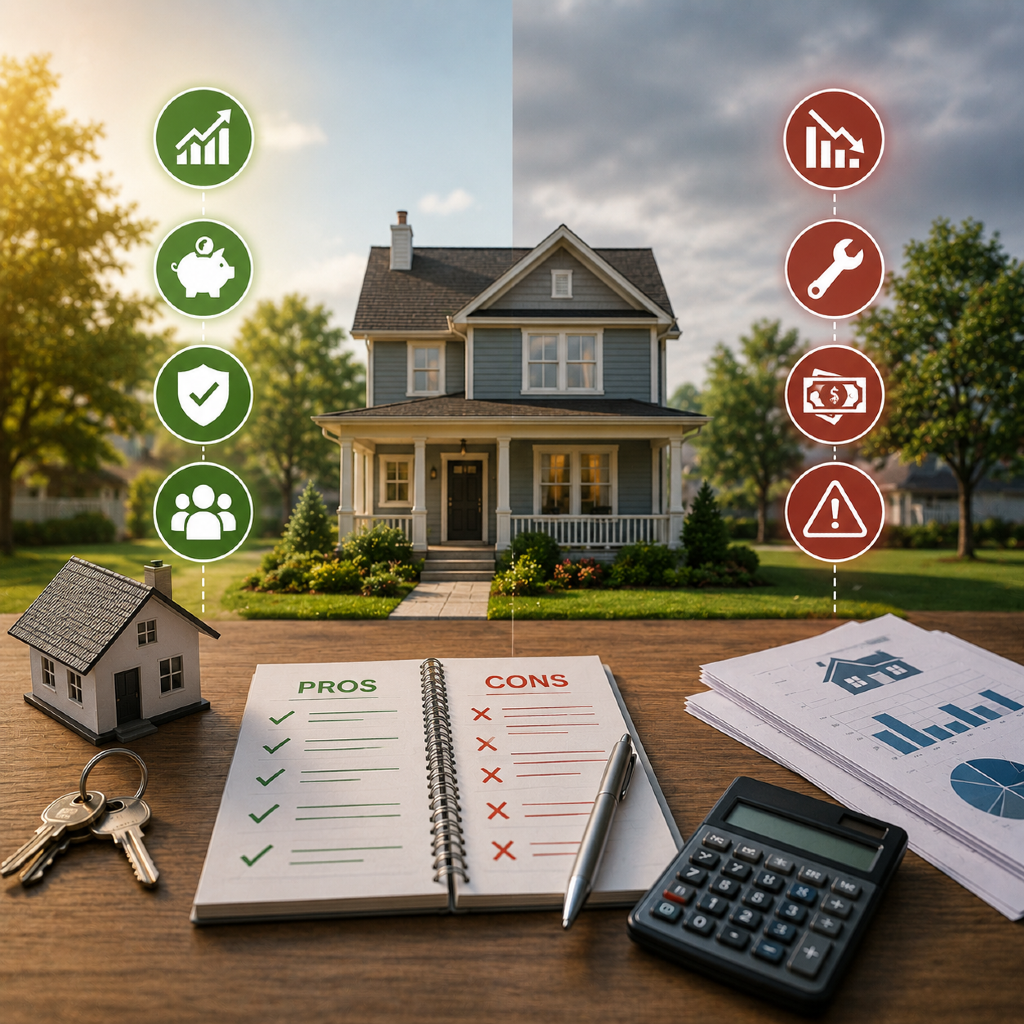
- Homeownership provides potential long-term advantages but also carries financial responsibilities and risks.
- Careful evaluation of your lifestyle, finances, and market conditions is essential before deciding to buy.
Did you know that many homebuyers cite long-term financial security as their main reason for purchasing—but not everyone’s path to ownership results in the same outcome? Let’s break down the real advantages, disadvantages, and risks so you can make a confident decision.
What Does Homeownership Really Mean?
Defining homeownership
When you buy a house, you obtain legal ownership of the property. This means your name is on the title, and you have exclusive rights to occupy or modify the home according to your preferences and local laws. Unlike renting, homeownership is both a financial investment and a personal lifestyle commitment.
How ownership differs from renting
Owning a home gives you greater control over the space, from interior design changes to landscaping. Renters, by contrast, are subject to their landlord’s restrictions and lease terms. While renters typically contact a landlord for repairs, owners are fully responsible for maintenance, property taxes, and insurance. Ownership can also offer a sense of stability and belonging, as you are not at risk of unexpected moves due to a lease ending or rent increases.
Ongoing responsibilities and commitments
Homeownership brings a range of ongoing duties: maintaining the property, paying property taxes, securing homeowner’s insurance, and ensuring compliance with local codes. You must also budget for regular repairs and improvements, all of which contribute to the long-term condition and value of your home. Unlike renters, who may move on short notice, homeowners usually stay for several years to realize the potential benefits of their investment.
What Are the Main Benefits?
Potential for property appreciation
One of the key attractions of homeownership is the possibility that your home’s value will increase over time. If the real estate market grows, your property could appreciate, potentially providing you with a financial gain when you sell. However, appreciation is not guaranteed and depends on local economic and market conditions.
Building home equity over time
With each mortgage payment, you typically pay down the loan’s principal, gradually building equity—the portion of your home that you truly own. Over time, this can become an important financial resource, whether it’s used as security for future borrowing or as part of your long-term savings strategy.
Greater privacy and control
Ownership allows you to personalize your property, from renovations to landscaping. You can also make energy-efficient upgrades or modify your home to better suit your needs, without asking a landlord for permission. Additionally, you may enjoy a greater sense of privacy, security, and permanence than you would as a renter.
Which Risks Should Buyers Consider?
Market and home value fluctuations
The value of any property can rise or fall due to market forces beyond your control. Real estate markets are influenced by interest rates, employment trends, neighborhood development, and broader economic shifts. As a homeowner, you carry the risk that your home could lose value, affecting your equity and your ability to sell without a loss.
Unplanned maintenance costs
Unlike renters, you’ll be responsible for all home repairs and unexpected expenses—such as a leaking roof, faulty wiring, or appliance replacement. These costs can be unpredictable and may add up quickly if your home requires significant repairs or upgrades.
Potential financial strain
For many, buying a house is the largest purchase they will ever make. The upfront down payment, monthly mortgage payments, taxes, insurance, and maintenance can strain your budget—especially if your financial circumstances change due to job loss, health issues, or market downturns.
Is Ownership Right for Everyone?
Evaluating lifestyle and stability
Before buying, it’s important to assess whether your lifestyle aligns with the responsibilities of ownership. If you anticipate frequent job changes or relocations, renting may offer greater flexibility. Stability in your career, finances, and personal life often indicate a better fit for buying a home.
Alternative options to buying
Ownership isn’t the only path to comfortable, secure housing. Renting may be ideal if you value mobility, lower upfront costs, or less responsibility for repairs. Other options include co-housing, long-term leases, or even lease-to-own agreements, depending on your market.
Who may prefer renting?
If your financial situation is uncertain, your time horizon is short, or you simply prefer not to manage property maintenance, renting may suit you better. Renters gain the advantage of predictable costs and the freedom to move with minimal notice.
How Does Buying Affect Finances?
Common upfront and recurring costs
When you buy a home, you’ll face several upfront costs: the down payment, closing costs, inspection and appraisal fees, and moving expenses. Ongoing costs include mortgage payments, property taxes, homeowner’s insurance, and routine maintenance. Understanding these will help you form an accurate budget.
Budgeting and emergency funds
It’s important to account for both predictable monthly expenses and unexpected emergencies. A well-structured budget should include savings for sudden repairs and financial setbacks. Emergency funds can help cushion your finances and prevent costly borrowing if you encounter unplanned expenses.
Long-term savings implications
While homeownership can be part of a long-term wealth-building plan, it’s important to consider how tying up money in your home affects your overall savings and investment strategy. Real estate is less liquid than other assets; selling can take time and involves costs of its own.
How Can Buyers Reduce Key Risks?
Due diligence steps
Careful research can help you avoid common pitfalls. Begin by understanding local market trends, evaluating the condition of a property through inspections, and assessing neighborhood amenities. Comparing multiple properties and reviewing recent sales data can also provide helpful insights.
Importance of professional guidance
Working with experienced professionals—such as real estate agents, home inspectors, and financial advisors—can make a significant difference in your purchase experience. While you should avoid relying on unqualified advice, professionals can help you identify risks and clarify your responsibilities.
Planning for unexpected expenses
Setting aside funds for repairs, upgrades, and emergencies is essential. Consider building home maintenance costs into your regular budget and updating your emergency fund when you take on new responsibilities as a homeowner.
What Questions Should Buyers Ask?
Assessing personal readiness
Ask yourself if you’re financially and emotionally prepared for the commitment homeownership requires. Evaluate your savings, stability of income, and willingness to take on maintenance duties before proceeding.
Understanding the local market
Learn about property values, market trends, and community features in your chosen area. This local knowledge can guide you toward a more informed and confident purchase.
Getting clear on long-term goals
Reflect on why you want to buy a home—whether it’s for financial security, lifestyle reasons, or long-term investment. Clarity here will help you determine if ownership aligns with your broader life goals.