Key Takeaways
- Homeownership offers long-term equity and stability, but involves significant upfront and ongoing costs.
- It’s crucial to weigh your lifestyle, readiness, and financial goals before deciding whether to buy or rent.
When you’re deciding whether to buy a house, there’s a lot to consider—far beyond the sale price or down payment. Understanding the true costs, benefits, and risks will help you make an informed decision about homeownership and its fit in your life.
What Does Homeownership Mean?
Definition and core concepts
Homeownership means you hold the legal title to a property and are responsible for it financially and physically. As a homeowner, you have the right to live in, modify, or sell your property, subject to local laws and any loan agreements. Over time, as you pay down your mortgage, you build what’s known as equity—the difference between what your home is worth and what you owe on it.
Homeownership versus renting
Unlike renting—where you pay for the right to live in someone else’s property—homeownership comes with long-term commitments and added responsibilities. Renters typically have fixed monthly payments and fewer maintenance duties, while homeowners must budget for repairs, property taxes, and other variable costs. The potential to build equity is a major difference: rent payments don’t contribute toward ownership, while mortgage payments can gradually increase your share of your home’s value.
What Are the Costs of Buying a House?
Upfront expenses to consider
When you buy a house, you’ll encounter several upfront costs. These include your down payment (typically between 3% and 20% of the purchase price), closing costs (covering fees such as lender charges, title insurance, inspections, and legal services), and expenses tied to moving and initial furnishing. Additionally, you may need to pay for immediate repairs, upgrades, or reserves for homeowners insurance and taxes at closing.
Ongoing ownership costs
After the purchase, you’ll have recurring expenses far beyond your monthly mortgage payment. These commonly include property taxes, homeowners insurance, mortgage insurance (if required by your loan), utilities, and HOA or condo fees for certain properties. Regular maintenance and repairs—like fixing the roof, updating systems, or yard work—are an ongoing responsibility. Unexpected costs, such as appliance replacements or severe weather damage, can also arise, so keeping an emergency fund is recommended.
What Are the Pros of Owning a Home?
Building potential equity
One of the main potential advantages of buying a house is equity growth. As you pay off your mortgage and if your home increases in value, you could eventually own an asset worth more than you paid. Equity can provide flexibility, such as the ability to borrow against your home for major expenses or eventually sell for a profit, depending on market conditions.
Stability and personalization
Owning a home provides the freedom to personalize your space—whether that’s painting walls, renovating rooms, or landscaping to suit your tastes. Homeownership also tends to offer more long-term stability. Unlike with leases that may end or have rent increases, you decide if and when to move. For many people, owning a home provides a sense of control and belonging in their community.
What Are the Cons of Buying a Home?
Financial risk factors
Buying a house introduces significant financial risks. Home values can fluctuate due to changes in the market or neighborhood, meaning your property may not always gain value over time. Mortgages are substantial, long-term commitments—if your financial situation changes, meeting these payments could become challenging. Selling a home can also take time and may involve costs like agent commissions or repairs to attract buyers.
Unexpected maintenance needs
With homeownership, you must be prepared for repairs and upkeep, both planned and unplanned. Costs can vary widely—from minor fixes like leaky faucets to major expenses such as roof replacements or system failures. Unlike renting, where the landlord handles most repairs, the responsibility for maintenance falls to you, affecting both your budget and available free time.
How Does Renting Compare to Owning?
Flexibility and mobility
Renting is often preferred by those who value flexibility. Lease agreements are typically short-term, making it easier to relocate for work, family, or lifestyle changes without the process of selling property. For those uncertain about their long-term plans or who anticipate major life changes, renting offers adaptability that homeownership may not easily provide.
Financial predictability
Renters usually pay a fixed monthly amount and rarely face large, sudden expenses for repairs or maintenance. While rent can rise with each renewal, renters avoid the volatility of property tax changes, insurance fluctuations, or unexpected home repairs. For some, this predictability makes budgeting simpler and reduces financial stress.
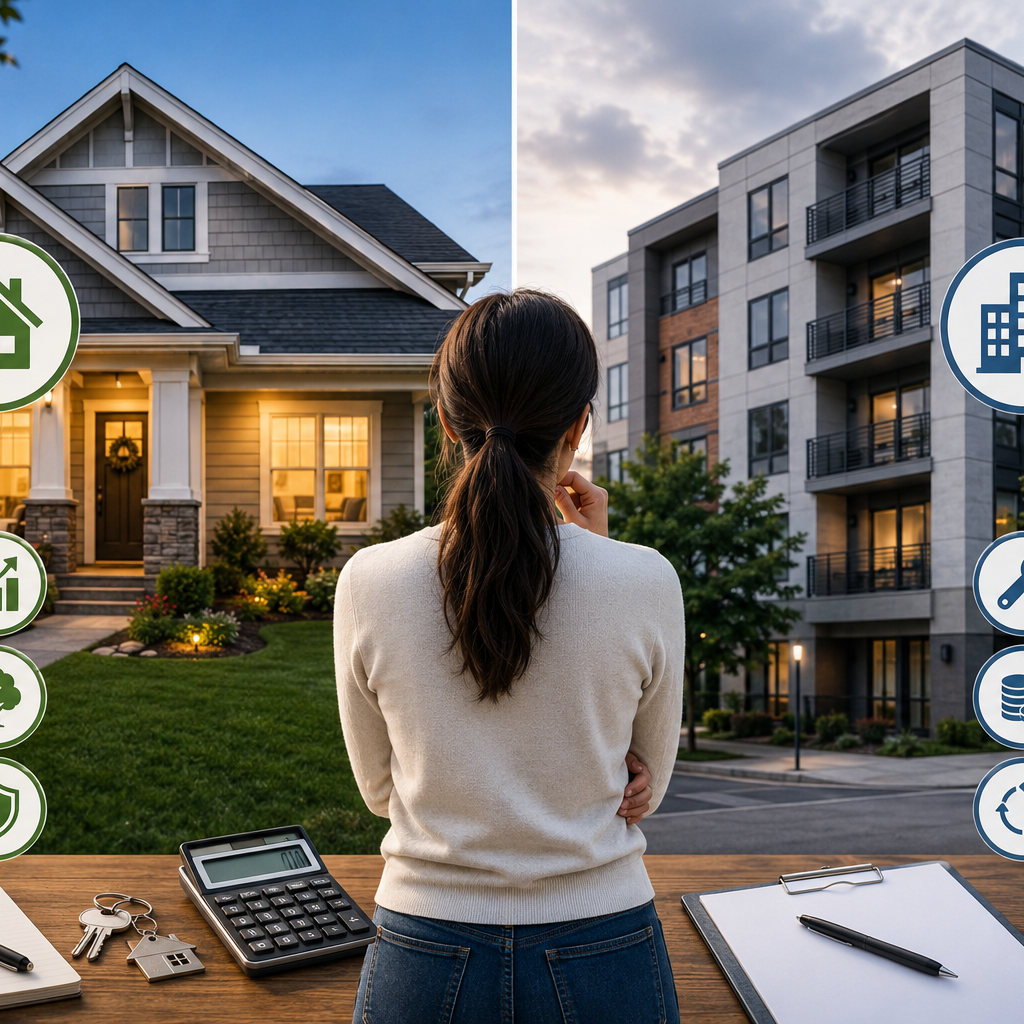
Is Homeownership Right for Everyone?
Lifestyle and long-term goals
Choosing whether to buy or rent a home comes down to your personal goals and lifestyle. If you seek stability and want to invest in a property for the long term, homeownership might make sense. However, if you prefer mobility or don’t wish to take on the commitments of maintenance and renovations, renting could be the better fit. Consider how your priorities—like family, career, and community—may shift over time.
Market and personal readiness
It’s important to assess market conditions and your own readiness before making a decision. Are home prices reasonable in your area, or are they climbing quickly? Do you have a stable income and an emergency fund to handle the obligations of homeownership? Taking an honest look at your finances and life stage will help you understand whether you’re truly ready to buy or if waiting might put you in a stronger position in the future.