Key Takeaways
- You can buy a house with bad credit by understanding your options, preparing carefully, and exploring suitable mortgage programs.
- Smart planning, financial awareness, and asking the right questions can strengthen your position as a homebuyer.
Buying a house with bad credit may seem overwhelming, but many individuals and families have done it successfully. With clear steps, reliable information, and the right questions, you can work toward homeownership—even if your credit history has hurdles. Here’s a practical, educational guide to help you navigate the process with confidence.
What Does Bad Credit Mean?
Credit scores explained
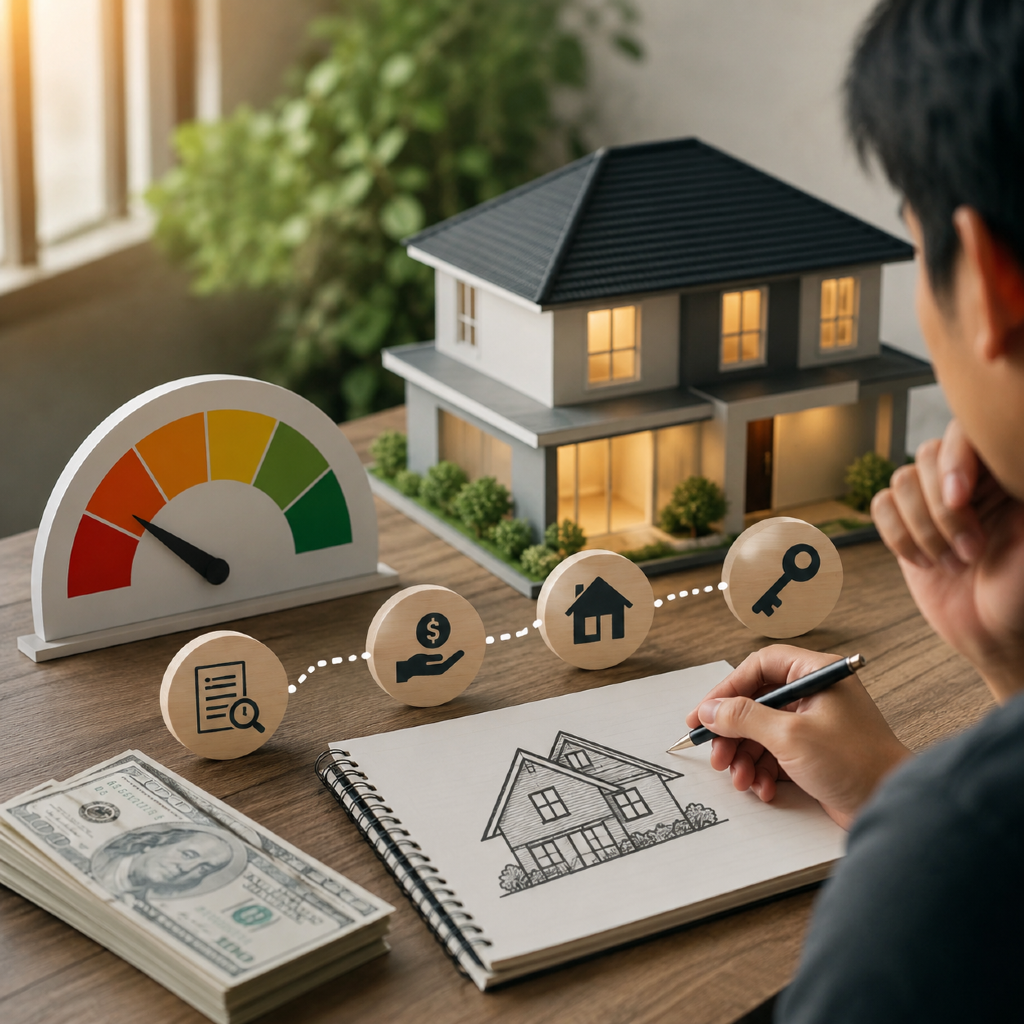
Credit scores help lenders estimate how reliably you’ll handle loans and payments. Scores typically range from 300 to 850. A lower score signals a higher risk, often making it harder—and sometimes more costly—to get approved for a mortgage. For many lenders, a score below 620 is considered “bad credit,” though some programs are flexible.
How lenders view low credit
Lenders aim to predict if you’ll repay your mortgage as agreed. A lower credit score may mean higher perceived risk. As a result, you may be offered higher interest rates, smaller loan amounts, or extra requirements like higher down payments or mortgage insurance.
Factors that affect credit rating
Common factors shaping your credit rating include your payment history, amount of debt, length of credit history, new credit inquiries, and the mix of credit types you use. Late payments, high balances, or frequent credit checks can all weigh negatively on your score.
Can You Buy a House With Bad Credit?
Common obstacles buyers face
As a buyer with bad credit, you may face limited loan options, stricter qualifications, and increased costs like higher interest rates or fees. Competing with buyers who have stronger credit scores may also be challenging in certain markets.
Potential opportunities and risks
While challenges exist, some mortgage programs are designed with flexible credit requirements. Government-backed loans and specialized first-time homebuyer initiatives may open doors. However, it remains vital to recognize the financial obligations you’re taking on, including higher monthly payments or longer-term risk from variable rates.
Legal and financial considerations
Purchasing a home involves significant financial and legal responsibilities. You’ll need to understand your contract obligations and the rights and protections available to you as a buyer. It’s wise to seek neutral educational resources if you’re unsure about complex terms or legal issues.
Steps to Prepare for Home Buying
Check your credit report
Start by reviewing your credit report from the major credit bureaus. Identify any errors or outdated information and dispute them as needed. Understanding the details behind your credit score helps you plan your next steps.
Assess your budget realistically
Calculate how much you can afford—not just for the home itself, but for related costs like insurance, taxes, and ongoing maintenance. Honest budgeting ensures you don’t stretch your finances too thin.
Set a savings plan for homebuying
You’ll likely need funds for the down payment, closing costs, and emergency reserves. Create a savings plan based on your timeline and estimated needs. Some programs allow lower down payments, but more savings provides greater flexibility.
Gather required documentation
Prepare essential documents such as pay stubs, tax returns, bank statements, and records of major debts. Lenders will expect clear proof of income and reliable financial management.
Which Mortgage Options Are Available?
Overview of government-backed loans
FHA, VA, and USDA loans offer flexible credit requirements, making them popular with buyers who have less-than-perfect credit. These programs often have lower minimum credit score standards and may ask for smaller down payments compared to conventional loans.
Conventional mortgages with low credit
Some private lenders offer conventional mortgages to buyers with low credit, though the requirements are often stricter than with government-backed loans. Be prepared to explain your financial history and show compensating factors, such as stable employment or larger down payments.
Considering alternative lenders
Non-traditional lenders, including credit unions or regional banks, can sometimes be more flexible in reviewing an application. Compare terms carefully, and stay alert for higher costs or less conventional terms.
Understanding down payment requirements
Your down payment impacts what types of loans you may qualify for. Some programs allow as little as 3% down, while others require more. The higher your down payment, the more options may be available even if your credit is low.
How Can You Improve Mortgage Approval Odds?
Strategies to improve application strength
Actions like paying down existing debts, avoiding new credit inquiries, and holding off on major purchases can strengthen your mortgage application. Demonstrating steady income and employment also helps.
Reducing debt before applying
Lowering your debt-to-income ratio signals to lenders that you’re a lower risk. This can sometimes offset the negative impact of a low credit score, making you a more attractive borrower.
Seeking pre-approval guidance
A pre-approval from a lender offers insight into your purchase potential and highlights issues you may need to address. Speak openly with mortgage professionals about your situation—but remember, advice should remain general and educational.
What Questions Should You Ask Lenders?
Comparing loan options fairly
Ask lenders to provide clear, side-by-side comparisons of your loan options. Pay attention to interest rates, loan terms, and estimated closing costs so you can make informed choices.
Clarifying fees and terms
Understand every fee associated with the loan, including origination fees, points, mortgage insurance, and penalties for early repayment. Transparency now can help you avoid surprises later.
Understanding risks and commitments
Homeownership comes with long-term financial commitments and some risks. Ask about how rate changes could affect your payments, what happens if your finances change, and your options for assistance if you experience hardship in the future.
Tips for Finding Affordable Homes
Researching local markets
Take time to understand the housing market where you want to buy. Compare home prices, trends, neighborhood amenities, and resale potential.
Exploring first-time buyer programs
Look into local, state, or national programs designed for first-time buyers. These may offer educational resources, grants, or more flexible loan options.
Considering different property types
Explore alternatives to single-family homes, such as condos, townhouses, or manufactured homes. These options may fit your budget while providing opportunities for equity and stability.
What Pitfalls Should Buyers Avoid?
Overextending your finances
Don’t commit to a mortgage that strains your monthly budget or leaves little room for unexpected expenses. Stick to a price range that allows for long-term comfort and security.
Rushing through the process
Take your time to read, ask questions, and understand each stage. Rushed decisions can lead to costly mistakes or missed opportunities.
Neglecting post-purchase planning
Plan for repairs, maintenance, and emergency expenses after moving in. Ongoing financial preparation helps you stay on solid ground as a new homeowner.
Resources for Further Home Buying Education
Finding neutral advice sources
Seek reputable, education-focused organizations—like housing counseling agencies or nonprofit consumer groups—for clear, unbiased guidance.
Educational programs and tools
Many housing authorities and community organizations offer workshops, online courses, and calculators to help you learn more about buying, financing, and homeownership.
Staying updated on buying guidelines
Home buying processes and program requirements can change. Stay informed by checking trusted websites and regularly reviewing updates from consumer protection or housing agencies.