
Key Takeaways
- Many misconceptions about townhomes stem from outdated or generalized information.
- Understanding real facts about townhome types, ownership, and community perks helps you make better home-buying decisions.
Did you know many townhome buyers base decisions on myths rather than facts? Unpacking common misconceptions can clarify whether a townhome is truly the right fit. This guide explores what townhomes are, how they compare to other housing types, and what you should know to make a confident decision.
What Is a Townhome?
Before you separate fact from fiction, it helps to know exactly what a townhome is.
Townhome types and layouts
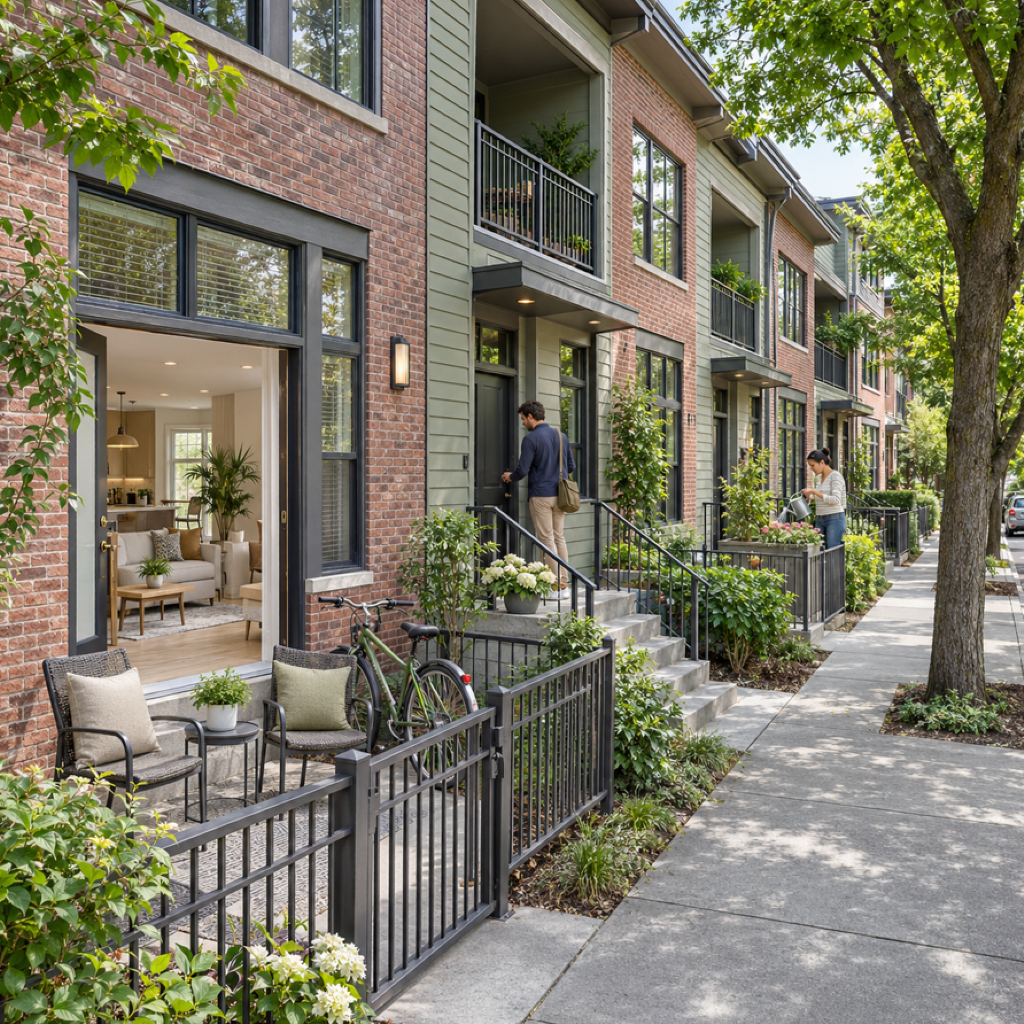
Townhomes are typically multi-story residences sharing at least one wall with a neighboring unit. They come in a variety of layouts, from two-story homes to more expansive designs with extra living space. You’ll often find features such as private entrances, small yards or patios, and attached garages.
Some townhome developments offer single-floor options or “row house” styles, catering to both individuals and families. The internal layout can range from open-concept main floors to separate kitchen and living areas—giving you flexibility to find a space that suits your lifestyle.
How townhomes differ from condos
A key point of confusion is how townhomes differ from condominiums (condos). While both can involve shared walls, townhomes generally give you ownership of both the interior and exterior of your home, including any land or yard attached to the unit. By contrast, condo owners typically own only their unit’s interior, while common areas and exteriors are shared and maintained collectively.
Townhomes may also offer more of a “traditional” home feel, since you often have your own entrance and outdoor space, unlike many condos that use shared halls and elevators.
Why Choose a Townhome Over a House?
Are you weighing townhomes for sale against single-family houses? Here’s how the options can differ for your lifestyle and budget.
Maintenance and lifestyle perks
Townhomes balance personal space with lower maintenance. Many developments include maintenance services like landscaping, snow removal, and exterior repairs in the homeowners association (HOA) fee. This setup reduces the day-to-day upkeep compared to a standalone house, freeing up your time for what matters most to you.
Some communities also include amenities such as pools, playgrounds, or clubhouses, fostering a neighborhood atmosphere and providing a more integrated lifestyle experience. If you appreciate community but want less maintenance, townhomes are worth a closer look.
Ownership structure differences
When you buy a townhome, you typically own both the unit and the land beneath it. This differs from the “airspace only” ownership common with condos and gives you more autonomy over certain aspects of your property, like outdoor improvements (within any HOA guidelines). With a single-family house, you might have more maintenance responsibilities, but also greater independence if that’s your priority.
What Are the Common Myths?
Despite their popularity, several widespread myths can make buyers hesitant about townhomes. Let’s clear those up:
Myth: Townhomes lack privacy
A common belief is that sharing walls automatically means a lack of privacy. Modern townhome construction often uses soundproofing materials and thoughtful layouts to minimize noise transfer between units. Private entrances, patios, and yards also help create a sense of personal space. Your experience will vary by builder and community, so always tour units and ask about construction methods.
Myth: HOA rules are the same everywhere
Many assume that one HOA’s rules apply to all townhome communities, but every association sets its own policies. Some are strict with architectural guidelines or pet limitations, while others may take a lighter touch. Review the HOA’s documents and understand what’s included in the fees to avoid surprises.
Myth: Townhomes are hard to finance
Some buyers worry that lenders view townhomes differently than other property types, but qualified buyers often find the financing process similar to that of single-family homes. While every situation varies, many townhomes meet the criteria for standard mortgage programs. Talking with a mortgage professional early helps clarify requirements and prepare you for the application process.
Key Facts About Townhome Ownership
With myths out of the way, let’s focus on what townhome living actually involves, especially related to costs and long-term value.
Understanding HOA fees
Homeowners association fees are a part of townhome ownership, but what they cover varies widely. Common inclusions are exterior maintenance, landscaping, trash service, and upkeep of shared amenities like fitness centers or swimming pools. Some fees can also cover insurance for the building exterior or certain utilities. It’s crucial to understand exactly what’s included and factor these costs into your budget.
Resale value and appreciation
A townhome’s resale value depends on factors like location, the property’s age, community amenities, and overall market conditions. Well-maintained townhome communities with appealing features tend to hold value and may appreciate over time. However, as with any real estate investment, values can fluctuate. Research recent sales in your target area and consult a real estate professional for up-to-date trends.
Are Townhomes Suitable for Families?
Families considering a move may wonder whether townhomes deliver enough space and community perks to meet their needs.
Space and floor plan options
Townhomes for sale today often offer flexible, spacious layouts: multi-bedroom, multi-bathroom units, finished basements, and private outdoor spaces. Open-concept living areas make it easier for families to gather, while multiple levels allow you to separate spaces when you need privacy for work or study at home.
Community amenities for families
Many townhome communities provide amenities tailored to families—playgrounds, swimming pools, and landscaped walking paths are common. Community events and group activities also help foster a neighborly spirit, giving children chances to play and meet friends without leaving the property.
What Should Buyers Know Before Choosing?
Making a smart purchase means asking the right questions and reviewing each townhouse community’s unique features.
Questions to ask about HOAs
Before committing, ask your agent or the HOA board about:
- The breakdown of HOA fees (what’s covered, what isn’t)
- Rules regarding pets, rentals, and renovation projects
- The financial health of the association (reserve fund levels, upcoming assessments)
- Any recent or planned rule changes that may affect your lifestyle
Reviewing townhouse community features
Tour multiple communities and closely compare amenities, upkeep, neighborhood feel, and security policies. Compare parking availability, green spaces, and access to schools or transit. Reading community reviews and speaking with residents can also provide valuable perspective to support your decision.
Armed with accurate information about townhomes, you can confidently weigh your options. The right property depends on your priorities, but knowing the facts makes it easier to spot real value—and avoid common misconceptions—along the way.