
Key Takeaways
- Research and preparation are crucial for first-time buyers interested in new construction homes.
- Understanding contracts, warranties, and the complete buying process helps future homeowners avoid common pitfalls.
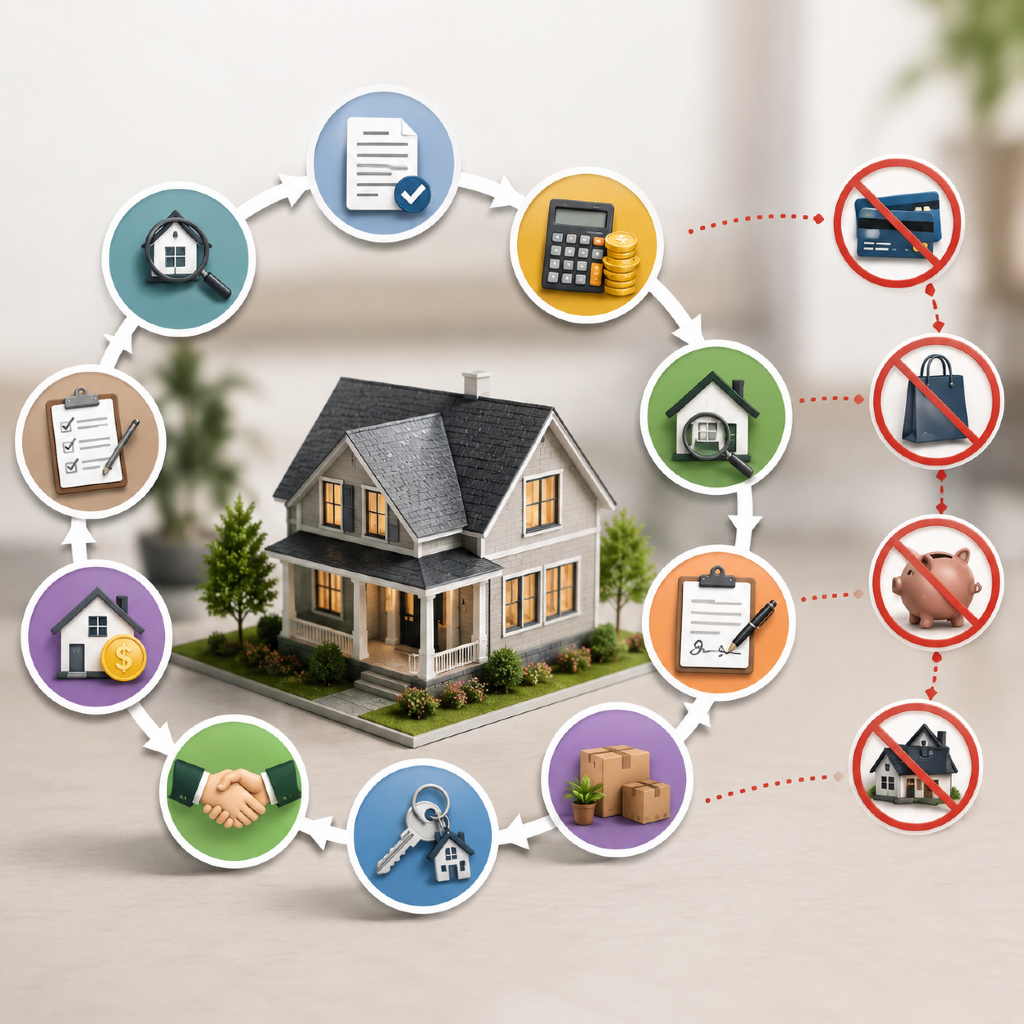
If you are considering buying a home for the first time, new construction homes might seem appealing but are also full of unfamiliar steps. By looking closely at how real buyers navigated this process near you, you can learn which stages to expect, which questions to ask, and how to make informed decisions for your future home.
What Qualifies as a New Construction Home?
Definition and typical features
A new construction home is a property built from the ground up, where you are the first to live there after its completion. These homes usually incorporate the latest building materials and must meet current building codes. Inside, you’ll often find modern layouts, updated finishes, and energy-efficient systems. Since everything is new, maintenance needs at move-in tend to be low.
Types of new construction homes
You’ll encounter different types of new homes:
- Spec homes: Built by developers with common floor plans and ready for quick move-in.
- Semi-custom homes: Allow you to pick from set layouts and personalize design details before the build starts.
- Custom homes: Built to your unique needs and specifications, often requiring more time and planning.
Why Consider New Construction as a First-Time Buyer?
Key benefits of a new build
First-time buyers are often attracted to new builds because of their modern features, updated appliances, and lower initial repair needs. Builders sometimes offer incentives, like covering closing costs or providing appliance upgrades, but these vary and are not guaranteed. New homes also come with builder warranties, adding peace of mind in the first years of ownership.
Are new homes energy efficient?
Most new properties are constructed with the latest standards in insulation, windows, and heating or cooling systems. This means you could see lower utility bills compared to older properties. Many new homes use smart technology and energy-saving appliances, helping you manage costs and environmental impact.
How Did Buyers Find Options Near Them?
Tools for locating new builds
First-time buyers use different online platforms and real estate listing sites to find available new construction homes in their area. Builder websites and local property portals often include details on neighborhoods, floor plans, and available lots. Geographic search features allow you to pinpoint opportunities close to your preferred city, school, or commute.
Tips for touring model homes
When touring model homes, bring a notepad or phone to record your impressions. Examine not just finishes, but also storage, sunlight, and community amenities. Compare several builders and developments in your price range, and consider scheduling private visits for less crowded, in-depth discussions with on-site staff. Always note which features are standard and which are upgrades.
What Steps Did Buyers Take?
Initial research and questions to ask
Successful homebuyers start by listing priorities—such as neighborhood, home size, and school district. They compare different builders, review past property sales, and read online reviews or ratings. It’s smart to ask about:
- Standard vs. optional features
- Build timelines
- Warranty coverage and service protocols
- Homeowners’ association (HOA) fees and rules, if any
Choosing a home builder
Buyers typically reach out to several builders for more details and set appointments to discuss floor plans and available lots. It’s helpful to tour multiple developments before making a decision. Checking a builder’s reputation online and talking to recent homebuyers in the community can provide valuable feedback on quality and service.
What Surprised Buyers During the Process?
Unexpected home buying steps
Many first-time buyers are surprised by the number of steps between signing a contract and moving in. For new builds, you might need to select finishes within a set schedule, attend walkthroughs at key stages, and review construction updates. Weather delays or material shortages can impact timelines, so flexibility is important.
Common first-time buyer mistakes
Some new buyers focus only on price and overlook recurring costs like property taxes, HOA dues, or landscape maintenance. Others may assume all advertised features come standard or forget to read the contract in detail. It’s easy to underestimate the number of required documents and signatures, so keep organized records throughout your process.
Can You Negotiate on New Construction?
Understanding pre-construction contracts
Unlike resale homes, builders use their custom contracts, which outline costs, options, deposit terms, and completion timelines. These documents are legally binding, so review all details with care. While price flexibility is more limited with new builds, you can sometimes negotiate certain upgrades, appliance packages, or closing cost contributions—although nothing is guaranteed.
Included features and possible upgrades
Builders usually advertise a base price that covers the structure, basic finishes, and certain appliances. Popular upgrades may include flooring, countertop materials, lighting, or technology packages. Always get a clear list—preferably in writing—of what is included and which features cost extra. This helps you set a realistic budget.
How Does Financing Work for New Builds?
Basic mortgage financing process
Financing a new construction home generally involves applying for a typical mortgage, but the process may start earlier if you must secure a lot or cover construction deposits. Mortgage pre-approval helps clarify what you can afford and may be needed before signing a builder contract. Some builders have relationships with preferred lenders; however, you are free to shop around for financing.
What to expect with costs
Closing costs, upfront deposits, and change-order fees can add to the final price. Always ask about milestones for payments and how delays might impact your rate or contract terms. Construction loans are rare for standard developments but may apply for fully custom homes. Keep in mind that mortgage rates and approval depend on your credit, savings, and market factors—these can change before your home is finished.
What Do Warranties Cover in New Builds?
Typical new home warranties explained
Builders typically provide a warranty covering the structure, systems (like plumbing and electrical), and finishes. The length and coverage of each warranty level can differ; the most common structure warranty lasts up to ten years, with shorter periods for appliances and finishes. Always read the warranty terms to know what’s protected and what could void your coverage.
What is included in a new construction home?
Most new builds include a completed structure, appliances (sometimes), and landscaping. Features like blinds, fencing, smart systems, or special finishes may be extra. Confirm in your contract which items are standard and request a written upgrade list for anything you consider essential.