Key Takeaways
- Inflation changes real estate dynamics, affecting mortgage rates, buying power, and home affordability.
- Careful evaluation of financial risks and strategic planning can help you navigate buying a home during inflation.
When inflation rises, so do the uncertainties in the real estate market. Whether you’re hoping to buy your first home or looking to upgrade, it’s important to understand how inflation can reshape not only the cost of buying but also your overall financial positioning. This guide walks you through key questions and facts that will help you make informed choices during inflationary periods.
What Does Inflation Mean for Homebuyers?
How Inflation Impacts Real Estate
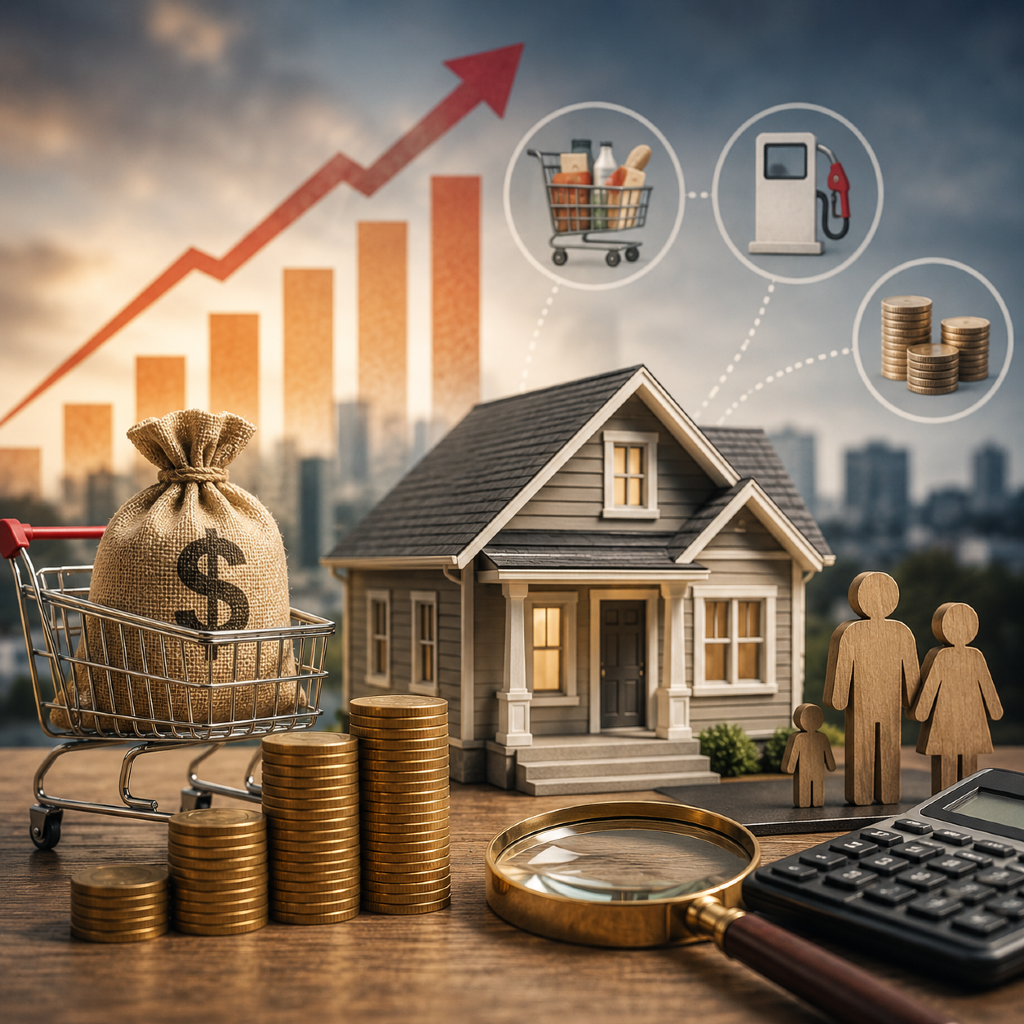
Inflation refers to the general increase in prices across the economy. In the real estate market, inflation can lead to higher home prices as construction materials, labor, and land costs rise. You may also notice increased competition among buyers as people look for stable investments. These trends can affect how quickly homes sell and how aggressive offers need to be.
How Your Buying Power May Change
When prices go up but your income stays the same or grows more slowly, your homebuying budget doesn’t stretch as far. You might find that homes previously within reach could now be out of your price range. It’s important to recalculate your budget and consider how future price increases might influence your buying decision.
How Does Inflation Affect Mortgage Rates?
Understanding Mortgage Rate Fluctuations
Mortgage rates often rise when inflation is higher because lenders want to ensure their returns keep pace with the economy’s changing purchasing power. A seemingly small change in interest rates can result in significantly higher monthly payments. Staying up-to-date with rate trends can help you plan and time your home purchase more effectively.
Why Interest Rates Respond to Inflation
When inflation increases, lending institutions typically raise rates as a way to manage risk and ensure loans generate sufficient profit. This protects lenders from being paid back with money that’s worth less in the future. As a homebuyer, this means you may face higher borrowing costs when inflation is on the rise.
Is Now a Good Time to Buy a Home?
Market Timing Versus Personal Readiness
Trying to pick the “perfect” time to buy can be difficult, especially during inflation. While market trends matter, it’s equally important to focus on your personal situation. Consider your job stability, savings, and long-term goals before making a commitment to purchase a home.
Questions to Ask Yourself Before Deciding
- Can you comfortably afford monthly mortgage payments if rates rise?
- Do you have a stable source of income and a solid emergency fund?
- Are you planning to stay in the area for several years?
- What impact would a change in property values have on your financial wellbeing?
Asking and answering these questions honestly can help clarify if now is the right moment for you to buy.
What Risks Should Buyers Consider?
Potential for Home Value Fluctuations
During inflation, home prices may rise, but they can also become more volatile. While owning can be a good long-term investment, there’s a risk that property values may decline if economic conditions change rapidly. Understanding that prices can fluctuate is crucial to setting realistic expectations.
Budgeting for Increased Living Costs
Beyond the down payment and mortgage, inflation can affect the cost of utilities, property taxes, insurance, and everyday expenses. Make sure to budget for these potential increases, so your home remains affordable and your finances stay on track.
How Can Buyers Improve Home Affordability?
Strategies for Saving on a Down Payment
A larger down payment can reduce your total borrowing cost and monthly payment, helping to offset some impacts of inflation. You might save more aggressively, reduce other expenses, or consider assistance programs if available. Every bit saved for your down payment helps improve your options.
Adjusting Expectations in a Changing Market
Sometimes, it may mean looking at smaller homes, neighboring communities, or properties needing some updating. Flexibility with your wish list can open new opportunities while keeping your purchase within budget. Working with a real estate professional can help you identify options you might have overlooked.
What Questions Should You Ask Your Lender?
Clarifying Loan Terms and Options
Before signing any agreement, ask your lender to explain the details of loan types, repayment schedules, and any potential penalties or fees. Understanding fixed-rate versus adjustable-rate mortgages, and how each responds to inflation, is essential for planning.
Discussing How Inflation May Affect Payments
Request an explanation of how payments could change if variable interest rates increase due to ongoing inflation. Make sure you know the worst-case scenario for your monthly budget, so there are no surprises later. Transparency from your lender is key to making confident decisions.
Can Inflation Create Long-Term Opportunities?
Potential Upsides of Buying During Inflation
Though challenges exist, real estate may still offer stability for your wealth. As home values and rents typically rise over time, owning property can provide you with a potential hedge against long-term inflation. If you lock in a fixed-rate mortgage, your payments can stay consistent even as the cost of living rises.
Building Equity Over Time
Every payment you make on your mortgage increases your ownership in the property. Over years, this equity can become a valuable resource, offering flexibility and future security, even if market fluctuations occur in the near term.
How Else Can Homebuyers Manage Risk?
Diversifying Your Savings
Don’t put all your money into your home purchase alone. Maintain other savings for emergencies, retirement, or investment, so you have options if unexpected costs or market shifts arise. Balance and diversification support long-term financial health.
Staying Informed About Market Trends
Keep learning about the real estate market, mortgage rate expectations, and broader economic signals. Being proactive and staying informed enables you to anticipate challenges and adapt your strategy as needed.