
Key Takeaways
- Home buying apps offer convenient property browsing and mortgage calculation tools but should be supplemented with expert advice for major decisions.
- Not all app listings are up-to-date or fully accurate; always verify listings and data privacy information before relying solely on digital platforms.
Are you considering using a real estate app for your next home purchase? Digital tools can make your property search easier, but it’s important to understand their limitations and benefits. Here’s what you need to know so you can make confident, informed decisions in your home-buying journey.
What Are Home Buying Apps?
How Home Buying Apps Work
Home buying apps are digital platforms designed to help you search for available properties, connect with real estate professionals, and manage aspects of the buying process—all from your smartphone or computer. These tools aggregate property listings from various sources and present them in one place, allowing you to filter by location, price range, home size, and specific features.
Common Features to Expect
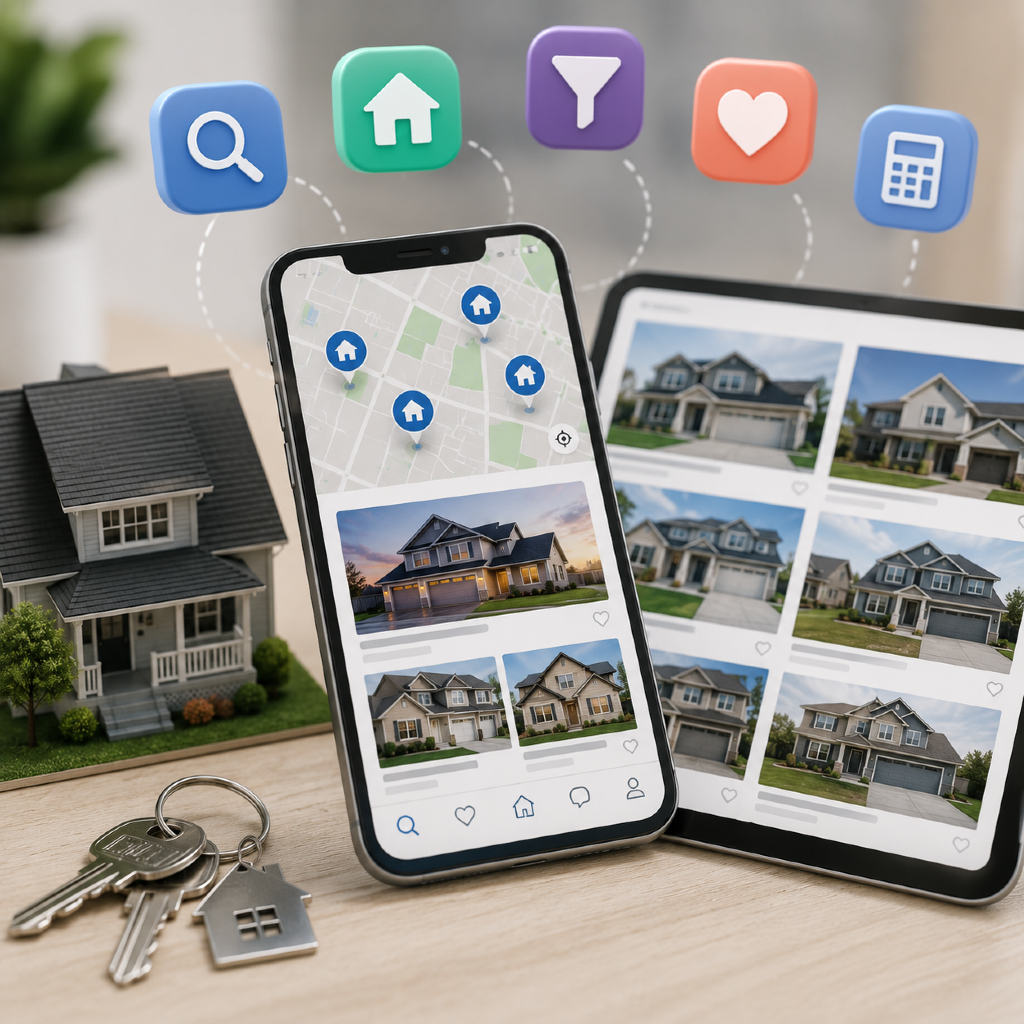
Typically, home buying apps let you search and sort properties using filters such as price, number of bedrooms, and neighborhood. Many offer map views, virtual tours, and the ability to save favorite listings or set custom alerts for new properties. Some also provide financial tools like mortgage calculators and loan estimate comparisons to help you evaluate monthly payments or affordability.
How Can Apps Help Homebuyers?
Exploring Property Listings
You can browse thousands of property listings, view detailed photos, and review descriptions from the comfort of your home or on-the-go. Apps streamline access to up-to-date data, including key property features, location maps, nearby amenities, and open house schedules. This saves time and makes it easier to build a shortlist.
Calculating Mortgage Estimates
Many real estate apps include easy-to-use mortgage calculators. By inputting approximate loan amounts, interest rates, and down payments, you can estimate what your monthly payments might look like. Remember, these are only estimates—actual offer terms can vary based on your financial profile and lender options.
Tracking Market Trends
Some apps offer insights into local market trends, such as recent sales, price movements, or changes in supply and demand. While this data can help you gauge neighborhoods and time your purchase, it’s just one tool—always consider the bigger financial picture.
What Are the Biggest Myths?
Myth: Apps Replace Professionals
A common misconception is that apps can fully substitute for real estate agents, mortgage experts, or legal professionals. While they provide valuable information, digital tools can’t completely replace industry expertise, negotiation skills, or knowledge of local regulations.
Myth: Listings Are Always Current
Many buyers assume every app listing is instantly updated and 100% accurate. In reality, there can be delays in data synchronization. A property you find may already be under contract or sold, especially in fast-moving markets. Always verify details directly with the seller or agent.
Common Misunderstandings Explained
Other misunderstandings include believing app estimates are actual market values or that all app features are free. Some advanced features may require in-app purchases or subscriptions, and property values are always subject to market changes and your personal circumstances.
Key Facts About Home Search Tools
Accuracy of Listings
Apps pull listings from multiple databases, and accuracy can vary. Active listings may occasionally be outdated. Always cross-check critical information through official sources or licensed professionals to avoid disappointment or errors during your search.
Data Privacy Considerations
By using home buying apps, you often provide personal information—from email addresses to preferences and financial details. Always review the app’s privacy policies and look for platforms that use encryption, secure login, and clear data protection practices.
Understanding App Limitations
While digital tools can simplify searching, they aren’t a substitute for in-person viewing, professional inspection, or personalized advice. Certain types of properties may not appear in every app, and some key transaction steps require paperwork and legal review outside of the digital realm.
Which Apps Simplify Home Search?
Popular Home Search App Types
There are several popular types of home buying apps:
- National home search platforms aggregating listings from various regions.
- Local apps focused on specific metro areas or communities.
- Tools integrated with mortgage calculators and real estate news.
Each type has its strengths; the right choice depends on your needs and preferred features.
Features for First-Time Buyers
If you’re buying a home for the first time, look for apps offering educational resources, glossary sections, and simple explanations of buying steps. Some platforms include checklists and budget planning tools to help you organize your search and stay on track.
Accessibility and Usability Insights
A strong home buying app prioritizes user-friendly navigation, high-contrast visuals, clear layouts, and adjustable settings. These features are especially important if you’re browsing on mobile devices or with accessibility needs. Consider apps that allow profile customization and offer multilingual support.
Are All Home Buying Apps Equal?
Evaluating App Credibility
Not all apps are created equally. Evaluate platforms based on their track record, transparency about data sources, and adherence to fair housing principles. Look for frequently updated content and clear contact information or customer support channels.
Reading Reviews Carefully
App store reviews and independent consumer feedback can reveal important details—such as glitches, problems with listings, or customer service strengths. Balance star ratings with thoughtful, in-depth comments to make informed choices.
Security and Data Protection
Verify that any real estate app you use employs secure logins, proper encryption, and gives you control over data sharing preferences. Avoid platforms that request excessive permissions or fail to disclose how they store and use your information.
What Should You Look for in an App?
Ease of Use and Navigation
Choose apps with straightforward menus, intuitive search functions, and minimal clunky pop-ups. The easier it is to find and compare homes, the better your experience will be.
Educational Resources Available
A helpful app should offer guidance on the buying process, mortgage basics, and financial considerations. Look for features like articles, video explainers, and links to unbiased homebuying resources.
Customization and Alerts
Customizable search filters, saved searches, and push notifications ensure you never miss a listing that fits your needs. Prioritize apps that let you set personalized alert criteria and update your preferences any time.
When Should You Supplement With Experts?
Balancing Digital Tools With Human Guidance
While apps expand your access to information, there’s no replacement for personalized advice from real estate, mortgage, or legal professionals. Lean on experts when you’re ready to make offers, negotiate price, or clarify regulatory requirements.
Understanding App Versus Agent Roles
Apps are great for exploring options at your pace. Agents, on the other hand, offer negotiation support, market insights, and guidance through closing. Consider combining both for the most informed and confident approach.
Recognizing Financial and Legal Complexities
Buying a home often involves contracts, disclosures, and major financial commitments. Don’t rely solely on digital tools for these steps—consult qualified experts to ensure you understand the risks and protect your interests.