Key Takeaways
- Understanding affordability and financing options is crucial to buying a home within your budget.
- Being prepared and informed helps you navigate choices, risks, and processes in your home-buying journey.
Buying an affordable home requires more than finding a low price. It’s about balancing your budget, expectations, and the many choices you’ll make along the way. When you understand the factors that shape affordability and follow a thoughtful process, you position yourself for a smoother experience and long-term satisfaction.
What Defines an Affordable Home?
Popular affordability measures explained
An affordable home typically means a property that fits comfortably within your financial limits, without causing financial stress. The most commonly used measure is the 28/36 rule. This guideline suggests you spend no more than 28% of your gross monthly income on housing costs (including mortgage, taxes, and insurance) and no more than 36% on all debts combined. Organizations may also use median-income ratios or regional cost benchmarks to help determine affordability.
How budgets and home prices connect
Your budget is the foundation for identifying an affordable price range. Start by tallying your monthly income, subtracting essentials (like food, utilities, and insurance), and identifying discretionary spending. The total amount left, along with any savings you have for a down payment, helps you estimate what you can comfortably afford for a home. Remember, affordability will shift based on loan terms, interest rates, and the cost of local properties.
Which Types of Homes Are Most Affordable?
Single-family vs. condos vs. townhomes
The type of property you consider has a big impact on both upfront costs and ongoing expenses. Single-family homes often provide more privacy and space but can carry higher price tags and maintenance costs. Condos usually present a lower entry price because you’re buying a unit within a larger building; however, you’ll likely pay monthly association fees for shared amenities and upkeep. Townhomes offer a middle ground—typically less costly than standalone homes, with some of the benefits of single-family living, but possibly with association dues or shared responsibilities.
Location and its impact on price
Home prices vary widely based on location—urban, suburban, or rural settings each influence affordability. In-demand cities often carry higher prices, while homes in smaller towns or less popular neighborhoods can be more accessible for budget-focused buyers. Location also affects property taxes, commuting costs, and future resale value. Balancing your priorities between location and property type will help you zone in on what you can truly afford.
How Do You Prepare Financially?
Understanding credit and savings
Before shopping for affordable homes, it’s important to check your credit score and history. Lenders view strong credit as a signal that you manage debt responsibly, which may open up more favorable mortgage terms. Building a solid savings cushion helps with both the down payment and other unexpected expenses that arise during or after the purchase process.
Budgeting for upfront and ongoing costs
Start by calculating all required up-front costs, such as your down payment, home inspection, appraisal, moving expenses, and closing costs. After moving in, you’ll need to budget for mortgage payments, taxes, insurance, utilities, maintenance, and possible association fees. A clear understanding of all expenses ensures you’re truly prepared, not just for buying, but for owning your new home.
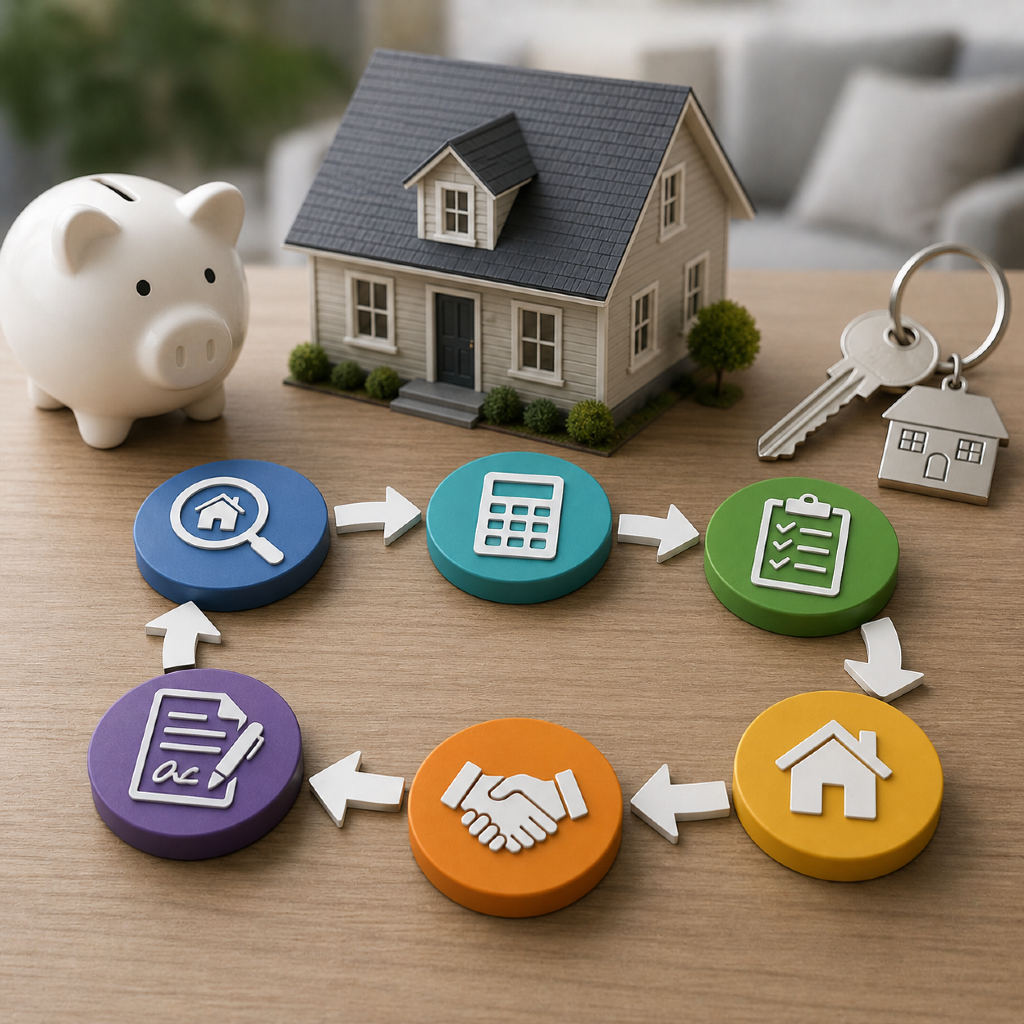
What Steps Should Buyers Follow?
Home search and selection process
First, compile a list of must-haves and nice-to-haves, considering your lifestyle and budget. Use reputable real estate websites, public listings, and local resources to browse properties that fit your criteria. Touring homes (virtually or in-person) helps you compare options and get a feel for what’s available in your price range.
Making an offer and negotiating
Once you find a property that matches your needs and budget, you’ll prepare an offer based on local market data and your financial situation. Negotiation may be required—this could involve price, closing dates, or contingencies like repairs. Stay within your budget, and consider including a pre-approval letter with your offer as added assurance for sellers.
What Financing Options Support Affordability?
Common mortgage types and features
There are several types of mortgages to explore: fixed-rate loans offer stability with the same interest rate for the life of the loan, while adjustable-rate mortgages (ARMs) start with a lower introductory rate that may change over time. Some buyers may qualify for government-backed loans that can make homeownership more accessible, though each program carries its own eligibility requirements and long-term considerations. Always review key features—such as term length, rates, and payment structures—so you’re confident in your choice.
Down payment assistance programs overview
If saving for a down payment is a challenge, explore local and national down payment assistance programs. These may include grants, forgivable loans, or matched savings programs for qualified buyers. Each program will outline specific eligibility factors based on income, location, or first-time buyer status. These resources can help reduce the cash needed upfront, making homeownership more achievable, provided you meet their terms and conditions.
What Risks Should Buyers Consider?
Market changes and financial variability
The affordability of a home can shift over time due to changes in interest rates, property taxes, home values, or personal financial situations. It’s essential to consider how resilient your budget is if expensive surprises arise—like a job change or repair costs. While you can reduce some uncertainties through careful research and planning, it’s wise to maintain a financial cushion even after you close on your home.
The importance of realistic expectations
Approach your home search with clear priorities, but also flexibility. The perfect home at the perfect price is rare—most buyers compromise on some features or location. By staying realistic about what you can afford and focusing on homes that fit your true needs, you reduce stress and set the stage for a sustainable purchase.
Can You Buy a Home Without an Agent?
Pros and cons of self-representation
Buying a home on your own can save you commission fees, but it comes with the added responsibility of managing contracts, negotiations, and due diligence without professional guidance. Self-representation may be more practical if you have experience with real estate transactions or feel comfortable handling paperwork and communication directly with sellers.
When professional help is beneficial
For many buyers, working with an experienced agent provides helpful market insight, negotiation skills, and support through the process. Agents can flag potential pitfalls, help you understand complex documents, and connect you with local resources. While it’s possible to buy a home independently, most first-time buyers find that professional guidance adds clarity and reduces stress.