
Key Takeaways
- Off-market homes offer unique opportunities but require careful research and proactive strategies to find and evaluate them.
- Understanding the realities and possible risks helps you make informed decisions before pursuing off-market real estate options.
If you’ve been house hunting, you might wonder whether properties are selling quietly—without ever showing up on real estate websites. Off-market homes do exist, and exploring them can sometimes uncover hidden opportunities. Here’s what you need to know about finding off-market homes and separating fact from myth.
What Are Off-Market Properties?
Definition and examples
Off-market properties are homes for sale but not advertised on public real estate databases. Instead of appearing on popular listing websites, these homes change hands through private connections, word of mouth, agent networks, or direct owner negotiations. Examples of off-market transactions include a homeowner quietly selling to a neighbor, deals brokered exclusively by real estate professionals for specific clients, or properties marketed within select industry circles without ever reaching the open market.
Why sellers choose off-market
Sellers sometimes list their homes off-market for privacy, speed, or convenience. For instance, they may prefer not to host showings or open houses. Others want to keep the sale private for personal reasons, or they want to test pricing before going public. In certain cases, homeowners need to sell quickly without drawing broad attention, or they may use off-market channels to minimize disruption to their daily lives. Off-market sales can also offer more flexibility in negotiations, as there may be fewer competing buyers.
Why Look Beyond Public Listings?
Potential advantages for buyers
Considering homes not publicly listed can expand your options, especially in competitive markets where public-site inventory is limited. Off-market buying can mean less competition because fewer people know about the property. Some buyers find off-market sales provide more room for negotiation or a faster, more personalized process. For those willing to do extra research, these properties can fill unique needs or offer access to homes that aren’t widely available.
Risks and challenges involved
However, searching for off-market homes comes with its own challenges. You might face limited information about the property, making due diligence even more important. Pricing transparency may be reduced, and comparable recent sales can be harder to find. Off-market transactions may also move quickly, so you may have less time to consider all variables. Sometimes, off-market sellers expect more flexibility or ask for higher prices because the sale is private.
How Can You Find Off-Market Homes?
Networking with local contacts
A strong local network is a valuable asset when searching for off-market properties. Engage with real estate professionals, neighbors, contractors, and even local business owners. Letting people know you’re looking for a home can surface opportunities before they’re publicly announced. You can also attend neighborhood events or join community groups. Many off-market deals begin through simple word-of-mouth connections, so don’t underestimate the power of your personal and professional networks.
Driving for dollars method
The “driving for dollars” strategy involves exploring neighborhoods in person and identifying homes that may not be actively listed. Look for signs of potential seller interest, such as vacant properties, deferred maintenance, or “For Sale By Owner” signs. Jot down addresses and consider sending polite inquiry letters or making respectful direct contact. This proactive approach won’t uncover every off-market home, but it helps you get ahead of online competition and show initiative to potential sellers.
Exploring public records
Local government offices keep records of property transactions, tax delinquencies, and notice of default filings. Scanning these public documents can reveal homeowners who may be ready to sell soon. Common sources include county assessor’s databases, courthouse records, and tax lien lists. While this method takes more time and research, it can open conversations with owners who aren’t yet publicly advertising their property for sale.
What Are Common Off-Market Buying Myths?
Myth: Only professionals can access
It’s a common misconception that off-market properties are reserved solely for seasoned investors or licensed real estate professionals. While industry connections can make discovery easier, individuals and families can also find these opportunities through networking, community engagement, and diligent research. Taking initiative, asking questions, and keeping lines of communication open can open doors to off-market possibilities, regardless of your experience level.
Myth: Deals are always better
Another myth is that off-market properties automatically guarantee a better deal or lower price. In reality, each transaction is unique, and off-market sales reflect the same range of prices and motivations as public listings. Sometimes sellers expect a premium for convenience or privacy. Thoroughly evaluate every opportunity on its own merits, run the numbers carefully, and avoid assuming off-market means “under market value.”
Key Questions Before Pursuing Off-Market Homes
What due diligence is essential?
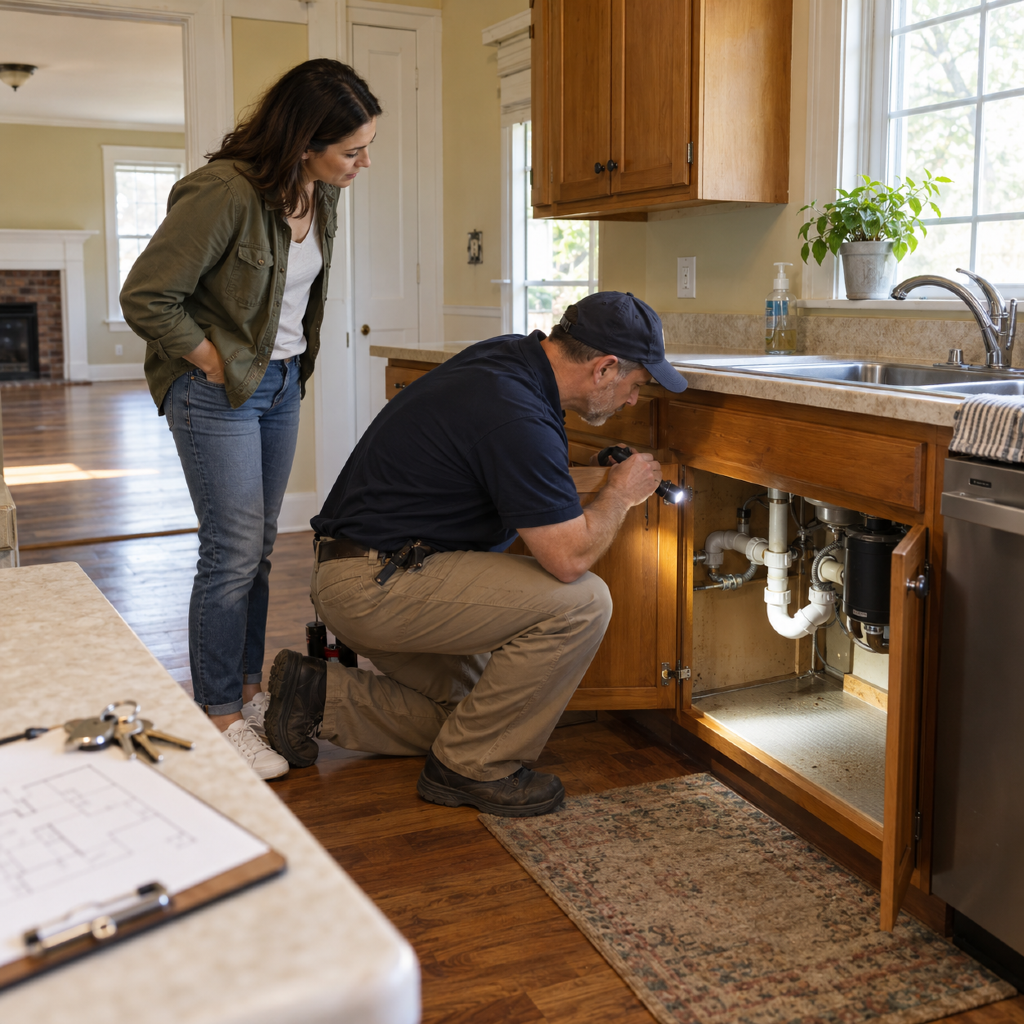
Thorough due diligence is critical for off-market purchases. Start by verifying ownership and confirming the legal right to sell. Arrange for a professional home inspection, and review any available documentation regarding past renovations or repairs. If you decide to proceed, work with experienced professionals to draft the contract, research title, and verify finances. Because off-market sales may lack some standard disclosures found in listed sales, you need extra care to understand the property’s full picture before committing.
How do risks compare to listed homes?
Off-market and on-market home purchases share core risks such as property condition, title issues, and market value uncertainty. However, off-market transactions might lack competitive pricing data or omit the support systems offered through public listings. You assume more responsibility for research and negotiation, so proceed carefully and seek expert guidance as needed. Balancing these risks with potential rewards helps ensure you make a well-informed decision that aligns with your goals.