
Key Takeaways
- Comparing home buying platforms helps you access better features, data, and guidance for your search.
- Verify listing details and connect with real estate professionals to move confidently from online research to purchase.
Today, most homebuyers begin their journey online. Navigating the variety of home buying websites can help you find the right property—and the supporting features, tools, and educational resources you need for a confident purchase. This guide will walk you through the landscape of leading real estate platforms and what you should look out for at every step.
What Are Home Buying Websites?
How platforms support homebuyers
Home buying websites serve as digital hubs where you can begin your search for properties, learn about neighborhoods, and access educational resources about the buying process. These platforms are designed to help you explore available homes from your computer or phone—often with just a few clicks. They can simplify your experience by consolidating listings and information, narrowing your options based on your needs.
Typical services and tools
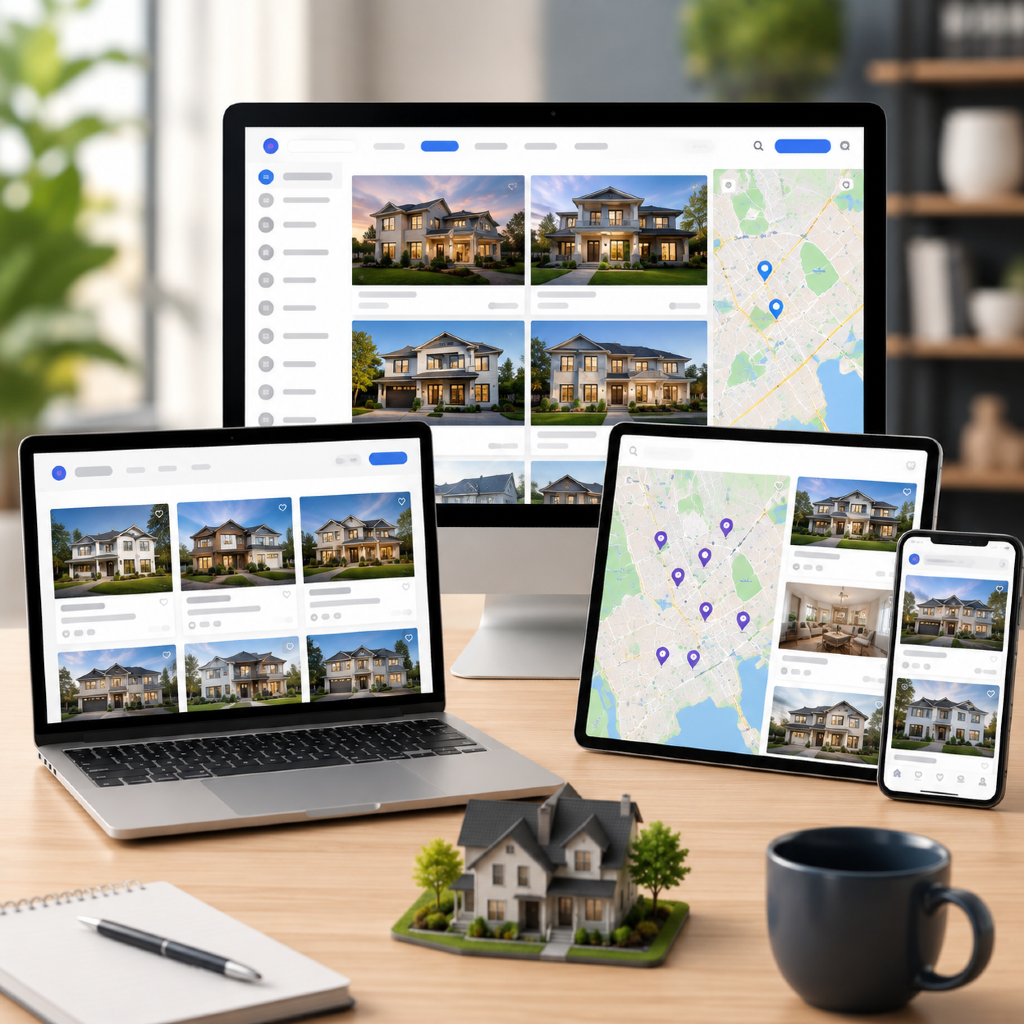
Most real estate platforms offer property search engines, interactive map features, and user-friendly filters that let you specify criteria like price range, location, or property type. In addition to listings, many sites provide neighborhood insights, cost estimates, calculators, and step-by-step buying guides to help you make informed decisions at every stage.
How Do Top Real Estate Platforms Differ?
Website interfaces and user experience
Different home buying websites prioritize ease of use in varying ways. Some feature streamlined search pages with intuitive navigation and clear imagery, while others may have more detailed dashboards and data visualization tools. A good user experience makes it easier for you to save searches, receive real-time alerts about new listings, and view homes of interest in various formats, such as list or map view.
Types of property listings offered
While many websites pull listings from multiple sources, not all platforms offer the same coverage or detail. Some focus primarily on properties for sale, while others include rentals, foreclosures, or new construction. You may also find differences in how recently listings are updated or whether the website offers insights on properties that have recently sold. Understanding these distinctions helps you choose the best site for your particular needs.
Which Features Matter Most to Buyers?
Map search and neighborhood data
Interactive map search tools are a core feature for most buyers, allowing you to see listings in relation to schools, shopping, parks, and commuting options. Access to neighborhood data, including safety scores, local amenities, and demographics, can help you narrow down the right community before visiting in person.
Mortgage calculators and affordability tools
Numerous home buying platforms include calculators that estimate monthly mortgage payments, closing costs, and affordability based on your income. These tools offer a practical starting point so you can focus your search within a comfortable financial range. Keep in mind that these estimates are for guidance only and actual numbers may differ once you consult with a financial or real estate professional.
Can You Trust Website Listings for Accuracy?
How listing data is sourced
Most home buying platforms receive listing data from various feeds, including local Multiple Listing Services (MLS), public records, and contributions from real estate professionals. Data refresh rates and the breadth of listings can vary, so it’s important to understand that availability, photos, and descriptions may not always be perfectly current or comprehensive.
Verifying listing details
Before making any offers or scheduling visits, double-check property details with listing agents or real estate professionals. Look for contact information on the listing page, or confirm property status through multiple sources if possible. Carefully read descriptions, review photos, and, whenever possible, validate the information you see online to avoid misunderstandings or disappointment during your home search.
Popular Home Buying Websites Compared
Highlights of leading platforms
Several well-known home buying websites stand out due to their large inventory, user-friendly design, and robust resources. Many allow you to search by ZIP code, neighborhood, or map area, and offer features such as price history, school ratings, and direct messaging with real estate professionals. Some platforms provide comprehensive market trend data, while others focus more heavily on visual layouts and virtual tours.
Key similarities and differences
Nearly all major platforms offer free property search, saved searches, and email alerts. Where they differ is in the depth of information provided, the integration of mortgage calculators or mobile apps, and the level of neighborhood or market analytics. Some offer robust guidance on the next steps in the buying process, while others focus more on presenting listings and less on educational content.
Pros and Cons of Online Home Search
Convenience and time savings
Searching for homes online saves time and lets you compare hundreds of properties quickly. You can explore new areas, adjust your criteria in real time, and review photographs and floor plans before deciding which homes to view.
Potential limitations or challenges
Despite the benefits, online searches have limits. Not all listings may be up-to-date, and some properties can look different in photos than in person. Relying solely on digital platforms may mean missing out on homes not advertised online or on subtle details best evaluated during an in-person visit with a real estate expert.
What’s the Next Step After Online Search?
Connecting with real estate professionals
Once you’ve identified a few promising properties, it’s a good idea to reach out to a qualified real estate professional. Agents and brokers have access to additional data and can help you interpret listings, schedule showings, and negotiate offers. Their local expertise is invaluable as you move from online searches to the buying stage.
Scheduling property tours and home inspections
After connecting with a professional, arrange tours for your shortlisted properties. Visiting in person allows you to assess the home and neighborhood firsthand. When you’re ready to move forward, scheduling a home inspection is a crucial step to identify potential problems and make informed decisions before finalizing a purchase.