
Key Takeaways
- Understand the essential steps and considerations for purchasing a small starter home.
- Discover how to evaluate affordability and maximize value as a first-time buyer.
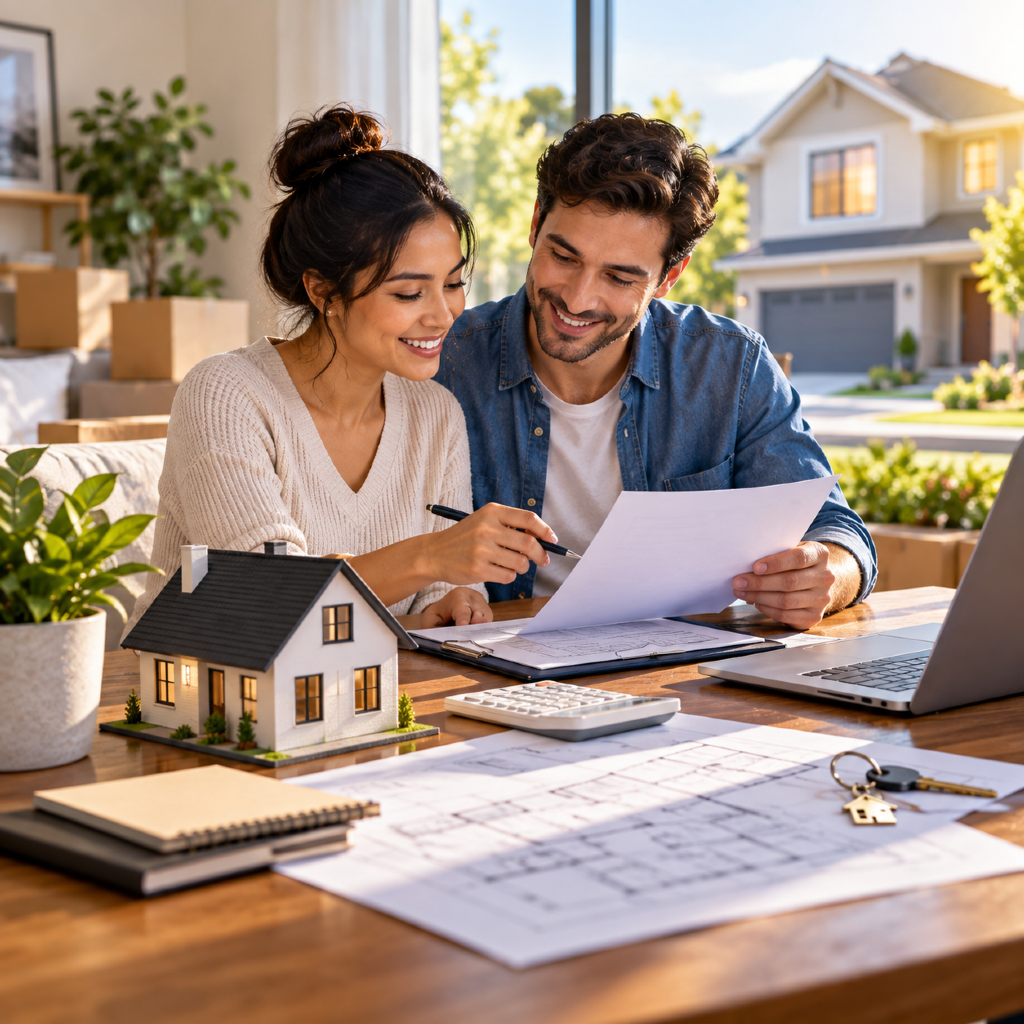
Thinking about taking your first step into homeownership? Small starter homes can be a practical solution if you’re preparing to buy for the first time. This guide will walk you through what to expect, how to find the right fit, and what best practices will position you for a confident purchase.
What Is a Small Starter Home?
Typical features of starter homes
Small starter homes are typically compact, affordable properties designed for first-time buyers, singles, or young families. They often range between 800 to 1,400 square feet and commonly have two or three bedrooms. Expect basic finishes, manageable outdoor space, and sometimes shared community amenities rather than luxury extras. These homes are built for functionality, offering a low-maintenance, cost-effective way to become a homeowner.
How are starter homes different?
Starter homes differ from move-up or forever homes in both size and intent. They tend to require less cash upfront, are easier to maintain, and allow you to enter the market without a large financial commitment. Unlike larger family homes, they may have fewer custom features or upscale upgrades but provide a stepping stone to future real estate opportunities.
Why Consider a Starter Home First?
Advantages of small properties
Choosing a small starter home can help you manage your budget, simplify upkeep, and build equity over time. Smaller homes generally have lower utility bills, property taxes, and insurance costs. This can free up your finances for other priorities or future upgrades. Because they are often in high demand, starter homes can also sell quickly when you’re ready to move up.
Potential challenges to expect
Starter homes do come with trade-offs. You may find space limitations, fewer storage options, or older fixtures. Competition for these homes can be intense, especially in popular locations. It’s important to align your expectations and be ready for a potentially fast-moving market, which means making clear decisions early.
How Do I Find Starter Homes?
Searching online and offline
Start by checking real estate websites and mobile apps, filtering results by price, size, and location. Many local real estate offices post listings online as well. Offline, keep an eye out for neighborhood signs, local classifieds, or word of mouth—community bulletins, and even friends or family can be valuable sources of information.
Identifying trustworthy listings
To avoid scams or misleading advertisements, stick to reputable platforms and ensure you’re dealing with licensed real estate professionals. Look for clear property details, recent photos, and verified contact information. Trustworthy listings will provide a thorough property description, along with details about the seller or agent.
What Should I Look for in a Starter Home?
Essential features checklist
Focus on structural soundness, essential safety features, and functionality. Key areas to inspect include the roof, foundation, plumbing, heating and cooling systems, and the electrical setup. Evaluate the floor plan for your needs—are the rooms, kitchen, and storage spaces practical? Cosmetic updates can be made over time, but major repairs may stretch your budget.
Neighborhood and location factors
Consider your daily commute, access to public transportation, and proximity to schools, workplaces, and shopping. Research local amenities, future development plans, and neighborhood safety. Even in a smaller home, your enjoyment and long-term investment rely heavily on a good neighborhood fit.
How Can I Estimate Affordability?
Budget basics for first-time buyers
Start by reviewing your monthly income, outstanding debts, and total available savings for a down payment and closing costs. Mortgage calculators can provide a quick estimate of what you might afford, but always allow a buffer for unexpected expenses. Many buyers aim to keep housing costs (including loan, taxes, and insurance) to about a third of their gross income.
Understanding ongoing costs
Beyond your initial purchase, budget for ongoing expenses. These include mortgage payments, property taxes, homeowner’s insurance, utilities, routine repairs, and—if applicable—association dues. Tracking these costs helps avoid surprises and maintains your financial comfort.
What Are the Steps in Making an Offer?
Reviewing the purchase process
Once you’ve found a home, the typical process involves submitting a written offer, reviewing disclosures, negotiating terms, and arranging for home inspections. From offer acceptance to the final closing, you’ll handle paperwork, coordinate with lenders, and conduct a final walk-through. Each step gives you opportunities to ask questions and make informed decisions.
How to approach negotiations
It pays to research local sales trends so you can make a realistic offer—not too high, not too low. You may include contingencies, like repair requests or mortgage approval, to protect yourself. Remain respectful and flexible during negotiations; sometimes a little give-and-take on things like closing dates or minor repairs can help the deal go smoothly.
Do Small Homes Hold Their Value?
Resale factors to consider
The resale value of a small starter home depends on location, overall condition, and changes in local demand. While smaller homes tend to remain in demand for first-time or downsizing buyers, economic fluctuations can influence prices and time on market. Staying updated on market trends wherever you buy can help you anticipate future options.
Making strategic improvements
Simple improvements—such as refreshed paint, updated fixtures, or energy-efficient appliances—often yield strong returns. Avoid over-investing in upgrades unlikely to raise the property’s resale value. Consult with local professionals if you’re unsure which improvements offer the best potential payoff.
What Questions Should First-Time Buyers Ask?
Inspection and condition inquiries
Always ask about the age and condition of essential systems—roofing, electrical, plumbing, and heating/cooling. Request information on any recent repairs or renovations. An independent inspection provides a neutral assessment and helps you make a more informed decision about offers and repairs.
Questions about the buying process
Understand what is included in the sale (appliances, fixtures, etc.), the estimated timeline for closing, and any contingencies that might cause delays. Clarify the steps you’ll need to complete, from securing financing to arranging for final walk-throughs. A clear understanding helps ease the transition into ownership.
Frequently Asked Questions About Starter Homes
Common concerns for new buyers
Many first-timers wonder about down payments, credit score requirements, and how long the buying process takes. While every situation differs, being proactive about understanding steps and preparing your documentation is beneficial.
Clarifying property and financing basics
New buyers may also want clarity on property conditions, disclosures, and estimated closing costs. Speak with trusted professionals for details relevant to your situation. Keep in mind that home buying is a commitment; thoughtful preparation and research will help make your experience a successful one.