Key Takeaways
- A detailed, well-structured home buying checklist helps you navigate every step, avoid mistakes, and make informed decisions.
- Adapting your checklist to your personal needs and preferences can lead to a smoother, more organized home buying experience.
Finding your dream home can feel overwhelming—there are so many decisions and steps, it’s easy to miss something crucial. Having a step-by-step home buying checklist gives you confidence, keeps you organized, and helps ensure you stay on track from search through closing.
What Is a Home Buying Checklist?
Purpose of home buying checklists
A home buying checklist is a practical tool designed to guide you through each phase of purchasing a home. Its purpose is to help you track progress, remember important tasks, and make critical decisions with clarity. Whether you’re a first-time buyer or moving again, it provides a structured framework for the journey.
Common items included
Most checklists cover everything from financial preparation and property search, to inspections, offers, and closing steps. Typical items you’ll see include:
- Assessing your credit and budget
- Defining your must-haves and wishes
- Touring homes and evaluating features
- Securing mortgage pre-approval
- Making and negotiating offers
- Arranging home inspection and appraisal
- Completing final walkthroughs and closing paperwork
Why organization is important
With so many moving parts, it’s easy to lose track or skip steps. Well-organized checklists provide peace of mind, ensuring you don’t miss critical deadlines or overlook important documents. Staying organized can also save you time, reduce stress, and support better decisions.
Why Use a Checklist When Buying?
Reduces stress and confusion
Home buying involves a lot of information and rapid decision-making. A carefully crafted checklist breaks the process down step by step, making it more manageable and less overwhelming for you.
Helps avoid common mistakes
Many buyers unknowingly skip vital actions, like reviewing disclosures or setting proper inspection contingencies. Checklists help you systematically address each stage so you’re less likely to make costly missteps.
Supports clear decision making
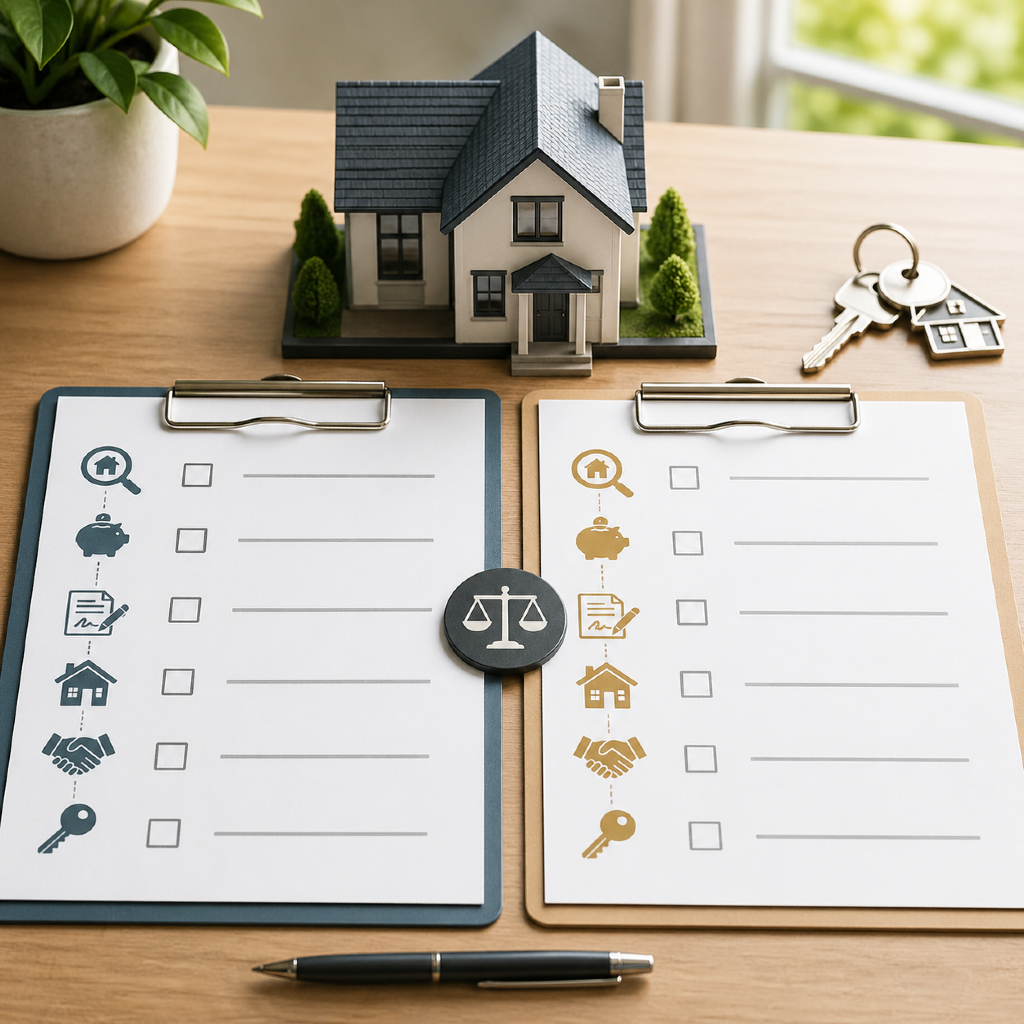
Making informed choices is easier when you know what comes next. Checklists give you a visual roadmap of each milestone, bringing greater confidence and clarity to your home buying experience.
Step 1: Preparing to Buy
Evaluating your financial readiness
Start by closely examining your finances. Review your savings, income, debts, and credit history. Understanding what you can comfortably afford is essential before beginning your search. Many checklists remind you to gather key financial documents at this stage.
Understanding your needs and wants
Identifying your “needs” versus your “wants” clarifies what’s most important in your future home. List must-haves (such as number of bedrooms, location, and accessibility) and nice-to-have features. This focus helps guide your search and shortlist options.
Researching local real estate markets
Explore neighborhoods and real estate market trends in your area of interest. Track average listing prices, recent sales, and inventory levels. This step, commonly found on checklists, ensures you enter your search with realistic expectations.
Step 2: House Hunting Process
Setting a realistic budget
Decide on a price range that fits your financial situation and market conditions. Remember to account for additional costs like property taxes, homeowner’s insurance, and possible repairs.
Touring and evaluating properties
Schedule visits to properties based on your prioritized list. Take notes using your checklist to compare features, flaws, and potential deal-breakers. Photos and a property evaluation template can help during this step.
What to look for during viewings
Use your checklist to evaluate structural integrity, overall condition, neighborhood environment, and amenities. Don’t forget to check for signs of water damage, aging systems, or other potential repair needs.
Step 3: Making an Offer
Writing and submitting offers
Work with your agent—or use your checklist as a guide if you’re self-represented—to draft a clear, complete offer based on comparable properties and your budget.
Negotiating with sellers
Be prepared for counteroffers. Your checklist can remind you to consider terms beyond price, such as contingencies, move-in dates, and included fixtures.
Contingencies to consider
Common contingencies include home inspection, appraisal, and financing. Review each one, and ensure they’re documented in your offer. Your checklist ensures nothing is left out.
Step 4: Home Inspection & Appraisal
Understanding inspections
A professional home inspection gives you insight into a property’s true condition. Your checklist should include a reminder to schedule the inspection promptly and review the report together with your agent.
What happens during appraisal
Lenders typically require a home appraisal to confirm the property is worth the offer price. Checklists help you track when it’s ordered and ensure results meet expectations for your loan.
Addressing issues that arise
If inspections or appraisals reveal issues, your checklist helps you follow up, request repairs, or renegotiate terms before finalizing the purchase.
How Do Checklists Differ?
Customizing for personal needs
Every buyer’s situation is unique. Some may need extra steps for co-buyers, remote purchases, or specific loan types. Customizing your checklist ensures it fits your process and priorities.
Comparing popular checklist formats
There are digital checklist apps, printable templates, spreadsheets, and guides available. Digital tools often allow for reminders and easy updates, while print versions offer tangibility and ease of note-taking.
Online versus printable checklists
Online checklists offer convenience and can be accessed from anywhere. Printable versions let you physically check off items as you move through the process, which some buyers find more satisfying or effective.
Common Checklist Pitfalls to Avoid
Forgetting critical steps
It’s easy to skip steps under pressure. Review your checklist regularly and ask your agent or advisor to help identify missing tasks.
Overlooking financial details
Don’t neglect factoring in closing costs, insurance, taxes, and moving expenses. Capture these in your checklist for a full, realistic financial picture.
Relying solely on digital tools
Technology can fail or sync incorrectly. Having both digital and printed versions, or backing up your checklist, provides extra security and peace of mind.