Key Takeaways
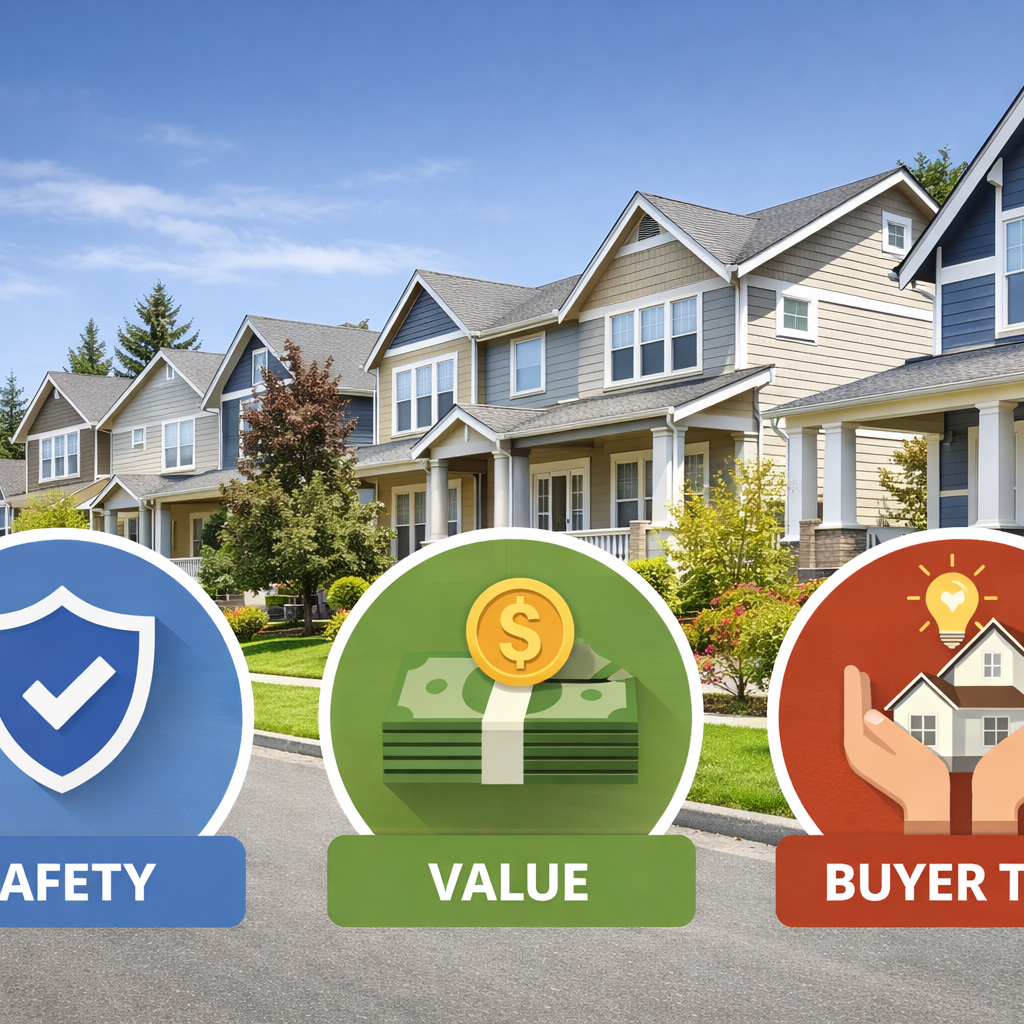
- Prioritize both neighborhood safety and long-term property value when searching for a home.
- Thorough research and understanding your priorities lead to more confident, informed buying decisions.
Choosing the right neighborhood shapes your everyday life and influences your home’s long-term value. If you’re preparing to buy, understanding what makes a neighborhood truly stand out can help you invest wisely, settle in comfortably, and plan for your future.
Why Neighborhood Choice Matters
Impact on daily quality of life
Where you live affects your day-to-day experience far more than just the commute. You’ll notice how the neighborhood feels at night, whether parks and shops are nearby, and if you feel at home when you walk the streets. These everyday factors set the tone for your overall happiness and peace of mind.
Resale potential and long-term value
Your neighborhood’s reputation has a direct impact on property value and how easy it is to sell down the line. Homes in well-regarded areas typically attract more buyers and appreciate more reliably. When you’re ready to move, a strong neighborhood means better options and less hassle.
What Defines a ‘Best’ Neighborhood?
Common criteria used by buyers
Most buyers look at a few major factors when ranking neighborhoods: safety, school ratings, access to amenities, property value trends, and community feel. Proximity to shopping, dining, parks, and public transportation also rank high on the list.
Importance of personal preferences
No two buyers have the exact same needs. You might value easy commutes, while someone else is focused on schools. Take time to clarify what matters most to you and your household before you start narrowing choices.
How Important Is Neighborhood Safety?
Understanding crime reports and data sources
Safety is a top concern for nearly every homebuyer. Reviewing local crime rates from trustworthy sources, such as police departments and online databases, helps you get a clear picture. Note the type and severity of reported incidents so you understand real risks, not just headlines.
Safety factors beyond crime statistics
Numbers don’t tell the full story. Look for elements like good lighting, active neighborhood groups, and well-kept public spaces. Talk with residents, visit at different times, and trust your instincts—community involvement and environmental cues can matter as much as police data.
How to Assess Property Value and Trends
Researching recent sales in the area
Online platforms and public records can show recent sale prices and how quickly homes move in your target area. Pay attention to price changes over time to spot patterns—rising prices may indicate growing demand, while flat or dropping values could signal a slower market.
Evaluating neighborhood growth potential
Check for signs of investment, such as new businesses, infrastructure projects, or upcoming developments. These can point to a neighborhood on the rise, which often supports future home value and resale potential.
7 Neighborhoods with Strong Safety and Value
Neighborhood 1 overview
Located just outside a major metro area, this suburban neighborhood boasts top-rated schools, community parks, and a low crime rate. Home values have steadily increased over the past five years, making it attractive for families and long-term investors alike.
Neighborhood 2 overview
This revitalized historic district combines classic charm with modern amenities. Close to transit hubs and arts venues, it’s known for its friendly block associations and walkability. Market data shows consistent value growth without sharp jumps, reflecting stability.
Neighborhood 3 overview
A newer planned development, this area features well-designed public spaces, walking trails, and a strong neighborhood watch program. Safety and quality of life rank high, and the area has drawn a mix of young professionals and growing families.
Neighborhood 4 overview
An established enclave near major employers, this neighborhood offers diverse housing options and mature trees lining quiet streets. While prices can be competitive, the combination of high demand and reputable schools helps protect your long-term investment.
Neighborhood 5 overview
Popular with commuters, this area offers convenient highway access and reliable public transit links. Grocery stores, gyms, and restaurants are within easy reach. Community programs and a low incident rate make buyers feel at ease.
Neighborhood 6 overview
This up-and-coming district is drawing attention thanks to new parks, expanding retail options, and improved infrastructure. Properties here may offer better initial value, and forecasts point to strong appreciation as amenities grow.
Neighborhood 7 overview
Nestled near a regional hospital and college campus, this friendly, diverse neighborhood features affordable homes, active community events, and solid safety records. It’s a sound option for first-time homebuyers and those seeking lasting value.
What Should Homebuyers Look For?
Schools and access to amenities
Even if you don’t have children, school quality often boosts neighborhood appeal and helps homes hold value. Also, check how close you are to parks, shops, medical care, and entertainment.
Commute times and local services
Long commutes can reduce your free time and add stress. Review routes and typical traffic, and consider public transit options. Easy access to daily essentials, like grocery stores and medical providers, improves convenience.
Community and lifestyle fit
Think about the neighborhood’s pace and culture. Do community events interest you? How do local values align with yours? Spending time in the area, visiting coffee shops, or joining online groups offers a reality check before committing.
Tips for Buying in Your Chosen Area
Questions to ask before making an offer
Ask about upcoming development projects, potential changes in zoning, or planned infrastructure upgrades. Find out how active the homeowners’ association or neighborhood group is. Also, inquire about past issues with flooding, noise, or other concerns.
How to plan for long-term ownership
Consider whether the home and the neighborhood will still suit your needs in five or ten years—think about family size, work changes, and your future lifestyle. Also, review any ongoing costs tied to the property, such as association fees or special assessments.
Are There Risks in Any Neighborhood?
Understanding market variability
No area is entirely risk-free. Markets can change due to shifts in the economy, local industries, or unforeseen events. Stay updated on market trends, and approach any hot neighborhood with a balanced perspective.
Financial considerations and risk factors
Property values can fluctuate, and neighborhood amenities might change over time. Assess your financial readiness for different scenarios, including periods when home prices drop or repair costs come up. Always factor in your long-term budget and the importance of financial flexibility.