Key Takeaways
-
Your remodeling decisions can affect home resale value through changes to layout, comfort, upkeep, and buyer appeal.
-
Before buying a home, look beyond attractive finishes. Check whether past renovations preserve useful space, address hidden problems, and have the required approvals.
Look Beyond The Finished Surface
When you buy a home, fresh paint and updated rooms can make a strong impression. Yet an attractive renovation does not always make a property more useful or easier to sell. Some changes improve daily life. Others create limits that you may only notice after moving in.
To assess home remodeling choices, consider both your needs and those of a future buyer. Look at how each change affects the whole property, rather than judging rooms on their own.
These six remodeling decisions deserve a closer look as you compare homes and plan improvements.
1. Could Changing The Layout Affect Home Resale Value?
An open layout may feel bright and welcoming. However, removing walls can also reduce privacy, storage, and places for furniture. A space that looks large during a viewing may be difficult to arrange around your daily needs.
Before buying, consider how you would move between rooms. Check whether doors, walkways, and furniture positions allow each area to work well.
Pay attention to:
-
Quiet spaces for work, study, or rest.
-
Wall space for furniture and storage.
-
Clear routes through shared rooms.
-
Natural light throughout the layout.
If you plan to remove walls yourself, seek qualified advice about their role in the structure. A successful home renovation should improve flow while keeping the home practical.
2. Could Removing A Bedroom Limit Future Buyer Appeal?
Combining bedrooms can create a larger main suite, dressing area, or private retreat. You may enjoy the extra space, but the change can reduce the home’s flexibility.
When buying a remodeled property, check whether its room arrangement suits more than your current routine. You may need space for guests, work, or changing household needs. Future buyers may also value separate rooms over one large suite.
Consider whether a converted room could return to its earlier use. Look at access, windows, storage, and the placement of permanent fittings. A room that requires major changes to become useful again deserves careful thought.
Avoid assuming that a larger main bedroom automatically improves property value. The balance between shared space and separate rooms matters just as much as size.
3. Are Kitchen Remodeling Choices Practical Enough?
A kitchen can look polished while making everyday tasks awkward. Attractive surfaces may draw your attention away from poor storage, narrow walkways, or fittings that are hard to reach.
When viewing a home, imagine preparing food, putting away groceries, and cleaning up. Check whether the kitchen layout supports these tasks without forcing you to cross the room repeatedly.
Look closely at:
-
Storage near food preparation areas.
-
Doors and drawers that open freely.
-
Useful lighting over work surfaces.
-
Finishes that are easy to clean.
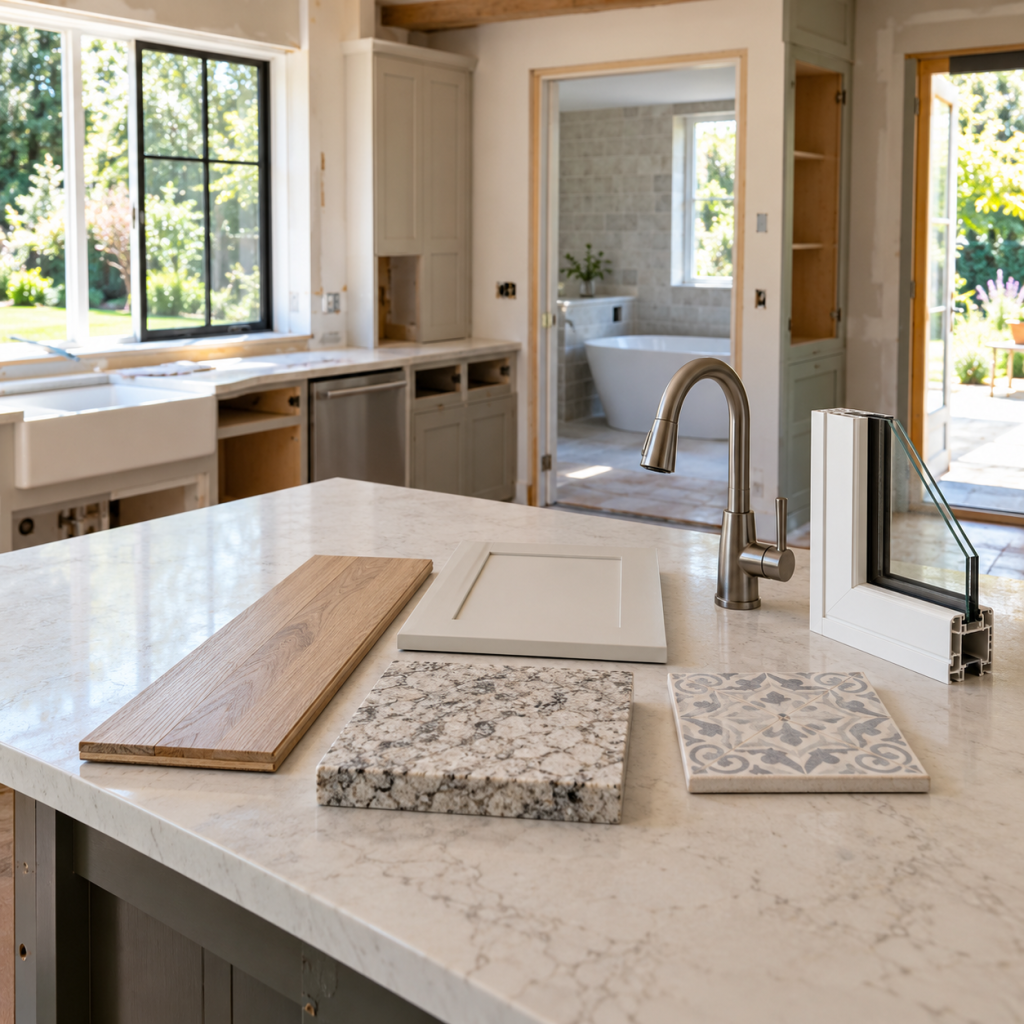
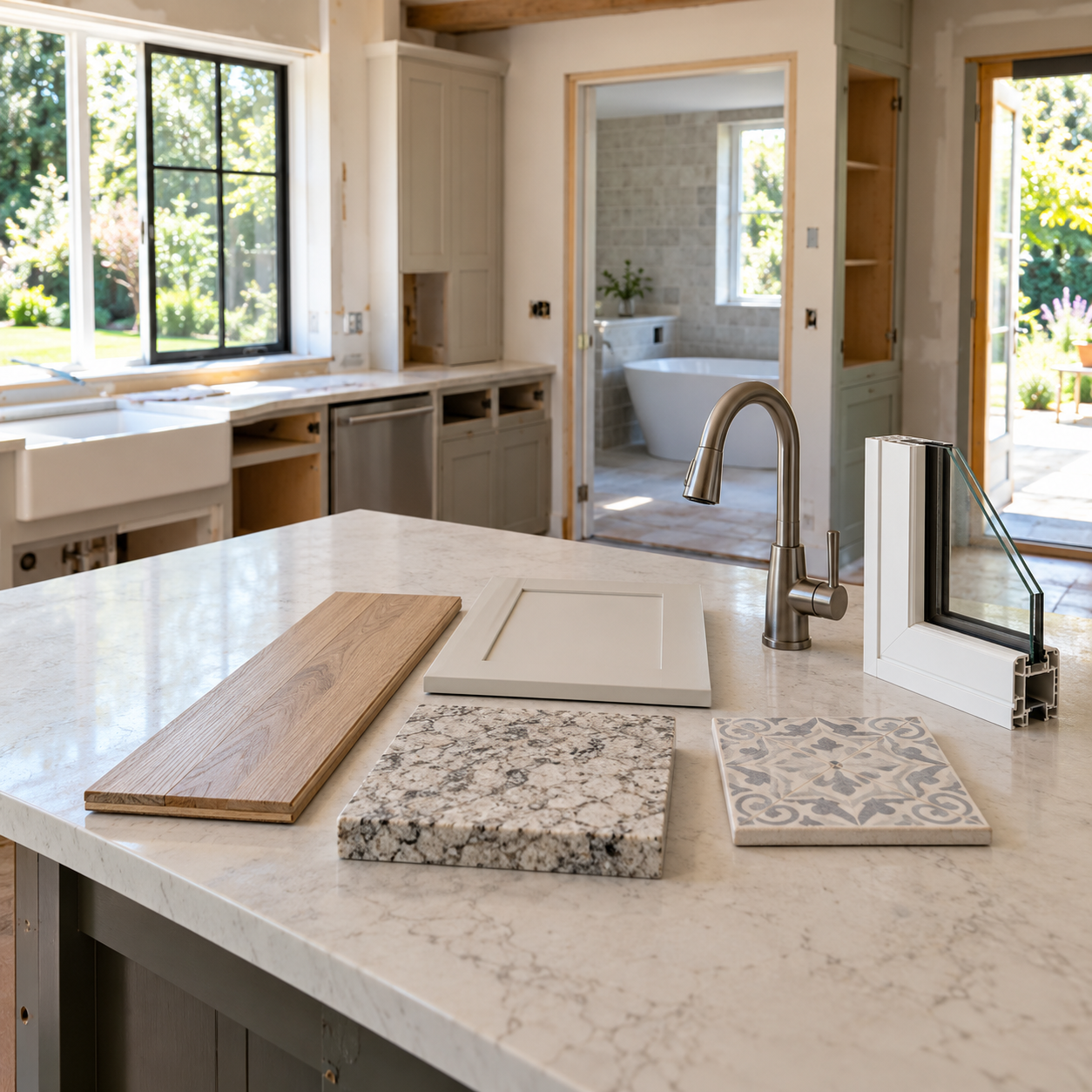
If you plan your own kitchen remodeling project, choose improvements that solve clear problems. Adding features without checking available space can make the room feel crowded.
You should also consider how the kitchen connects with nearby rooms. A well-designed kitchen needs to suit the home around it.
4. Could Bathroom Renovation Choices Reduce Flexibility?
Bathroom renovation involves more than choosing tiles and fittings. The layout, ventilation, privacy, and ease of cleaning all affect how comfortable the room feels.
When buying a home, inspect how the bathroom works. Notice whether there is useful storage and enough space to move. Look for signs of trapped moisture, damaged surfaces, or repairs that may need further assessment.
Be thoughtful about removing a bath or making every bathroom suit the same purpose. Your preferred arrangement may work well for you while offering fewer choices to another household.
A balanced approach gives you comfort without making the space too specialized. Choose simple layouts and accessible fittings where possible. Keep personal style in features that you can change easily, while giving permanent changes more careful thought.
5. Could Personal Finishes Affect Your Home’s Future Value?
Your home should reflect your taste. Still, highly personal choices in permanent features can make it harder for future buyers to picture their own belongings in the space.
As you compare properties, separate easily changed details from built-in features. Paint and furnishings offer different levels of flexibility from flooring, fitted cabinets, and fixed decorative work.
Ask yourself whether each finish fits the property as a whole. Consider texture, care needs, and how well adjoining rooms work together. A striking feature may lose its appeal if it makes the rest of the home feel disconnected.
For your own remodeling decisions, keep a clear distinction between personal touches and permanent changes. You can express your style while preserving a simple foundation that allows the home to adapt.
6. Are Exterior Improvements And Hidden Repairs Being Balanced?
Curb appeal can make a home feel inviting before you enter. However, exterior remodeling deserves the same practical review as work inside.
Check whether landscaping, entrances, and outdoor features allow easy access and manageable upkeep. Attractive planting should not prevent you from inspecting the building or reaching areas that need care.
Look beyond appearance when assessing a renovated home:
-
Ask what repairs accompanied cosmetic work.
-
Review available renovation records.
-
Check whether required approvals were obtained.
-
Arrange an independent inspection.
A fresh surface does not explain the condition beneath it. You need to understand whether the work addressed existing concerns or simply changed the appearance.
When planning improvements, balance visible upgrades with maintenance. A home should feel cared for because its essential parts have received attention too.
How Can You Make Better Remodeling Decisions Before Buying?
Review each renovation in terms of function, flexibility, and condition. Ask what the change improved and whether it created a new compromise elsewhere.
Use your viewing to identify questions, then seek clear answers through records, inspections, and qualified advice. Avoid treating every upgrade as added value simply because it looks new.
Protect Your Home’s Future Appeal
Choose a home whose improvements support comfortable living and leave room for change. Thoughtful remodeling decisions can help you enjoy the property while preserving its appeal to future buyers.
Sign up on this website for more homebuying guidance and practical advice to help you assess your next home with confidence.