Key Takeaways
-
A well-designed floor plan can influence buyer decisions more effectively than overall square footage.
-
In 2025, smart layouts prioritize flow, usability, and adaptability, which makes homes feel larger and more appealing.
The Shift From Size to Layout
In past decades, buyers often placed heavy emphasis on the sheer size of a home. Bigger square footage was seen as directly equating to better value. Today, that mindset is changing. Many buyers recognize that space without thoughtful design often leads to wasted areas that do not enhance daily living. What truly matters is how each square foot is used.
You may find that a smaller home with a smart floor plan feels more comfortable and efficient than a larger home with poorly divided space. The emphasis has moved toward functional design, flow between rooms, and how the home supports your lifestyle.
Why Flow Matters More Than Size
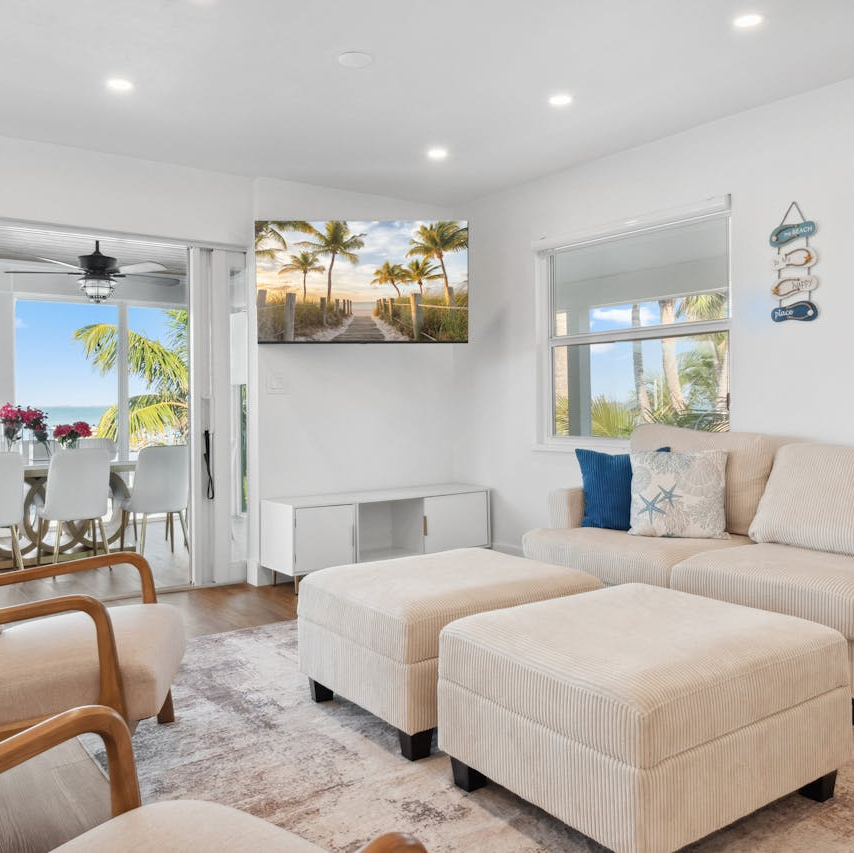
Flow refers to how spaces connect to one another and how you move through them. A floor plan with clear sight lines, logical transitions, and minimal dead space creates a sense of openness, even in homes with moderate square footage. The difference is immediately noticeable the moment you step inside.
-
Open kitchens connected to living areas encourage interaction.
-
Clear pathways reduce congestion.
-
Logical room placement makes daily routines smoother.
This balance between openness and privacy gives a home lasting appeal.
Functional Zones That Win Buyers Over
When a floor plan organizes space into functional zones, it makes everyday living easier. Buyers in 2025 look for homes that separate areas by activity without wasting space.
-
Living Zones: Spaces designed for relaxation and gathering, often centered around kitchens and living rooms.
-
Work Zones: Dedicated offices or flex rooms that can adapt to hybrid work schedules.
-
Private Zones: Bedrooms and bathrooms tucked away from high-traffic areas for rest and retreat.
-
Utility Zones: Laundry areas, storage spaces, and mudrooms that keep clutter controlled.
A home that balances these zones without unnecessary walls or wasted corridors feels practical, livable, and modern.
The Impact of Natural Light
Buyers often underestimate how light affects the perception of space. A well-designed floor plan maximizes natural light through strategically placed windows, skylights, and glass doors. Brightness makes rooms feel larger and more welcoming, while poor light distribution can make even spacious homes feel cramped.
Smart floor plans consider window placement alongside room orientation. South-facing windows, for example, capture more daylight throughout the year. This approach reduces reliance on artificial lighting and creates a sense of warmth that buyers notice immediately.
Open Concept Versus Defined Spaces
For years, open-concept layouts dominated design trends. In 2025, buyers still value open areas but increasingly appreciate defined spaces that allow for privacy and noise control. The balance lies in creating flexible layouts that feel connected while still offering separation when needed.
-
Open kitchens and living areas for entertaining.
-
Sliding doors or partitions that create separation when desired.
-
Strategic furniture placement to define boundaries without full walls.
This balance between openness and definition makes a home feel versatile and adaptable.
Storage: The Hidden Advantage of Smart Plans
Storage is one of the most overlooked elements of floor plan design, yet it directly impacts how large a home feels. Well-placed closets, built-in shelving, and organized utility areas make it easier to keep spaces clutter-free. Without adequate storage, even a home with generous square footage can feel smaller than it actually is.
In 2025, smart storage solutions are not just add-ons but integral to the floor plan. Thoughtful placement ensures storage is convenient without encroaching on living space.
Multi-Use and Flexible Spaces
Modern buyers appreciate homes that adapt to their evolving needs. A spare bedroom that doubles as a home office, a dining room that converts into a study space, or a finished basement that serves as both recreation and storage exemplify flexibility. This adaptability adds value beyond raw square footage.
The demand for flex spaces grew significantly during the early 2020s as remote work increased. In 2025, this demand remains high, making versatile layouts more desirable than ever.
Outdoor Connections in Modern Floor Plans
A home’s connection to outdoor space is now considered essential. Patios, balconies, and sliding doors that extend living areas into the outdoors are powerful selling points. A seamless indoor-outdoor flow can make a moderate home feel expansive.
Even small outdoor areas, when connected logically to indoor spaces, amplify usable square footage and give buyers the sense of more space without requiring additional construction.
Costs and Value Perception
Buyers often compare price per square foot when evaluating homes. However, this number does not reveal how functional the space actually is. A well-designed 1,800-square-foot home may feel larger and more livable than a 2,200-square-foot home with wasted corridors and awkward layouts.
While smart floor plans may slightly increase upfront construction costs, they often deliver higher resale value and faster buyer interest. Efficiency translates directly into perceived value, making these homes more competitive in 2025’s housing market.
The Role of Privacy in Smart Design
Modern buyers prioritize privacy within the home. Thoughtful floor plans separate primary bedrooms from secondary ones, place bathrooms in discreet areas, and design entries that reduce noise flow. These small details add comfort and make a home feel more livable.
Square footage alone cannot deliver this sense of comfort. Only a floor plan designed with privacy in mind ensures lasting satisfaction for residents.
Timelines for Buyer Impressions
First impressions of a home form within minutes of stepping inside. Research shows that buyers often decide whether a home feels right within the first 5 to 10 minutes of a tour. In that short window, layout, light, and flow play a more significant role than size.
By the time buyers complete a full walk-through, they are often visualizing how their life fits within the spaces. If the floor plan feels intuitive, the home stays at the top of their list regardless of square footage.
Smart Floor Plans and Long-Term Lifestyle
A home is not just about today’s needs but also how it supports life over the years. Families consider whether the layout allows for aging in place, growing children, or changing work arrangements. Smart plans that allow for furniture rearrangement, additions, or easy remodeling extend the home’s usability well beyond its initial appeal.
This adaptability means you are not just buying a house but investing in a long-term lifestyle solution.
Technology and Layout Integration
In 2025, technology integrates directly with floor plan design. Smart home systems rely on logical layouts for wiring, Wi-Fi coverage, and appliance placement. A poor floor plan can create connectivity dead zones or limit smart feature usability.
Modern floor plans anticipate these needs by including centralized hubs, strategically placed outlets, and concealed wiring paths. This integration ensures that technology enhances daily life rather than becoming a source of frustration.
Numbers That Matter More Than Square Footage
Instead of focusing solely on total square footage, buyers in 2025 are paying attention to:
-
Bedroom-to-bathroom ratio
-
Closet and storage availability
-
Room proportions and dimensions
-
Window-to-wall ratios for natural light
-
Walkability between key zones
These numbers influence functionality and comfort more than raw size, giving you a clearer measure of a home’s value.
Why Layout Decides Resale Speed
Homes with intuitive, efficient layouts consistently sell faster than larger but poorly planned properties. Buyers recognize usability within minutes, and competition for well-designed homes often drives quicker offers. In a competitive market, the right layout becomes a decisive advantage.
Bringing It All Together
What makes a home feel right is rarely about raw square footage. Instead, it is about how space supports your daily life, adapts to your future needs, and feels comfortable from the moment you walk in. A smart floor plan delivers all of these benefits, making it the true measure of value in 2025.
If you are considering buying a home, focus not just on the size but on the usability of every square foot. For personalized advice tailored to your needs, get in touch with a licensed agent listed on this website who can guide you through the process.