Key Takeaways
-
Modern buyers in 2025 value fresh, updated design elements, and homes with outdated styles are often dismissed immediately.
-
Outdated interior choices can slow down the selling process and reduce a home’s perceived value, making it harder for sellers to compete in today’s market.
Why Outdated Design Choices Stand Out More Than Ever
When you walk into a home, the design instantly communicates whether it feels current or dated. Buyers today are far more design-conscious than in previous decades. The widespread access to home design shows, social media platforms, and real estate listing websites means buyers have developed sharper expectations. They are comparing every property not just to others in the neighborhood, but also to a constant stream of curated images and updated homes online.
The Shift in Buyer Expectations
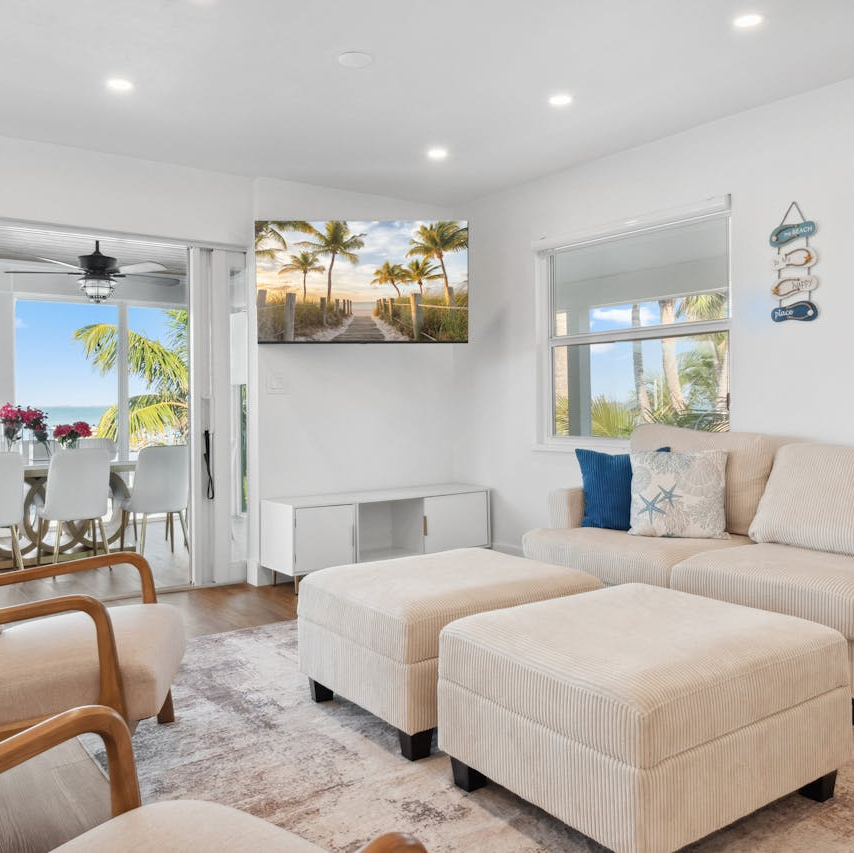
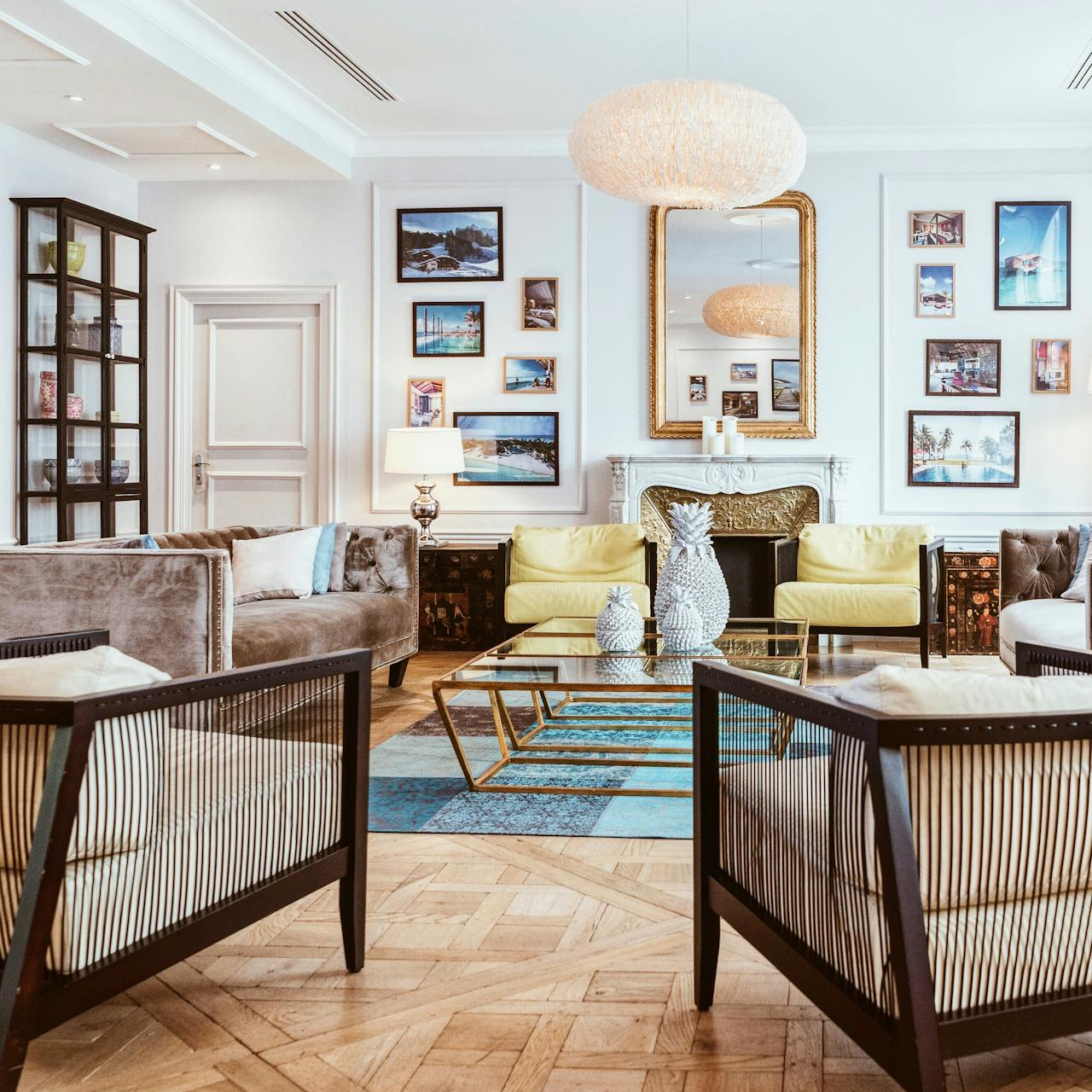
In 2025, buyer preferences are shaped by evolving lifestyles and trends. What was considered stylish ten or fifteen years ago may now feel unattractive or even inconvenient. For instance, heavy finishes, dark cabinetry, and excessive ornamentation were popular in the early 2000s, but today buyers tend to lean toward open, light, and clean aesthetics.
The growing preference for minimalist and functional design means that once-popular elements like bulky built-ins or outdated floor tiles make a home look stuck in the past. Buyers quickly calculate the cost, time, and effort required to modernize such spaces, and often choose to walk away.
How Outdated Design Affects Perceived Value
The effect of outdated design on home value is psychological as much as financial. A home that looks like it hasn’t been updated in years may lead buyers to assume that the rest of the property has been poorly maintained. This perception impacts your ability to command a competitive listing price.
While the structural quality of a home may be solid, old design choices can overshadow it. Buyers often reduce their offer amounts, anticipating renovation expenses. In some cases, they may reject the home entirely if they believe the updates required are too extensive or costly.
Common Design Elements That Push Buyers Away
1. Old Flooring Materials
Carpet in main living areas, linoleum in kitchens, or outdated tile patterns signal an immediate need for renovation. Buyers in 2025 prefer hardwood, engineered wood, or luxury vinyl flooring with a timeless appeal.
2. Dated Kitchens
Kitchens are often the focal point of home tours. Outdated countertops, worn cabinetry, and mismatched appliances make the entire house feel less desirable. Buyers prioritize move-in-ready kitchens that reflect modern layouts and clean finishes.
3. Heavy Window Treatments
Thick drapes and heavy blinds are now seen as restrictive and dated. Natural light is highly valued, and buyers prefer sleek, minimal window coverings that maximize brightness.
4. Out-of-Style Paint Colors
Bold or dark wall colors popular in past decades make rooms feel smaller and outdated. Buyers look for neutral, light tones that provide a blank canvas for their own style.
5. Overly Complicated Floor Plans
Formal dining rooms, segmented living areas, and small enclosed spaces are less attractive in today’s market. Buyers prioritize open layouts that allow flexible use of space.
The Role of Social Media in Design Awareness
Platforms like Instagram, Pinterest, and TikTok are influencing how buyers view design. Exposure to endless streams of styled interiors means that buyers are not only more aware of current trends, but they also expect homes to reflect them. If your property feels significantly older compared to what buyers see online, it becomes harder to attract interest.
In 2025, buyers spend weeks browsing homes virtually before even stepping foot in one. They often eliminate properties with outdated design choices long before scheduling a tour.
The Cost and Timeline Factor
When buyers see outdated design elements, they automatically add the cost of renovations to the purchase price. For many, this shifts the home out of their budget range. Renovations are not only expensive but also time-consuming. Updating a kitchen may take 8 to 12 weeks, while remodeling bathrooms could stretch across 6 to 10 weeks. For buyers eager to move in, these delays make the home less appealing.
Additionally, construction costs have increased compared to 2024, and labor shortages mean extended wait times for projects. Buyers prefer homes that do not require immediate upgrades.
Why Neutral and Modern Choices Sell Faster
Homes with updated, neutral designs have a broader appeal. While every buyer has unique taste, neutral choices avoid alienating anyone. A freshly painted wall in soft gray or a kitchen with simple cabinetry feels like a blank slate. Buyers can easily picture themselves in the space without the distraction of outdated features.
Modern updates also suggest that the home has been cared for and maintained over the years. This reassurance encourages buyers to view the property as a safer investment.
The Emotional Impact of First Impressions
Design is not only about style, it is also about emotion. When buyers step into a home that feels outdated, they experience a sense of disappointment. First impressions are formed in the first few minutes of a tour. If the design feels tired or behind the times, buyers may mentally check out before exploring the rest of the property.
On the other hand, a home with modern choices creates excitement. Buyers feel inspired, making them more likely to make an offer quickly.
Trends Buyers Expect in 2025
-
Open floor plans that maximize natural light
-
Neutral paint palettes in soft whites, beiges, and grays
-
Functional kitchen layouts with energy-efficient appliances
-
Minimalist bathroom designs with clean lines
-
Sustainable and eco-friendly materials
These design elements align with both lifestyle and environmental considerations, making them highly desirable.
Why Sellers Must Adapt Quickly
The real estate market moves fast, and design trends evolve just as quickly. What was trendy five years ago may now be a liability. Sellers who ignore updates risk longer listing times, reduced offers, and even rejection.
Buyers in 2025 are not just looking for a house, they are looking for a lifestyle. Outdated interiors signal resistance to modern living, making homes less competitive.
Preparing Your Home for Today’s Market
If you are planning to sell, consider these steps to make your home more appealing:
-
Refresh walls with neutral paint colors.
-
Replace old flooring with durable, modern options.
-
Update kitchens and bathrooms with simple, clean finishes.
-
Remove heavy window treatments to enhance natural light.
-
Reconfigure spaces, where possible, to create openness.
Even small updates can have a large impact. Replacing outdated light fixtures or refinishing cabinets may make your home feel years newer.
Moving Beyond Cosmetic Fixes
While cosmetic updates are important, buyers also pay attention to functionality. Smart home features, efficient storage, and energy-saving upgrades appeal to the modern buyer. Combining cosmetic and functional updates creates a well-rounded property that buyers are eager to secure.
Staying Ahead of Buyer Rejection
In 2025, the message is clear: homes with yesterday’s design choices struggle to compete. If you want to capture buyer attention, updating design elements is no longer optional. It is a critical part of preparing your home for sale.
Final Thoughts That Matter to You
Outdated design choices are no longer just a minor inconvenience for buyers. They represent added costs, time delays, and frustration. As a seller, you must adapt to today’s expectations if you want your home to stand out. By investing in updates, even small ones, you create a stronger emotional connection with buyers, encouraging faster sales and better offers.
If you are unsure which updates will add the most value, get in touch with a licensed agent listed on this website who can guide you with expert insight tailored to your market.