Key Takeaways
-
Architectural integrity gives a home long-term emotional and financial value by connecting design, craftsmanship, and community character.
-
Homes that stay true to thoughtful design principles tend to appreciate more steadily than mass-produced ones that prioritize speed over soul.
The Quiet Power Of Architectural Integrity
In 2025, many homebuyers are surrounded by new developments where houses look nearly identical. Convenience and modern finishes often take priority over lasting design quality. Yet, a subtle shift is underway. Buyers are increasingly valuing homes that reflect architectural integrity—the consistency between a home’s structure, materials, and purpose. You might not consciously think about it when touring a home, but integrity in design often defines how it feels and performs over decades.
Architectural integrity is more than aesthetic. It is the sum of proportion, craftsmanship, and materials that stand the test of time. When design choices reflect purpose and authenticity, the home gains a timeless quality that is hard to reproduce through shortcuts or trends.
What Makes A Home Architecturally Honest?
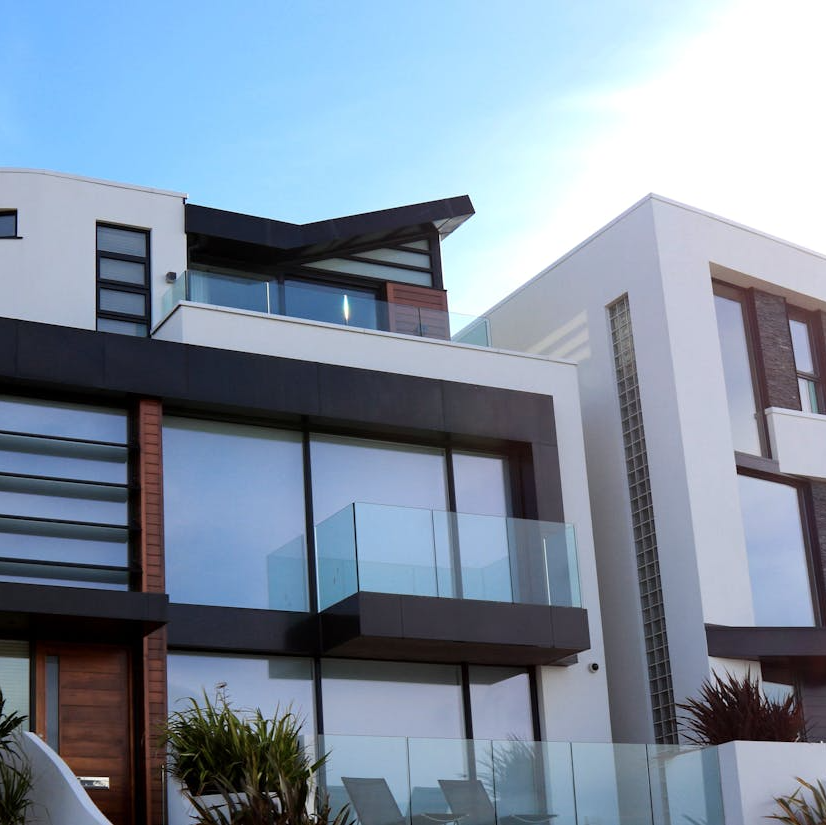
Architectural honesty means the design stays true to its form and function. A brick facade should not just be a veneer; it should feel part of the home’s structure. Rooflines should suit the region’s climate, and materials should match local context. When a home follows these principles, it feels natural, balanced, and enduring.
Signs of architectural honesty include:
-
Proportions that reflect the home’s purpose and climate
-
Material consistency across exterior and interior finishes
-
Details like window frames and roof angles that fit the style, not mimic it
-
Minimal reliance on synthetic or decorative gimmicks to convey luxury
These traits distinguish a genuine home from one designed to imitate an image without substance.
Why The Market Is Shifting Toward Integrity
Over the last decade, buyers often favored square footage, open layouts, and fast delivery over design depth. Developers responded by producing large-scale neighborhoods with limited variation. However, as many of these developments age, subtle flaws appear—poor insulation, awkward flow, or fading facades. By contrast, homes built with structural logic and design consistency tend to age gracefully.
In 2025, more buyers are viewing quality design as a financial asset rather than a luxury. Renovation costs and sustainability awareness have made well-built homes more desirable. Energy efficiency, lower maintenance needs, and aesthetic longevity contribute to higher long-term satisfaction and resale stability.
How Architectural Integrity Influences Value
Integrity adds value because it translates into durability and buyer trust. Homes with architectural coherence often maintain their charm and functionality longer, which supports consistent appreciation. In contrast, homes built for rapid sale may lose appeal after just a few design cycles or when maintenance costs rise.
Three measurable ways architectural integrity affects value:
-
Curb Appeal Longevity: A well-designed home looks current for decades. Buyers sense proportion and balance instinctively, even without technical knowledge.
-
Reduced Depreciation: Homes that use durable materials and logical layouts age more slowly. Repairs and replacements are less frequent.
-
Market Resilience: During slower housing cycles, homes with authentic architectural roots maintain demand due to scarcity and reputation.
Architectural consistency builds confidence, and that confidence shows up in market behavior. A home that looks and feels cohesive sells faster even when trends shift.
What Are Cookie-Cutter Homes Missing?
Mass-produced homes often use repetition as a cost-saving strategy. While they meet building codes, they sometimes sacrifice proportion, scale, or materials to streamline production. The result can feel efficient but uninspired.
You might notice:
-
Identical facades differing only in paint color
-
Layouts that ignore sunlight, airflow, or lot shape
-
Decorative features that serve no structural role
-
Interior finishes chosen for speed rather than harmony
These homes can initially attract attention through affordability or novelty, but their long-term emotional and resale value often fades faster. Without architectural grounding, they risk blending into the background of countless similar neighborhoods.
How To Identify Homes With Strong Architectural Integrity
You do not need to be an architect to recognize integrity in design. You just need to pay attention to proportion, purpose, and material coherence.
When evaluating a home, look for:
-
Unified Design Language: The exterior, layout, and finishes should align with one architectural style rather than mix multiple unrelated ones.
-
Quality of Craftsmanship: Pay attention to transitions—where walls meet ceilings, how doors fit their frames, and how materials join. Precision indicates care.
-
Authentic Materials: Real wood, stone, or brick convey permanence. Synthetic substitutes can mimic the look but often lack durability.
-
Natural Light and Flow: Rooms should feel intuitive and well-proportioned, not awkwardly shaped to fit trends.
Ask your agent or inspector about the builder’s approach, not just the amenities. Design integrity starts with intent.
How Design Integrity Affects Neighborhood Character
Architectural integrity does not exist in isolation. When several homes in a community share thoughtful design standards, they collectively define the neighborhood’s identity. This cohesion influences both social and financial stability.
Neighborhoods with strong architectural character often experience:
-
Higher pride of ownership
-
More consistent property upkeep
-
Stronger resistance to market downturns
When every home respects the visual rhythm of its surroundings, the area develops a sense of place. This unity enhances curb appeal and builds emotional connections among residents.
How Builders Can Regain Trust Through Design
For builders, the focus on integrity represents both a challenge and an opportunity. In 2025, buyers are better informed and more selective. Developers who return to craftsmanship and thoughtful design can stand out in a crowded market.
This means:
-
Using region-appropriate materials instead of uniform kits
-
Incorporating passive design principles for comfort and efficiency
-
Balancing aesthetic appeal with structural honesty
-
Ensuring every architectural choice has purpose beyond appearance
Builders who prioritize these values can earn long-term reputations that attract discerning buyers and stable investments.
Why Architectural Integrity Aligns With Sustainability
Design integrity naturally complements sustainable construction. A home that is well-oriented, efficiently insulated, and built with honest materials consumes fewer resources over time. Instead of replacing finishes every few years, owners enjoy lasting performance.
In 2025, sustainability is not just about energy ratings; it is about longevity. A house that stays functional and beautiful for decades creates less waste and lower emissions. Integrity, therefore, becomes both an ethical and economic advantage.
The Emotional Impact Of Design That Endures
Architectural integrity influences how a home feels to live in. Well-designed spaces promote calm, comfort, and identity. When proportions make sense and light moves naturally, daily routines feel smoother.
Homes lacking coherence can feel subtly unsettling—too cramped, too echoing, or visually cluttered. Over time, this affects how much pride and joy you derive from living there. Emotional satisfaction reinforces perceived value, turning architecture into a silent contributor to well-being.
Investing In Homes That Stand The Test Of Time
Architectural integrity has become a quiet form of long-term investment. While style trends evolve, balance, proportion, and honest materials never lose relevance. Homes that embody these qualities appeal to both present and future buyers who seek depth beyond surface features.
If you are evaluating a property today, take time to look past fixtures and finishes. Consider how design choices reflect intention. A licensed agent listed on this website can help you assess not just market metrics but also design quality—a factor that increasingly separates lasting homes from forgettable ones.