Key Takeaways
-
A skilled home inspector identifies hidden issues that could cost you thousands after closing, helping you make confident buying decisions.
-
The inspection report is a negotiation tool and safety net that protects you from long-term maintenance surprises.
Why Home Inspections Matter More Than Ever
Buying a home is one of the biggest investments you will ever make. Even when a house looks perfect, there may be hidden structural, electrical, or plumbing issues waiting to surface later. That is where a great home inspector becomes your best partner in the process. In 2025, with aging housing inventory and rising repair costs, a detailed inspection is not optional; it is essential.
A professional inspection gives you a full picture of the property’s condition. It helps you decide whether to move forward, renegotiate the price, or request repairs before closing. Beyond that, it gives you peace of mind that your purchase is safe, sound, and worth your investment.
What Does a Home Inspector Actually Do?
A home inspector is trained to evaluate the major systems and components of a property. They typically examine:
-
Foundation and structure: Cracks, uneven floors, or settling issues.
-
Roof and exterior: Shingles, gutters, flashing, and drainage systems.
-
Electrical systems: Wiring, panels, and outlets for safety or code compliance.
-
Plumbing: Pipes, water pressure, leaks, and drainage.
-
HVAC systems: Heating, ventilation, and air conditioning performance.
-
Appliances: Built-in systems like dishwashers, ovens, and water heaters.
-
Interior features: Walls, ceilings, doors, windows, and insulation.
Inspectors also check for visible signs of mold, pest damage, or water intrusion. They summarize all findings in a written report that usually arrives within 24 to 48 hours after the inspection.
When Should You Schedule a Home Inspection?
The best time to hire a home inspector is immediately after your offer is accepted but before finalizing the contract. Most purchase agreements include an inspection contingency period, usually lasting 7 to 10 days. This window allows you to review the property thoroughly and decide how to proceed based on the results.
If the inspection uncovers major issues, you can:
-
Request repairs from the seller.
-
Ask for a price reduction to cover repair costs.
-
Withdraw your offer without penalty, depending on your contract terms.
Acting promptly ensures you stay within your inspection timeline and avoid delays in closing.
How Do You Choose the Right Inspector?
Not all inspectors have the same level of training or experience. Choosing the right one can mean the difference between catching critical issues and missing them. Here is what to look for:
-
Credentials: Verify state licensing, certification, or professional memberships like ASHI or InterNACHI.
-
Experience: Ask how many inspections they perform each year and whether they specialize in your property type (condo, new construction, older homes).
-
Sample reports: Reviewing a sample report helps you see how detailed and clear their findings are.
-
Insurance coverage: Confirm they carry errors and omissions insurance for added protection.
-
Reviews and reputation: Look for consistent positive feedback and reliability.
Hiring a qualified professional usually costs a few hundred dollars, but the protection it provides can save you thousands in repairs later.
What Should You Expect on Inspection Day?
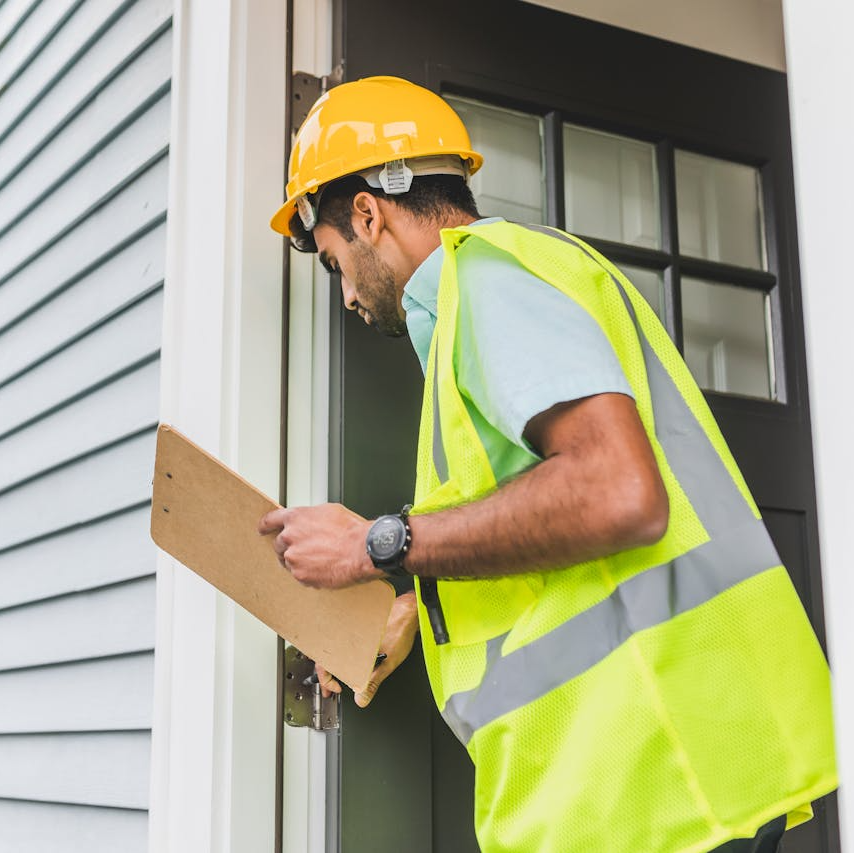
A typical inspection takes two to four hours, depending on the property’s size and condition. You should plan to attend the inspection if possible. Walking through the home with your inspector helps you understand the findings firsthand.
Here is what usually happens:
-
Exterior check: The inspector begins by walking around the property to review the roof, siding, foundation, and grading.
-
Interior review: They move inside to test electrical systems, plumbing, appliances, and heating or cooling units.
-
Documentation: Photos and notes are taken throughout the process for the final report.
-
Verbal summary: Before leaving, the inspector may provide an overview of their main findings and potential concerns.
Once the report is complete, review it carefully. Use it as a reference to discuss necessary repairs with your agent or the seller.
How Should You Read the Inspection Report?
The inspection report is often lengthy but extremely valuable. It includes photos, descriptions, and ratings for every system inspected. Most reports categorize findings by severity:
-
Minor maintenance issues: Normal wear and tear you can address later.
-
Moderate concerns: Repairs that may require attention soon.
-
Major problems: Immediate safety or structural issues that affect the home’s value.
You should discuss major findings with your real estate agent or a licensed contractor. Together, you can determine whether to renegotiate, request seller credits, or plan for post-purchase repairs.
Why a Great Inspector Can Save You Money
A skilled inspector can uncover problems that would otherwise go unnoticed, such as foundation settlement, roof leaks, or electrical hazards. Addressing these issues before closing helps prevent financial surprises later.
For example:
-
Identifying roof problems could save you thousands in water damage repairs.
-
Spotting faulty wiring prevents safety risks and potential fires.
-
Detecting plumbing leaks early can avoid mold or structural deterioration.
The upfront cost of an inspection is small compared to the savings and protection it provides.
Can You Use the Report to Negotiate?
Yes. The inspection report is one of the most powerful negotiation tools during a home purchase. If the report lists significant repairs or safety issues, you can:
-
Ask the seller to fix specific items before closing.
-
Request a price reduction to handle the repairs yourself.
-
Ask for closing cost credits to offset expenses.
Your agent will help you present these requests strategically, ensuring you stay within the agreed inspection timeline and maintain a strong position.
Should You Get Specialized Inspections?
Sometimes, a standard inspection may not cover every risk. Depending on the property’s location and age, you may need extra assessments such as:
-
Radon testing: For elevated gas levels in certain regions.
-
Termite inspection: Especially in warmer or wooded areas.
-
Sewer scope: To check underground pipes for blockages or damage.
-
Mold or air quality testing: If there are signs of moisture or odor issues.
-
Pool and spa inspection: To verify condition and equipment safety.
Specialized inspections add cost but provide deeper insight into hidden problems. They are particularly valuable for older or high-value homes.
What Happens After the Inspection?
Once you receive the report, you will meet with your real estate agent to review the findings. Together, you will decide whether to move forward, renegotiate, or withdraw from the deal. If you choose to proceed, the next steps usually include:
-
Finalizing any agreed-upon repairs.
-
Completing your mortgage and insurance requirements.
-
Preparing for closing day.
By the time you close, you will have a clear understanding of your home’s condition and future maintenance needs.
Why a Home Inspector Is Your True Partner in the Process
A great home inspector does more than evaluate a house; they protect your investment, your safety, and your long-term peace of mind. Their expertise helps you make confident decisions, plan for future maintenance, and avoid costly surprises.
If you are buying a home in 2025, hiring a reliable and experienced home inspector should be one of your first steps. To ensure you are fully supported through the process, contact a licensed agent listed on this website for personalized guidance and referrals to trusted inspection professionals.