Key Takeaways
-
Buyers often pick up on subtle design trends without consciously realizing it, which influences their perception of a home and its value.
-
Paying attention to understated but current design features can make your home stand out in today’s competitive market.
The Hidden Influence of Subtle Design Trends
When you walk into a home, you immediately form an impression. That impression is not only about location, size, or price but also about details you may not consciously notice. Small design cues, colors, finishes, and layouts can trigger emotions and judgments that shape whether you view a home positively or negatively. These design shifts often evolve year by year, and in 2025, buyers are picking up on them faster than ever.
How Buyers Process Design Without Realizing It
You process spaces quickly, often within seconds of stepping inside. Subtle design trends act as psychological triggers:
-
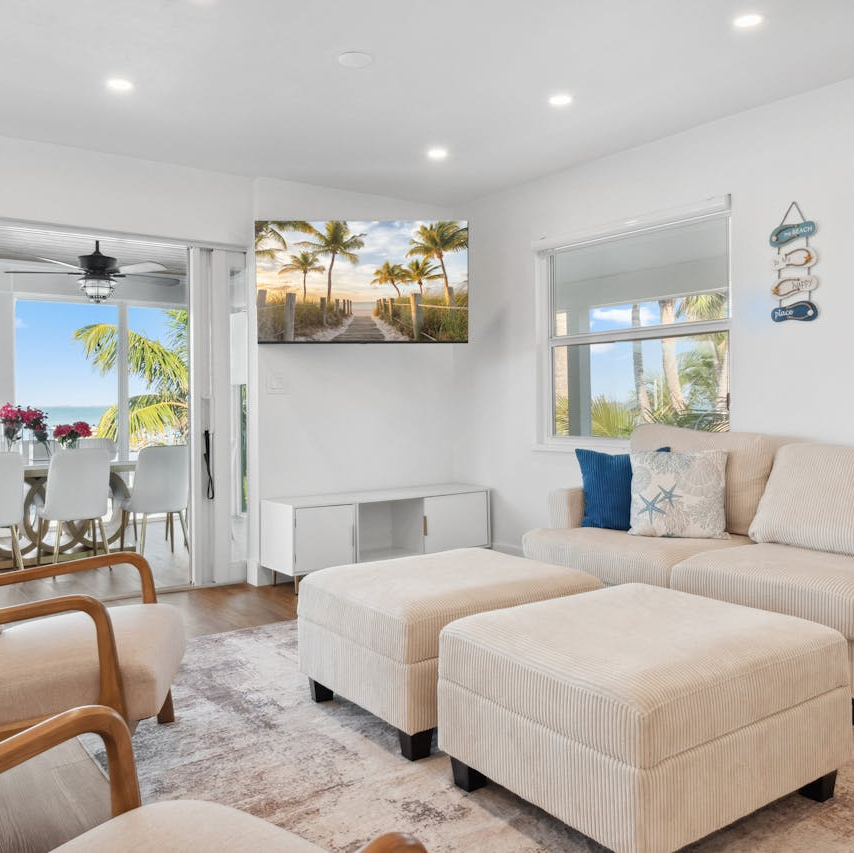
Color palettes: Neutral yet warm tones convey freshness and modernity without overwhelming the senses.
-
Lighting choices: Strategic use of natural light and layered artificial lighting makes rooms feel welcoming.
-
Materials and textures: Matte finishes, natural stone, and organic fabrics suggest quality and timelessness.
Even if you cannot pinpoint why, these design elements contribute to whether you see a home as desirable.
The Rise of Natural and Sustainable Design
Sustainability is no longer just a buzzword. In 2025, homes incorporating natural elements and eco-friendly finishes hold higher appeal. Subconscious cues include:
-
Wood tones and recycled materials
-
Energy-efficient windows and insulation
-
Indoor plants integrated into design features
These touches make you feel that the home is both current and future-focused, even if you do not explicitly evaluate its sustainability credentials.
Subtle Minimalism Over Flashy Luxury
In the past, bold designs and ornate finishes were common selling points. Now, buyers lean toward minimalism that balances simplicity with livability. The absence of clutter, clean lines, and strategic open spaces make a home feel more flexible. You might not notice the specific design choices, but you sense calm, order, and balance.
The Power of Transitional Spaces
Hallways, entryways, and in-between rooms are often overlooked, but subtle design upgrades here make an impact. Smooth transitions, coordinated flooring, and consistent paint choices create a sense of flow. You may not dwell on these areas, yet they stitch the home together and leave a lasting impression.
Technology Integrated Without Obvious Presence
Modern buyers expect homes to be connected, but they do not want to see bulky tech installations. Subtle design hides technology within everyday life:
-
Built-in speakers instead of visible sound systems
-
Charging stations blended into furniture
-
Smart thermostats with discreet interfaces
You may not actively recognize these features, but you experience the comfort and convenience they provide.
The Emotional Role of Light and Shadow
Lighting trends in 2025 are focused on subtle layering. Homes designed with varying light intensities and natural flow create emotional depth. You might simply feel comfortable in the space without realizing the designer carefully balanced:
-
Accent lights to highlight architectural features
-
Dimmable ceiling lights for mood control
-
Window placements for optimal daylight
These small adjustments shape mood and functionality more than you consciously realize.
Durability as a Silent Trend
Beyond aesthetics, buyers notice durability without thinking about it. Solid doors, smooth cabinetry, and long-lasting surfaces create subconscious trust. If you touch a handle and it feels sturdy, or if a countertop feels substantial, you walk away with a sense of value. Even if you cannot name the material, you recognize quality.
Shifts in Color Psychology
Every few years, color trends shift subtly. In 2025, muted earth tones paired with accent colors are prominent. These shades provide emotional grounding and create a sense of stability. You may not actively compare wall colors, but certain palettes make you feel at ease or energized. Colors guide your perception before you even think about layout or finishes.
The Understated Role of Acoustics
Quiet spaces feel calmer and more private. Good insulation, soft materials, and strategic room layouts absorb noise. Without realizing it, you notice the difference between a home where sound carries harshly and one where it is softened. Acoustics matter in living rooms, bedrooms, and even bathrooms, shaping comfort levels.
Timeframes of Shifting Trends
Design trends move in cycles, often lasting between 5 to 10 years. For example:
-
2000s: Heavy use of bold colors and ornate finishes.
-
2010s: Neutral palettes, open floor plans, and stainless steel dominance.
-
2020s: Warmer tones, sustainability, minimalism, and integrated technology.
In 2025, buyers notice when homes feel aligned with the present rather than the past. A home that looks even slightly dated can reduce buyer confidence, even if the structure is sound.
Kitchens and Bathrooms as Silent Trendsetters
You may believe buyers focus on location or square footage, but kitchens and bathrooms carry outsized influence. Subtle design choices in these spaces define a home’s appeal:
-
Cabinet finishes and hardware that suggest modernity
-
Tile patterns that balance classic and contemporary
-
Lighting that emphasizes cleanliness and function
These rooms act as benchmarks, signaling the overall care and thought put into the home.
Outdoor Integration as an Expectation
Homes that blur the line between indoor and outdoor living feel modern and desirable. Sliding glass doors, extended patios, and garden views subtly extend perceived space. Without consciously noting it, you feel more connected to the property and nature. This design approach has been gaining traction since 2020 and is highly influential in 2025.
Why Buyers Care About What They Don’t Realize
The subconscious impact of design matters because it accelerates decision-making. Buyers often walk into two homes of similar size and price, but one simply feels right. That feeling is rarely random. It is the accumulation of subtle design details influencing mood, trust, and comfort.
Final Impressions That Stay With You
When all these subtle elements come together, they create a home that feels modern, welcoming, and worth investing in. As a buyer, you may not consciously list every feature, but you carry away impressions that influence whether you make an offer. If you are preparing to buy or sell in 2025, paying attention to these subtle cues can make the difference between hesitation and confidence.
If you want tailored advice on how design details shape value, consider reaching out to a licensed agent listed on this website. Their insight can help you evaluate homes not just by the numbers but also by the silent signals design communicates.