Key Takeaways
-
Buying a new home or improving your current one both come with hidden costs that many buyers overlook until they are already committed.
-
Considering timelines, recurring expenses, and long-term maintenance helps you make a more realistic comparison between buying and improving.
The Realities of Cost Beyond the Purchase Price
When you decide whether to buy a new home or improve your current one, it is easy to focus on the headline numbers. A purchase price or a contractor’s estimate may seem straightforward, but both options hide layers of expenses that surface only once you are further along in the process. These costs can alter your budget significantly, and recognizing them ahead of time ensures you are not caught off guard.
Hidden Costs When Buying a Home
Purchasing a new home often feels like a fresh start, but the financial impact extends well beyond your mortgage. Some overlooked costs include:
-
Closing Costs: Settlement charges, recording fees, and legal expenses typically add thousands of dollars upfront.
-
Moving Expenses: Even a local move requires trucks, labor, and potential storage fees. Long-distance relocations add even more.
-
Furnishings and Appliances: Rarely does a new home fit your old furniture perfectly. Buying new pieces or upgrading appliances is common.
-
Property Taxes: These may rise depending on your new neighborhood or reassessment schedules.
-
Insurance Adjustments: Premiums vary with location, home size, and risk factors like flood zones or fire hazards.
-
Immediate Repairs or Updates: Even homes listed as move-in ready may require painting, landscaping, or utility adjustments.
Overlooked Costs of Home Improvements
Improving your current home may appear less disruptive, but the hidden costs often surprise homeowners:
-
Permit Fees: Depending on the scope, permits for construction, electrical, or plumbing add up quickly.
-
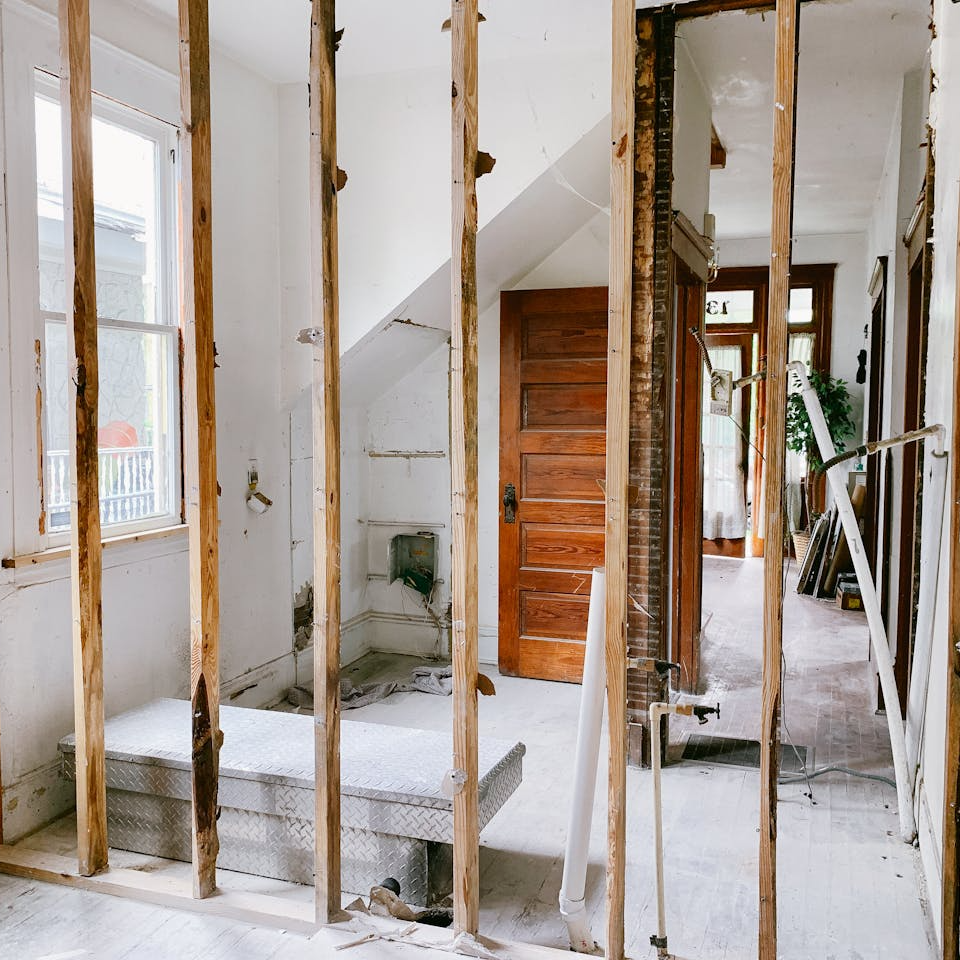
Unexpected Repairs: Opening up walls or floors can reveal hidden damage that drives costs higher.
-
Temporary Housing: Major renovations may force you to rent elsewhere for weeks or months.
-
Disruption Costs: Living through construction impacts productivity, daily routines, and sometimes income if you work from home.
-
Utility Bills: Construction often increases electricity and water usage temporarily.
-
Maintenance After Upgrades: High-end finishes, landscaping, or additions may require ongoing care.
Long-Term Financial Considerations
Short-term costs are only part of the equation. Each path has long-term financial consequences you should consider in 2025:
-
Equity Growth: Buying in a desirable area may increase your equity faster than adding a new room in your existing neighborhood.
-
Resale Value: Renovations may not recoup full value. National averages suggest many improvements return only 50% to 70% at resale.
-
Taxes Over Time: Relocating to a higher-tax area means your annual budget increases indefinitely, while property tax reassessments after renovations can also raise costs.
-
Insurance Costs: Larger homes or major additions increase coverage requirements and therefore premiums.
-
Maintenance Timeline: A brand-new home may delay big-ticket replacements like roofs or HVAC, while an older home requires ongoing investments regardless of improvements.
The Role of Timelines and Duration
Time matters as much as money. When deciding between buying or improving, consider how long each path takes and how it affects your life:
-
Buying a Home: From mortgage pre-approval to closing, the average timeline ranges from 30 to 60 days. Adding house hunting can extend it to 3 to 6 months.
-
Renovating a Home: Small projects may finish within a few weeks, but larger renovations often last 3 to 9 months. Delays from permits, supply shortages, or contractor schedules are common.
Both timelines carry hidden opportunity costs. Waiting months for renovations may stall lifestyle improvements, while months of house hunting can feel equally disruptive.
Emotional and Lifestyle Costs
Financial considerations are not the only hidden costs. Stress, disruption, and lifestyle shifts carry real value:
-
Stress of Moving: Packing, adjusting to new schools, and leaving familiar routines weigh heavily on families.
-
Stress of Renovating: Dust, noise, and constant decision-making can stretch patience thin.
-
Community Impact: Moving changes your social network and commute, while renovating keeps you rooted but may not solve issues like neighborhood amenities.
Evaluating the True Total Cost
To get a realistic picture, consider all categories of cost together:
-
Upfront Costs: Closing fees vs. permits and demolition.
-
Transition Costs: Moving expenses vs. temporary housing.
-
Recurring Costs: Property taxes, insurance, and maintenance.
-
Opportunity Costs: Time, stress, and disruptions.
-
Long-Term Value: Appreciation potential and equity growth.
Creating a side-by-side projection across these categories gives you a much clearer view of what each option really costs over 5, 10, or 15 years.
Making an Informed Choice in 2025
Your decision depends on aligning financial realities with lifestyle priorities. In some cases, buying provides a stronger long-term financial return, while in others, targeted renovations create value and stability without the upheaval of moving. By looking past the surface numbers, you make a choice that holds up not just this year but well into the future.
Bringing Your Decision Into Focus
Weighing overlooked costs is about more than just money. It is about balancing financial discipline with personal comfort and long-term planning. If you feel uncertain about which option fits your situation, reach out to a licensed agent listed on this website. They can help you analyze the details, compare scenarios, and avoid surprises that could derail your budget.