Key Takeaways
-
Property valuations are influenced by subtle, often overlooked variables that go beyond simple market comparables.
-
Understanding these hidden factors helps you make smarter buying decisions and better anticipate a property’s long-term value.
Beneath the Surface of a Home’s Value
When you think about what determines a home’s value, you probably picture recent sales of similar properties nearby. While comparable sales, or “comps,” play a central role in appraisals, they are not the whole story. Many unseen variables work quietly in the background, shaping a property’s true worth. These factors may not appear in listings or market reports, but they can make a meaningful difference in both the appraised value and your negotiation strategy.
How Appraisers View Beyond Comparables
Appraisers do not rely on comps alone. They analyze a complex set of data points that reflect a property’s quality, condition, and surroundings. This evaluation includes physical, environmental, economic, and regulatory aspects that help determine how desirable and stable a home’s value is likely to remain.
If two homes have similar square footage, location, and features but differ in how they age, how they are maintained, or where they sit relative to infrastructure, their values can diverge significantly.
The Physical Attributes You Might Miss
Physical condition is more than cosmetic. While most buyers focus on finishes and upgrades, appraisers examine structure and systems.
-
Foundation and structure: Even minor cracks or uneven settling can signal expensive future repairs.
-
Roof and drainage: Homes with poor drainage or outdated roofs often lose value faster.
-
Energy efficiency: Insulation, HVAC performance, and window quality now hold greater weight in 2025 appraisals due to rising energy standards.
-
Layout functionality: Modern appraisers assess how usable the space is, not just how large it appears.
These details are rarely highlighted in market comps but can change an appraiser’s judgment of long-term stability and risk.
Environmental and Location Factors That Add or Subtract Value
Where a home sits on its lot, how it interacts with local geography, and what lies beyond its boundaries all quietly influence valuation. These location-based variables often go unnoticed by buyers until an appraisal brings them up.
-
Elevation and drainage: Homes positioned lower than nearby properties can face runoff problems, reducing value over time.
-
Proximity to environmental risks: Flood zones, soil stability, and even tree density can affect insurability and desirability.
-
Noise and light exposure: Homes near major roads, airports, or industrial zones might look affordable but appraise lower due to long-term livability concerns.
-
Views and orientation: Even slight differences in view angles or sunlight exposure can impact appraised value by several percentage points.
Appraisers use GIS tools, satellite imagery, and zoning databases to identify these subtleties, giving them more influence than a quick neighborhood comparison.
The Power of Municipal and Zoning Influences
Zoning and local government policies exert long-term pressure on property values. These are not visible in comps but have measurable impact.
-
Zoning restrictions: A property in a zone with strict building limits might have less renovation or expansion potential.
-
Pending zoning changes: New infrastructure, schools, or commercial districts can increase future value if planned responsibly.
-
Tax assessments and local fees: Rising property taxes or special assessments can make one side of a city far less desirable than another.
Keeping track of local ordinances and public planning announcements gives you an edge in anticipating value shifts before they appear in market data.
Economic Health and Employment Trends
While the national economy influences housing broadly, local employment dynamics can quietly shift valuation patterns.
-
Industry concentration: Towns that rely heavily on one employer or sector can see rapid value swings if layoffs or expansions occur.
-
Commuting patterns: A shorter average commute time, especially with improved public transport, adds measurable value in 2025’s mobility-driven markets.
-
Population stability: Areas with balanced growth—neither shrinking nor expanding too fast—tend to sustain values better than speculative boom regions.
Even when comps look strong, appraisers discount value in regions showing signs of economic decline or unstable job bases.
Timing, Seasonality, and Market Cycles
Valuations can vary depending on the time of year or point in a market cycle. While these shifts are cyclical, they influence how your appraisal aligns with real buying conditions.
-
Seasonal demand: Appraisals during spring often run higher because of increased buyer activity, while late-year appraisals may be more conservative.
-
Interest rate environment: In 2025, higher borrowing costs have softened price momentum, prompting appraisers to emphasize stability rather than peak pricing.
-
Inventory levels: When supply exceeds demand, even high-quality properties may appraise lower relative to recent peaks.
Being aware of market timing can help you plan when to buy or refinance for optimal appraisal outcomes.
Subtle Neighborhood Dynamics
Neighborhood factors play a powerful but understated role. Appraisers now use granular data such as household turnover, average time on market, and code violation frequency.
-
Maintenance consistency: A street where every homeowner maintains their property signals value stability.
-
School district trends: Even if schools remain unchanged, shifts in ratings or enrollment can affect perception and therefore value.
-
Demographic mix: Age diversity, income levels, and ownership rates create demand profiles that impact how stable a neighborhood feels to appraisers.
Appraisers blend quantitative data with qualitative judgment to gauge whether a location shows upward momentum or potential decline.
The Psychological Factor: Buyer Perception and Market Sentiment
In real estate, perception often becomes reality. Appraisers consider how typical buyers would view a home’s desirability, which shapes its market appeal.
-
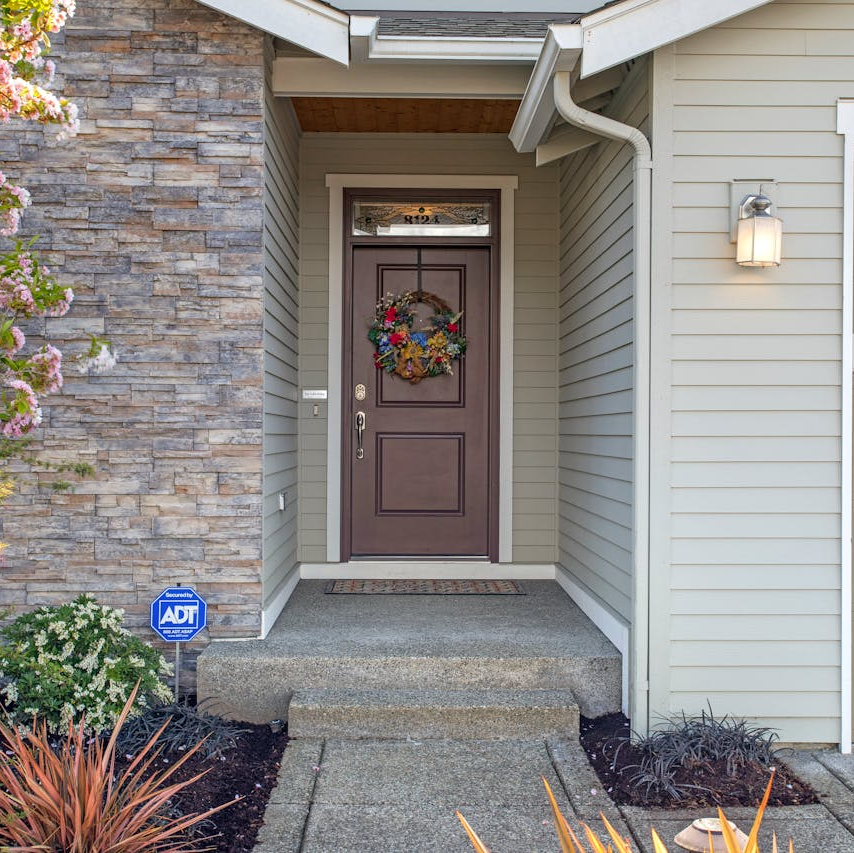
Curb appeal: Landscaping, symmetry, and upkeep influence emotional response and perceived worth.
-
Neighborhood reputation: Even unverified rumors about safety or noise can depress perceived value.
-
Market mood: If local media or online discussions frame a neighborhood as “up and coming” or “declining,” appraisers may factor that sentiment into their adjustments.
Understanding perception dynamics helps you assess how emotional value translates into measurable appraisal differences.
How You Can Use These Insights as a Buyer
Knowing these hidden variables gives you a clearer sense of what lies beneath a listed price. When reviewing a home, go beyond the comparable sales report. Ask questions about foundation history, local zoning changes, environmental conditions, and community development plans. These details can justify negotiation adjustments or confirm long-term investment confidence.
A knowledgeable licensed agent can interpret these factors for you. They can help you understand whether a home’s appraised value reflects its real potential or hides underlying risks.
Seeing the Full Picture of Property Value
True property value lies at the intersection of market data, environmental conditions, local policy, and human behavior. By paying attention to the subtle elements that comps overlook, you gain an advantage that most buyers miss. Appraisers in 2025 continue refining methods that reward stability, sustainability, and long-term livability over short-term market enthusiasm.
If you are considering a purchase, review these influences carefully and get in touch with a licensed agent listed on this website for tailored advice before making any commitments.