Key Takeaways
-
Home design trends in 2025 reflect a shift toward functionality, flexibility, and sustainability, driven by changing work habits and lifestyle values.
-
Buyers increasingly prioritize homes that support wellness, energy efficiency, and adaptability to modern family dynamics.
The Changing Landscape Of American Home Design
Home design in 2025 looks very different from what it was even five years ago. As lifestyles evolve, so do the priorities of homeowners and buyers. You are no longer just purchasing a house; you are investing in a space that aligns with how you live, work, and recharge. The pandemic years accelerated many of these shifts, but what’s emerging now is a stable direction that reflects long-term social and cultural change.
Why Are Design Trends Shifting So Quickly?
Your home is now expected to perform multiple functions. Work, leisure, fitness, and family life all coexist under one roof. This has reshaped how people think about their living spaces:
-
Hybrid lifestyles: Remote and hybrid work are permanent for many industries, so buyers want flexible layouts that can double as offices or creative studios.
-
Sustainability awareness: Environmental consciousness has grown stronger, leading to more demand for energy-efficient materials and solar-ready designs.
-
Wellness focus: Natural light, indoor air quality, and quiet zones are essential to mental and physical health.
-
Technology integration: Smart home features that save energy and improve security are becoming standard expectations.
Open Floor Plans Or Defined Spaces?
For decades, open layouts were the hallmark of modern homes. In 2025, that trend is softening. While you may still see open living-dining areas, many buyers prefer semi-open concepts that balance flow with privacy. Movable partitions, sliding doors, and flexible walls allow you to adapt the layout as needed.
Families now want quiet zones for concentration, especially with multiple people working or studying from home. Kitchen islands and breakfast nooks remain central, but small, sound-managed corners are making a comeback.
How Is Sustainability Redefining Home Value?
Sustainability used to be a bonus feature. In 2025, it’s a baseline expectation. When you evaluate a home today, the efficiency of its systems matters as much as its location.
Common sustainable design elements include:
-
Energy-efficient windows and insulation.
-
Smart thermostats and low-consumption lighting.
-
Water-saving plumbing fixtures.
-
Recycled and locally sourced building materials.
While upfront costs can be higher, energy-efficient homes often reduce utility bills and appeal strongly to future buyers. Many builders now design homes to meet or exceed national energy codes, recognizing that sustainability is not just ethical—it’s economical.
What Role Does Technology Play In Home Design?
Technology is no longer confined to entertainment. It shapes how homes function daily. As a buyer, you’ll notice how smart features now serve practical, energy-saving purposes.
Popular examples include:
-
Smart lighting that adjusts to time of day.
-
App-controlled HVAC systems.
-
Water leak sensors and energy monitoring devices.
-
Voice-activated security systems and door locks.
These features contribute to convenience but also align with broader lifestyle trends toward automation and data-driven efficiency.
Why Is Wellness-Centered Design Gaining Ground?
After years of stress and screen fatigue, homeowners are rethinking what comfort means. The focus on wellness drives several 2025 design directions.
Key wellness-oriented design trends:
-
Biophilic design: Integrating natural elements like plants, sunlight, and organic materials helps reduce stress and promote focus.
-
Air and water quality: Advanced ventilation and purification systems are common upgrades.
-
Restorative spaces: Meditation corners, spa-style bathrooms, and minimal clutter encourage relaxation.
Buyers in 2025 are increasingly drawn to homes that support emotional well-being, not just visual appeal.
How Are Kitchens And Bathrooms Evolving?
Kitchens and bathrooms continue to be focal points of value and personality in 2025 homes. However, the style trends are now more about efficiency and mood than luxury.
Kitchens:
-
Compact, modular cabinetry for organization.
-
Energy-efficient appliances integrated seamlessly.
-
Natural materials such as stone, wood, and matte finishes.
-
Task lighting to support home cooking and socializing.
Bathrooms:
-
Walk-in showers with clean, minimalist lines.
-
Smart mirrors and temperature-controlled flooring.
-
Water-saving fixtures that combine comfort with conservation.
These rooms represent the intersection of daily use and aesthetic satisfaction, making them top priorities for both buyers and renovators.
What About Outdoor And Community Spaces?
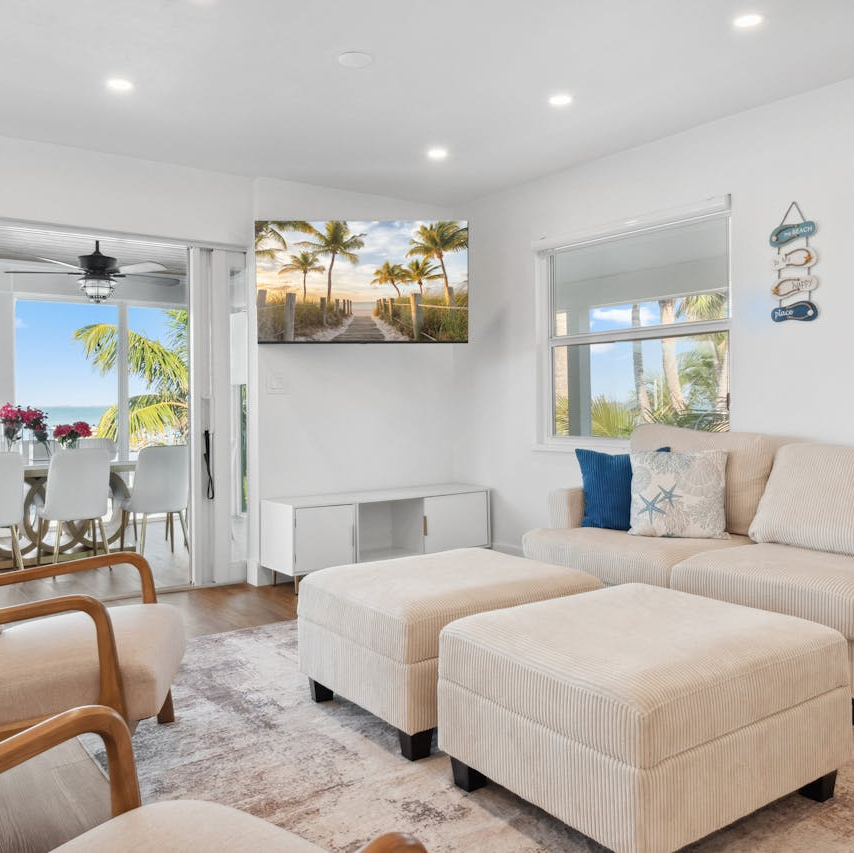
In 2025, the boundaries between indoor and outdoor living are increasingly blurred. You may find homes emphasizing transitional spaces like covered patios, glass walls, or foldable doors that open living areas to the outdoors.
Outdoor living features gaining popularity include:
-
Climate-controlled patios or sunrooms.
-
Compact gardens designed for easy maintenance.
-
Built-in outdoor kitchens and social areas.
Neighborhood design also reflects changing preferences. Walkability, shared green areas, and safe cycling paths now weigh more heavily in buyer decisions than they did a decade ago.
How Are Multi-Generational And Flexible Living Spaces Changing Home Design?
Family structures are changing. Multi-generational living is at its highest level in modern U.S. history. Homes designed in 2025 often include secondary suites or dual kitchens, allowing aging parents or adult children to live semi-independently.
Flexible layouts allow rooms to shift roles as needs change—guest rooms that double as gyms, basements turned into home theaters, or lofts that convert into office spaces. The goal is long-term adaptability rather than short-term trendiness.
How Much Do These Design Features Cost?
You might expect that modern design means high cost, but 2025’s trends focus more on long-term efficiency than luxury spending. Solar installation, for instance, may take several years to pay off but adds measurable value to the home. Energy-efficient appliances or smart thermostats often lead to noticeable monthly savings.
The market also rewards such investments: buyers are willing to pay more for eco-friendly and low-maintenance homes. Over a 10- to 15-year period, these features typically result in both reduced expenses and higher resale value.
What Do These Trends Say About American Priorities?
These 2025 home design trends reveal more than just aesthetic preferences. They reflect what modern Americans value most:
-
Flexibility in where and how they work.
-
Sustainability in daily living.
-
Health and well-being as part of home comfort.
-
Technology that simplifies, not complicates, life.
The American home is evolving into a personalized ecosystem—a place that adapts to its owners rather than the other way around.
A New Kind Of Home For A New Kind Of Lifestyle
If you’re planning to buy a home in 2025, it’s important to look beyond surface finishes and square footage. Focus on how the design supports your lifestyle and long-term comfort. Whether it’s the adaptability of the floor plan, the efficiency of its systems, or the quality of light and air, the modern home reflects a blend of practicality and purpose.
If you’re unsure where to start, get in touch with a licensed agent listed on this website for guidance on homes that reflect these current design priorities.