Key Takeaways
-
Homebuyers in 2025 rely heavily on design choices, often forming judgments before considering the technical or financial details of a property.
-
Design elements like layout, finishes, lighting, and color schemes significantly influence how buyers perceive value, livability, and future resale potential.
Why Design Choices Matter More Than Ever
When you think about buying a home, numbers like square footage, mortgage rates, and closing costs are often the first considerations that come to mind. Yet, in today’s housing market, design speaks louder than raw data. Buyers in 2025 make fast, instinctive judgments about homes based on design alone. From the moment you scroll through online listings to the second you step inside a showing, design sets the tone for how you evaluate a property.
The First Impression Timeline
Your decision-making process begins before you even walk into a house. Here’s how quickly design influences your judgment:
-
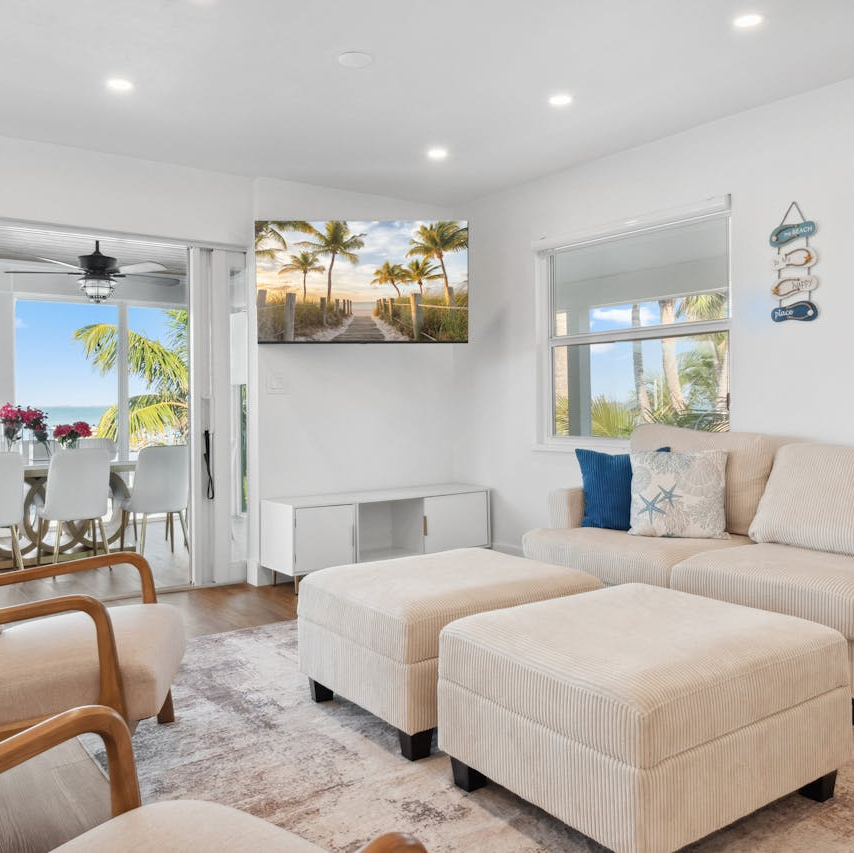
Within 10 Seconds Online: Photos showcasing modern kitchens, updated bathrooms, and open layouts spark more interest than those with dated finishes, regardless of size.
-
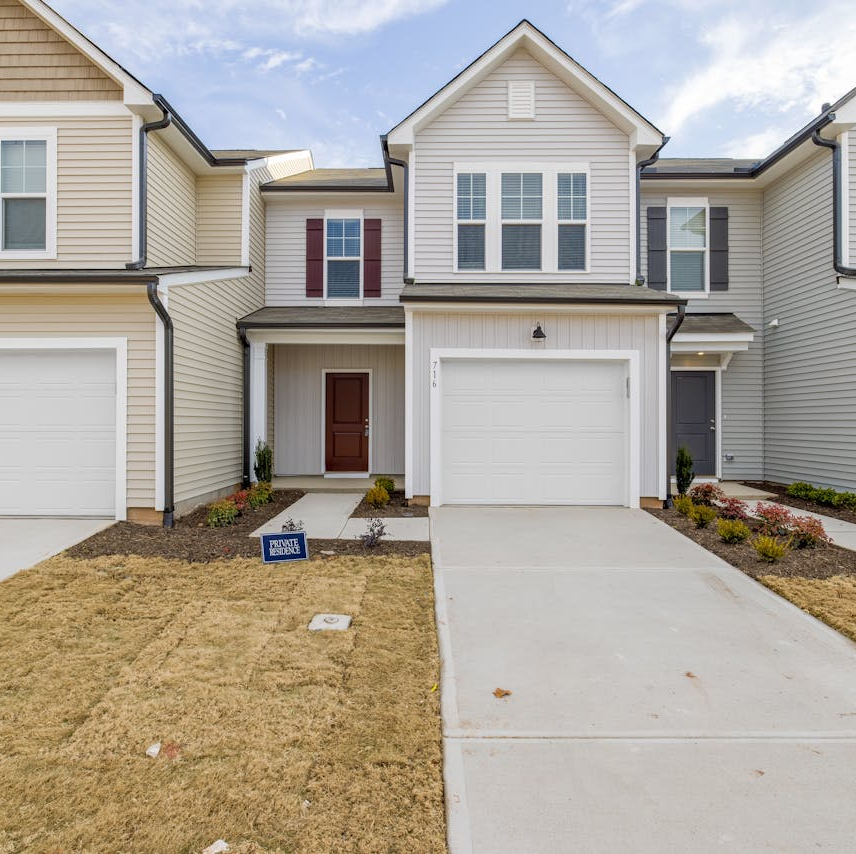
Within 30 Seconds at the Curb: Landscaping, exterior paint, and front-door choices shape your sense of care and value.
-
Within 5 Minutes Inside: Flooring, lighting, and how rooms connect confirm or destroy the initial impression.
In less than ten minutes, design can either elevate a home in your mind or eliminate it from consideration.
Layout and Flow Shape Daily Life
A home’s layout isn’t just a blueprint; it’s the stage where your daily life plays out. In 2025, open layouts remain popular, but buyers are equally drawn to designs that create purposeful spaces. Flexible areas for remote work, exercise, or multi-generational living add immense value. If a home’s design disrupts how you envision using it every day, you may disregard it no matter the price tag.
Key Aspects of Layout
-
Open Concept: Still in demand, but balanced with defined zones for privacy.
-
Functional Flow: Hallways, stairs, and doors should connect seamlessly.
-
Adaptability: Spaces that can transform over the years, such as a nursery converting into an office.
Colors, Finishes, and Emotional Impact
Design choices directly tap into emotion. Neutral palettes paired with tasteful finishes help you imagine yourself living in a home. Bold colors or unusual materials, on the other hand, risk alienating buyers if they don’t align with your tastes.
Elements That Influence Emotion
-
Wall Colors: Light, neutral tones feel spacious and inviting.
-
Flooring: Durable, timeless options like hardwood appeal broadly.
-
Cabinetry and Fixtures: Updated finishes in kitchens and bathrooms elevate the home’s overall feel.
Lighting Defines Atmosphere
Natural and artificial lighting influence how large, comfortable, and warm a space feels. Buyers notice dark or poorly lit rooms immediately, often interpreting them as smaller or less functional. In contrast, well-placed lighting makes even modest spaces feel expansive.
Lighting Design Essentials
-
Natural Light: Larger windows and skylights remain a top feature.
-
Layered Lighting: Combining ambient, task, and accent lighting creates versatility.
-
Smart Controls: Automated lighting systems appeal to modern buyers seeking efficiency.
How Design Affects Perceived Value
You may not realize it, but design choices often sway your perception of price more than square footage. Homes with appealing finishes and cohesive design appear more valuable, even when they offer less space or require higher maintenance costs. In 2025, the resale market consistently rewards updated and visually appealing homes with quicker sales and stronger offers.
The Timeline of Buyer Judgment
When evaluating homes, the timeline of judgment is more rigid than you might expect:
-
First Online Viewing (Seconds): If design fails to catch your attention, you may never schedule a tour.
-
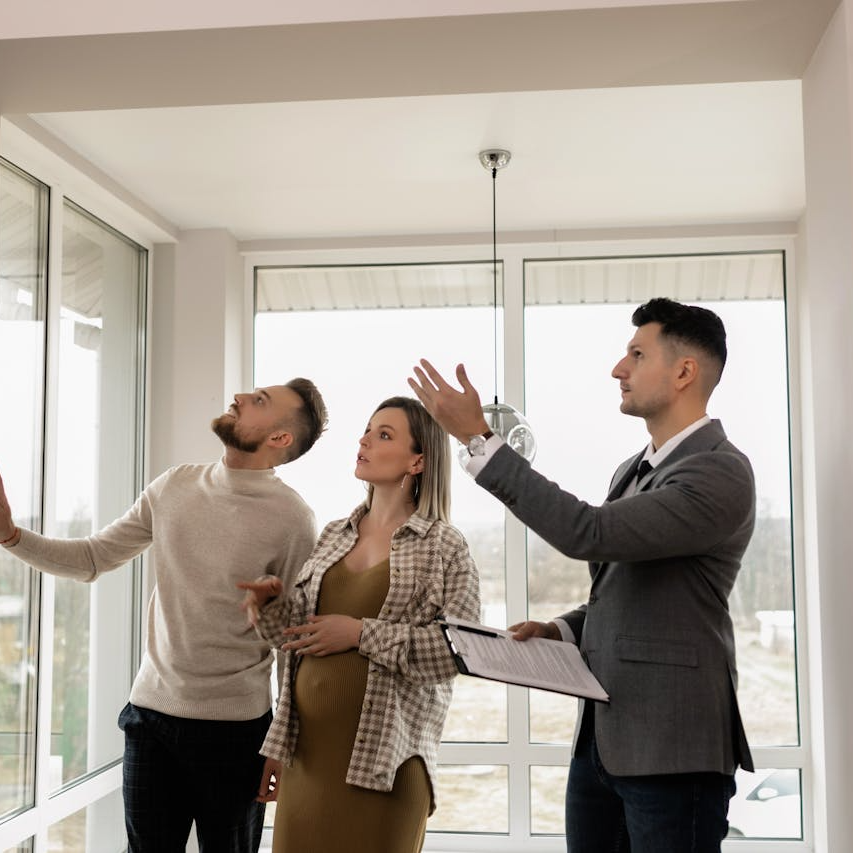
First Walkthrough (Minutes): Flow, lighting, and finishes influence your gut reaction.
-
Second Visit (Hours): Deeper design details like storage, cabinetry quality, and material durability either reinforce your decision or raise concerns.
-
Post-Visit Reflection (Days): Homes with memorable design details stay at the top of your list, while forgettable or outdated designs fade quickly.
How Resale Value Is Linked to Design
If you’re thinking long term, design choices affect more than your initial reaction. They also influence how easily you can resell the property. Homes with timeless features, adaptable layouts, and durable finishes tend to hold value longer. Outdated designs, on the other hand, can stagnate on the market and require costly renovations to attract interest.
Features That Drive Resale
-
Updated Kitchens and Bathrooms: These remain the top areas where design directly boosts value.
-
Curb Appeal: Exterior design still anchors resale potential.
-
Neutral, Timeless Choices: Classic colors and finishes stand the test of time.
The Role of Staging and Presentation
Even if a home is well-designed, presentation plays a critical role in how you judge it. Staging highlights the strengths of design, making rooms feel more spacious and functional. Empty or cluttered spaces, on the other hand, make it harder for you to visualize living there.
Staging Techniques That Influence Buyers
-
Furniture Placement: Helps define space and flow.
-
Decor Accents: Mirrors, rugs, and lighting enhance perception.
-
Decluttering: Keeps focus on the home’s design rather than personal items.
Why Design Matters More in Competitive Markets
In competitive housing markets, design can be the deciding factor between multiple buyers placing offers. A home with cohesive, updated design consistently stands out over one that requires immediate remodeling. When bidding wars arise, buyers are more likely to stretch their budget for a home that feels move-in ready.
The Cost of Poor Design Choices
On the flip side, poor design comes with hidden costs. If you buy a home with awkward layouts, dated finishes, or dark rooms, you may spend years investing in renovations. Even small design missteps can add thousands in long-term expenses and delay your ability to resell at a profit.
Examples of Costly Design Issues
-
Overly Customized Finishes: Unique styles narrow future buyer pools.
-
Closed-Off Layouts: May require major renovations to open.
-
Low-Quality Materials: Wear out faster, leading to repeated upgrades.
Design and Lifestyle Alignment
Beyond aesthetics, design also shapes how well a home aligns with your lifestyle. If you work from home, a poorly lit office or lack of privacy may be a dealbreaker. Families often look for open kitchens that connect with living areas, while downsizers may prefer single-level designs. If the design fails to support your daily routines, you’re unlikely to make a long-term commitment to the property.
Final Thoughts on Design as a Deciding Factor
At every stage of the homebuying process, design quietly shapes your judgment. From first impressions online to long-term resale value, design remains one of the most influential factors in whether you view a home as worth your investment. If you’re planning to buy in 2025, make design a central part of your evaluation strategy. For professional guidance tailored to your needs, get in touch with a licensed agent listed on this website.