Key Takeaways
- A thorough home inspection helps you identify hidden issues and informs negotiation during the buying process.
- Being present and asking key questions during the inspection enhances your understanding and confidence.
Before you make one of the largest investments of your life, it’s important to understand exactly what you’re buying. A home inspection offers valuable insights into a property’s true condition. In this guide, you’ll learn how home inspections work, what they cover, and how to use them to make better decisions as a buyer.
What Is a Home Inspection?
Purpose in the buying process
A home inspection is an independent assessment of a house’s structure and major systems—typically conducted after you’ve agreed to purchase, but before closing the deal. Its main purpose is to give you peace of mind about the property’s condition. The inspection report helps you identify issues that may require repairs, safety improvements, or negotiation with the seller before you fully commit to the purchase.
How home inspections are conducted
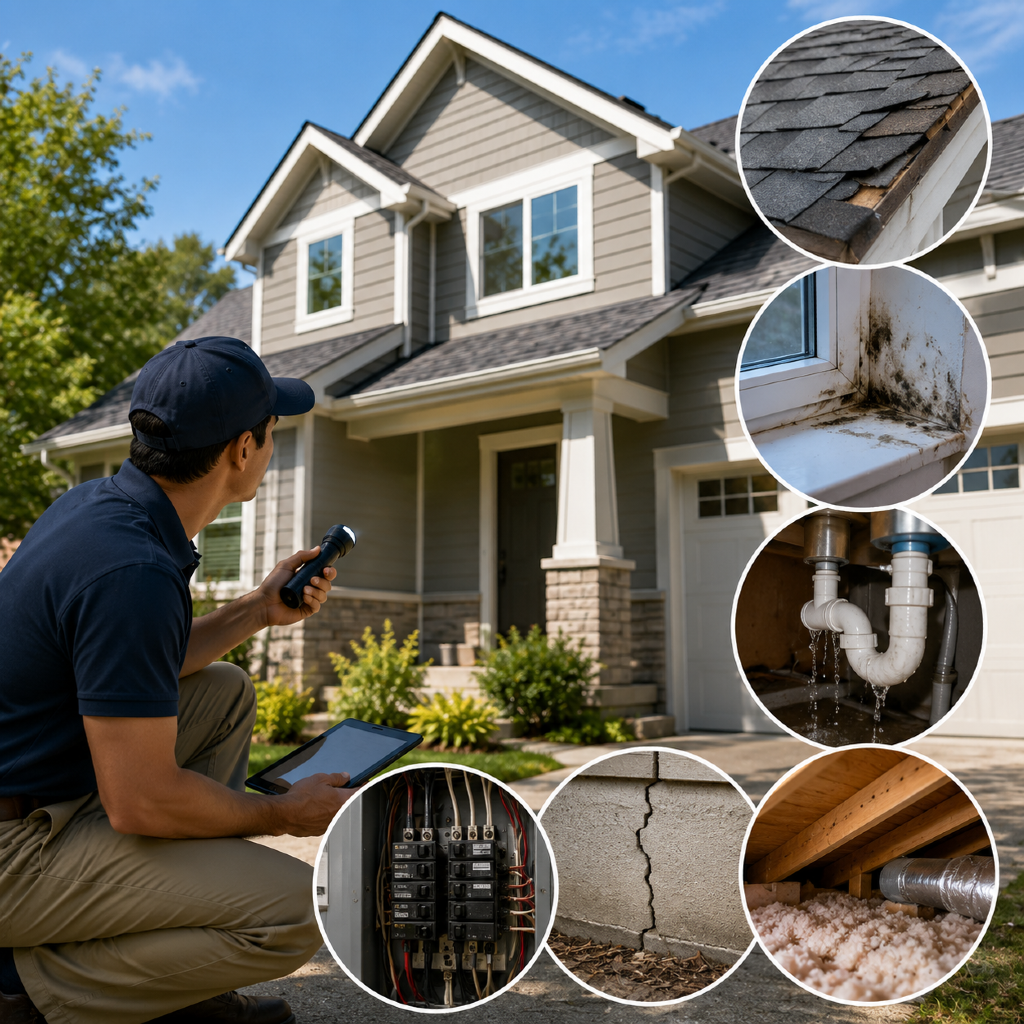
A qualified home inspector typically carries out the process. They conduct a visual examination, both inside and outside the home, assessing everything from the roof to the foundation. Inspectors use tools like moisture meters, outlet testers, and ladders but do not dismantle components or make repairs. Their findings are summarized in a detailed report, which is provided to you for review and discussion.
Why Inspect Before You Buy?
Risks of skipping an inspection
Skipping an inspection exposes you to unexpected problems later. Issues with plumbing, roofing, or electrical systems—sometimes hidden or not easily noticeable—can lead to expensive repairs. Without an inspection, you might miss signs of water intrusion, electrical hazards, or structural weaknesses that could affect safety or the value of your investment.
How inspections influence negotiations
Inspection findings empower you during negotiations. If the report highlights concerns, you can discuss repairs with the seller or negotiate adjustments to the purchase price. In some cases, buyers may choose to walk away if issues are significant. Having a professional assessment allows for informed decisions and gives you leverage to protect your interests.
What Does a Standard Inspection Cover?
Exterior and structure
Inspectors evaluate the condition of exterior walls, doors, windows, and the foundation. They look for cracks, signs of settling, damaged siding, and the state of porches or decks. Proper drainage around the foundation and grading away from the home are also checked for risk of future water damage.
Roof and attic
The roof’s age, material, and overall integrity are reviewed, including shingles, flashing, gutters, and downspouts. The attic is checked for leaks, insulation adequacy, ventilation, and evidence of past water intrusion or pest infestations.
Plumbing and electrical systems
Plumbing inspections include checking visible pipes, water heaters, faucets, and all bathrooms for leaks or corrosion. Water pressure and drainage are observed. The electrical review covers main panels, breakers, outlets, and visible wiring—testing for proper operation and safety hazards like outdated or overloaded systems.
Heating and cooling equipment
Your inspector examines the furnace, air conditioning system, and visible portions of ductwork. They check for general operation, age, filter condition, energy efficiency, and signs of carbon monoxide leaks or inadequate ventilation.
Interiors and safety features
Inside the home, all rooms are reviewed for wall and ceiling cracks, windows and doors’ function, and floor stability. Inspectors also test smoke and carbon monoxide detectors and look for basic safety issues, such as proper handrails on stairs and functional emergency egress routes.
Which Issues Are Most Common?
Roof damage and leaks
Missing or damaged shingles, worn-out flashing, or soft spots may be detected. Even minor roof concerns can lead to leaks and costly repairs if not addressed promptly.
Plumbing deficiencies
Inspectors often find leaky pipes, dripping faucets, slow drains, or aging water heaters. Unnoticed plumbing issues can lead to water damage or mold growth in hidden areas.
Electrical concerns
Outdated wiring, double-tapped breakers, ungrounded outlets, and improper panel installations are not uncommon. Electrical issues can be both a safety hazard and a significant expense to correct.
HVAC system problems
Furnaces and air conditioners may have inadequate maintenance, clogged filters, or end-of-life components. Older or malfunctioning systems can fail before you expect, resulting in unexpected repair or replacement costs.
Foundation cracks or settling
Small foundation cracks are sometimes cosmetic, but larger ones or signs of shifting may hint at underlying structural challenges. Inspectors assess the severity and recommend further evaluation if needed.
Can You Attend the Inspection?
Benefits of being present
Attending the inspection gives you first-hand knowledge of a home’s strengths and weaknesses. You can observe issues directly and gain a better understanding of what’s superficial versus genuinely important. Seeing the condition of systems and areas in real time can clarify the true scope of any needed repairs or improvements.
What to ask the inspector
While present, ask your inspector to clarify items that seem unclear in the report. You can request insight into the expected lifespan of major systems or the urgency of fixes. Ask questions like: which issues are immediate, what maintenance is needed, or when future updates are advisable. This active involvement helps you budget and plan accordingly.
Is a Professional Inspector Required?
Licensed vs. unlicensed inspectors
Many regions require home inspectors to be licensed and follow specific standards. A licensed inspector has undergone training and must adhere to a code of practice. While unlicensed inspectors may offer lower rates, they might lack the expertise or accountability to thoroughly assess all major systems.
Role of state and local regulations
Requirements for home inspections differ by location. Some areas mandate licensing or certifications, while others are less formal. Check your state or municipality’s guidelines to ensure your inspector meets regulatory expectations. Choosing an inspector with appropriate credentials protects your interests and supports a fair transaction.