Key Takeaways
- Comparing listings helps you find properties that match your needs and avoid costly mistakes.
- Use online tools and a clear checklist to evaluate homes and features before making an offer.
Finding homes for sale near you is exciting, but the sheer number of options can feel overwhelming. By understanding how to search, compare listings, and prioritize features, you can feel confident and informed in your home-buying journey. Here’s how to approach the process wisely and make decisions that support your goals.
What Does ‘Homes for Sale’ Mean?
Definition of Homes for Sale
When you see the phrase “homes for sale,” it refers to properties actively marketed to buyers. Typically, a home for sale appears on multiple platforms, including real estate websites, broker databases, and local publications. These listings provide details about the property’s features, price, and contact information for further inquiry.
Types of Listings Available
The real estate market offers various listing types, including single-family homes, townhouses, condominiums, and multi-family properties. Listings might be represented by agents, owners directly (for-sale-by-owner), or other authorized parties. Each listing type will contain different details and may be featured on different platforms. Some listings may be exclusive, while others are syndicated across multiple online channels to reach a broader audience.
Why Compare Home Listings?
Benefits of Comparison
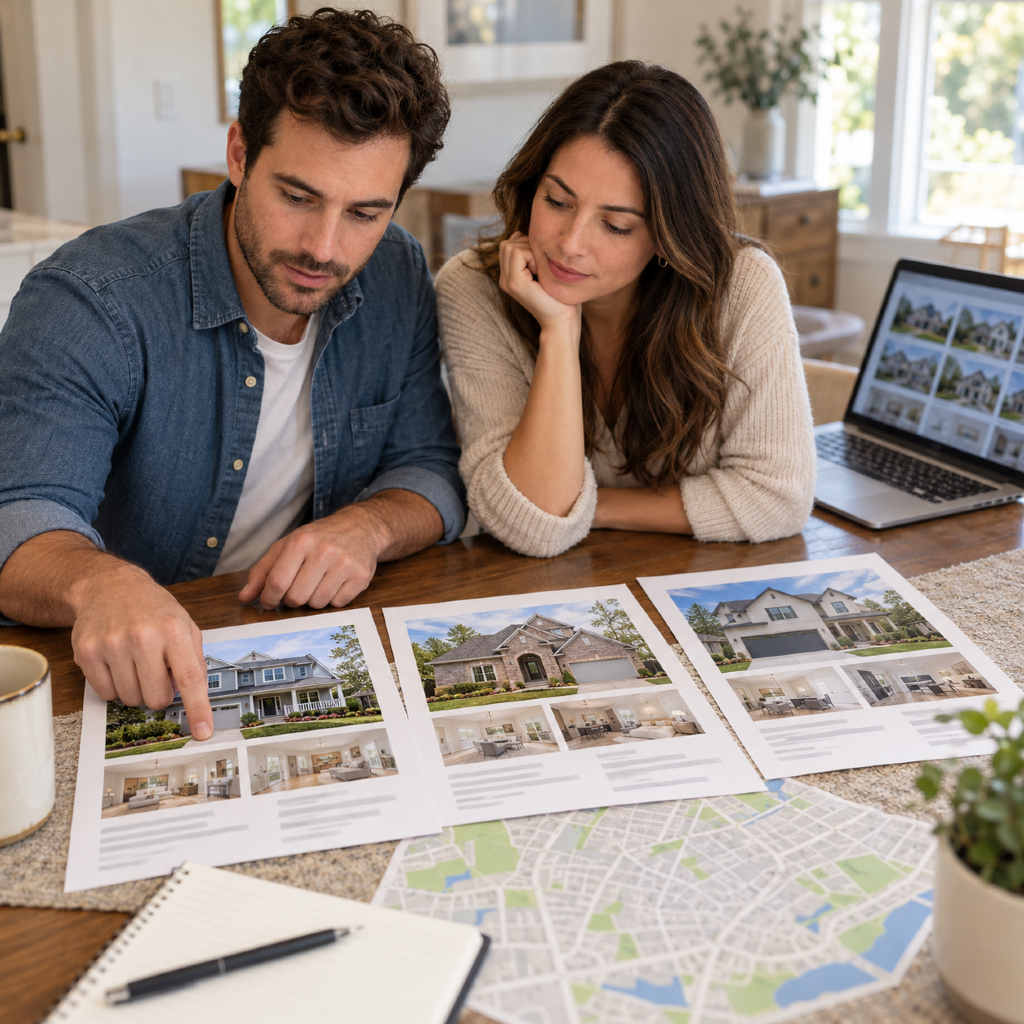
Comparing home listings is essential for making informed decisions. By reviewing several properties side by side, you’ll get a sense of what features and price points are typical in your area. This process helps you identify homes that offer the best value for your needs, avoid overpaying, and uncover the amenities and features that matter most to your lifestyle. Comparison also helps you spot “red flags” early, such as properties priced unusually low or high for the area.
Risks of Skipping Comparisons
If you skip comparing listings, you risk missing out on better-suited homes or overcommitting to a property that may not truly fit your goals. Without comparison, it’s harder to spot issues like overpricing, limited features, or potential problems that could affect your long-term satisfaction. Thoughtful comparison helps you avoid rushed decisions and negotiate more effectively when you make an offer.
How Can I Search Listings Near Me?
Online Real Estate Platforms
The internet has revolutionized how you search for homes for sale. Leading real estate platforms allow you to browse listings by location, budget, and desired features. Filters help you narrow your options quickly, and high-resolution photos or virtual tours give you a better sense of a home’s condition and layout. Review listing updates regularly, as new properties are added daily.
Using Mobile Apps
Mobile real estate apps put home listings right in your pocket. These apps use location services to show nearby properties, sometimes highlighting listings as you drive through a neighborhood. Set up alerts for new properties that match your criteria and get instant updates when prices change or new homes become available.
Local Resources and Maps
Don’t overlook traditional resources—local newspapers, community bulletin boards, and real estate offices still list homes for sale. Driving or walking through target neighborhoods can reveal “For Sale” signs that haven’t appeared online yet. Some communities offer public maps at visitor centers or libraries that show current listings by area.
Which Features Should I Prioritize?
Common Home Features Explained
Home listings describe features such as the number of bedrooms and bathrooms, lot size, heating and cooling type, parking options, and recent upgrades. You’ll also often see yard size, storage areas, energy-efficiency improvements, and smart home technology. Understanding what these features mean—and which ones come with ongoing maintenance or costs—will help you refine your shortlist.
Aligning Features With Your Lifestyle
Consider your current and future lifestyle when prioritizing features. If you work from home, a dedicated office or flexible space may be crucial. Families might need multiple bedrooms, a fenced yard, or proximity to schools. If you enjoy entertaining, consider open floor plans or outdoor spaces. Make a list of “must-haves” and “nice-to-haves” to stay focused and avoid distraction by features that don’t truly benefit you.
How Do I Compare Listings Effectively?
Creating a Comparison Checklist
Start with a personalized checklist that outlines your top priorities—location, price range, size, and key features. Add criteria such as commute time, neighborhood amenities, or school proximity if they matter to you. Use the checklist as you review each property to keep your search organized and focused.
Using Side-by-Side Tools
Many online platforms offer comparison tools that let you view two or more listings side by side. Use these features to evaluate properties on every critical factor, from price and square footage to recent renovations. This visual approach makes it easier to see which homes align with your criteria and which fall short.
Evaluating Condition and Value
Beyond features, assess the overall condition of each property. Look at photos, read inspection reports (if available), and note the age of major systems like roofs or appliances. Factor in any repairs or upgrades needed when considering price and value. If possible, arrange viewings to see the homes in person. Professional inspections can provide extra peace of mind before you make an offer.
What Risks Should Buyers Consider?
Market Fluctuations and Pricing
Real estate values can change with market trends, interest rates, and local supply-and-demand dynamics. Be aware that today’s price may shift over time. Staying informed about neighborhood trends and historical pricing can help you understand what’s reasonable. Avoid stretching your budget just because of pressure to buy quickly.
Inspection and Disclosure Concerns
Review all available disclosures and, when possible, get a professional inspection before finalizing a purchase. Sellers may not always know or reveal every issue, so a thorough evaluation can protect you from costly surprises. Ask questions about recent repairs, renovations, or property history as part of your due diligence.