Key Takeaways
-
Ask about property hazards, review seller disclosures, and request records that explain known problems, repairs, and unresolved concerns.
-
Use independent inspections and suitable specialist checks to understand the home’s condition before you commit to the purchase.
How Can Property Hazards And Disclosures Guide Your Decision?
When you buy a home, its appearance tells only part of the story. Fresh paint and tidy rooms can leave important questions unanswered. You need to understand what has happened to the property, what needs attention, and what may affect your plans.
Seller disclosures help you identify issues worth investigating. However, they do not replace an independent home inspection. An unanswered question or a statement that a problem is unknown should prompt further review.
Ask direct questions, request written answers, and compare those answers with inspection findings. The following property hazards deserve careful attention before you move forward.
1. Could Flooding Or Water Damage Affect Your Home?
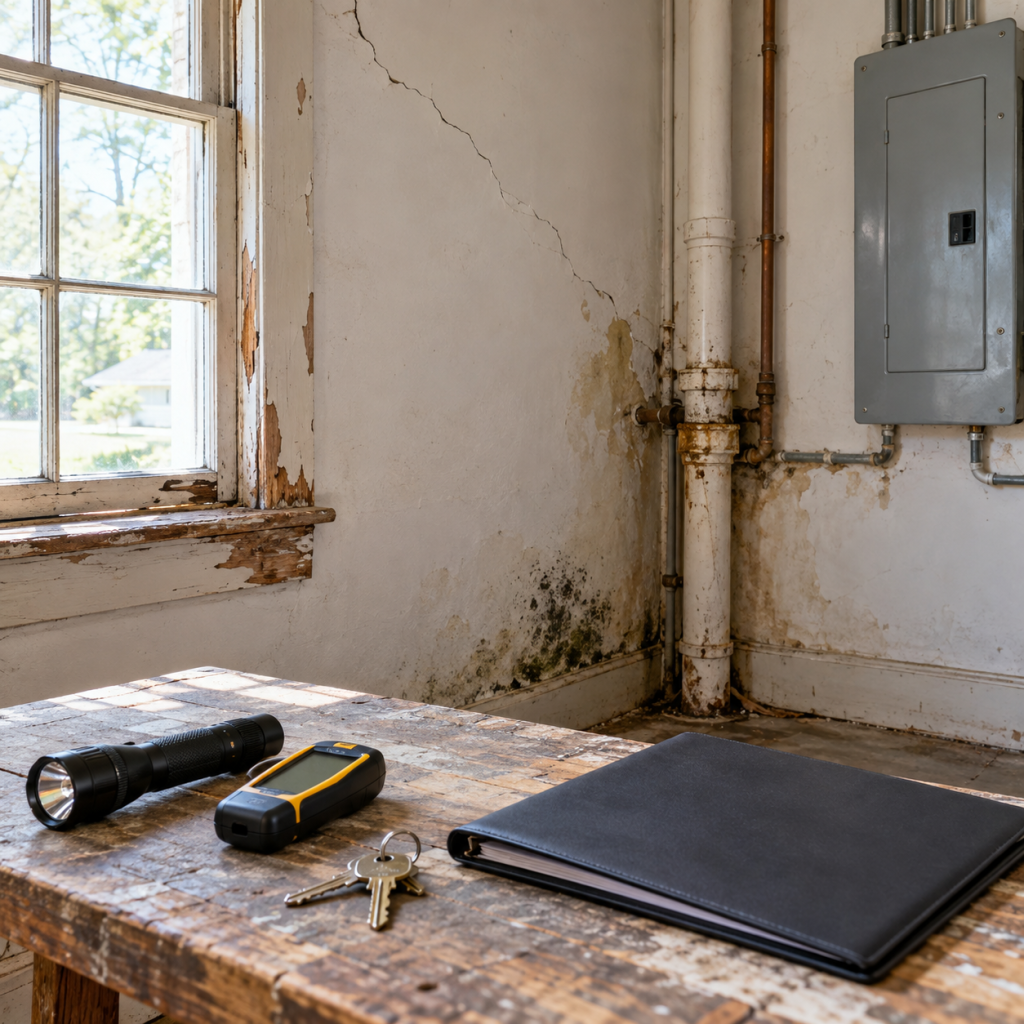
Ask whether water has entered the home through the roof, walls, basement, crawl space, or plumbing. Find out whether the seller knows of flooding, sewer backups, poor drainage, or leaks.
Request records showing where damage occurred and how it was repaired. You need to understand whether the work addressed the source of the water as well as the visible damage.
Questions to ask include:
-
Has water entered any living or storage area?
-
Were damaged materials removed or simply covered?
-
Were drainage or plumbing problems corrected?
-
Are any related repairs still incomplete?
Have your inspector review accessible areas for signs of moisture and discuss any limits to the inspection. Check available flood information for the property, too. A seller’s account and a visual inspection may leave gaps that need further investigation.
2. What Should You Ask About Mold And Moisture?
Mold concerns require questions about the moisture behind them. Ask whether the seller knows of mold growth, damp rooms, condensation, or musty smells. Request any assessment and cleanup records.
A statement that mold was removed needs more detail. Ask which areas were treated, what materials were affected, and whether the moisture source was corrected. Cosmetic work alone does not explain the condition behind a wall or beneath flooring.
During your inspection, have the inspector examine accessible bathrooms, utility spaces, basements, and areas around windows. Ask whether blocked vents or poor drainage need attention.
If concerns remain, discuss a suitable assessment with a qualified specialist. You need a clear picture of the affected area and any unresolved moisture problem before deciding whether to proceed.
3. Do Seller Disclosures Address Lead And Asbestos?
Ask whether the seller has information about lead paint, asbestos, or other hazardous building materials. Request available survey reports, test results, and records of removal or other treatment.
Your renovation plans matter here. If you expect to disturb paint, flooring, insulation, or other materials, tell the inspector. Ask whether a separate assessment is appropriate before planning that work.
Useful questions include:
-
Has any material been tested for lead or asbestos?
-
Where were suspected or confirmed materials found?
-
What work was completed, and by whom?
-
Is there guidance about materials still in place?
You should not scrape, drill, or remove suspected materials to investigate them yourself. Ask a qualified professional how to assess them safely. Have your agent or legal adviser explain which property disclosures apply to your purchase.
4. Has The Property Been Checked For Radon?
Ask whether the home has been tested for radon and request the full report. A brief assurance that the result was acceptable gives you less information than the actual test record.
If the property has a radon reduction system, ask for its installation details and available service records. Have a qualified professional explain the system, its condition, and any checks needed to assess its performance.
Discuss whether an independent test is suitable for your purchase. Ask who will carry it out, where it will take place, and how you will receive the findings.
Make sure you understand any recommended action before committing. If work is proposed, agree in writing on what will be done and how completion will be verified. Keep the reports with your other purchase documents.
5. Could Structural Damage Or Pest Activity Be Hidden?
Ask about foundation movement, damaged framing, roof defects, and wood-destroying pests. Request reports related to cracks, uneven floors, doors that stick, or repairs to supporting parts of the home.
A repair record should explain the problem and the work completed. Ask whether a specialist assessed the cause and whether any follow-up recommendations remain unresolved.
Your inspection questions can include:
-
Were foundation or framing repairs completed?
-
Has pest damage affected structural wood?
-
Are repaired areas accessible for inspection?
-
Does any finding need a specialist review?
Discuss significant concerns with a structural professional or pest specialist, as appropriate. Avoid treating a repair receipt as proof that every related issue has been resolved. You need to understand both the work completed and the condition that remains.
6. Are Electrical, Gas, And Fire Hazards Disclosed?
Ask about electrical faults, gas leaks, fire damage, and changes to wiring or fuel connections. Request available permits, inspection records, and documents for related repairs.
Tell your inspector about disclosed problems so those areas receive attention. Ask whether any findings require review by a qualified electrician or gas professional.
If the home has a fireplace or other fuel-burning equipment, request service and inspection records. Ask about damaged components, venting concerns, and incomplete repairs.
Review fire-related disclosures carefully. Find out which areas were affected and what repairs followed. Replacement finishes may leave questions about concealed parts of the home.
Before moving forward, make sure you understand any unresolved safety concerns and the steps recommended to address them.
How Can You Move Forward With Greater Confidence?
Compare seller disclosures with your inspection reports. Ask for written clarification where they differ, and resolve important gaps before committing.
Sign up on this website for more home-buying guidance to help you ask informed questions and approach your purchase with confidence.