Key Takeaways
-
Before making an offer on a house, confirm your budget, review the property, and understand the terms you are prepared to accept.
-
A strong first offer balances the seller’s needs with your own protection. Review contingencies, deposit terms, and financing with care.
Are You Ready To Make Your First Home Offer?
Finding a home you want can bring excitement and pressure. You may feel ready to move forward as soon as you see a suitable property. However, your first serious offer deserves careful thought.
An offer involves more than choosing a purchase price. It sets out the terms under which you are willing to buy. Those terms can affect your finances, your options, and your responsibilities.
For first-time homebuyers, preparation helps turn uncertainty into clear decisions. Before you submit anything, understand what you can afford, what you know about the home, and what still needs to be checked.
What Should First-Time Homebuyers Know About Their Budget?
Start with a budget that reflects your daily life. The amount you may be able to borrow does not automatically tell you what you can comfortably manage.
Think about your regular spending, other debts, savings goals, and ability to handle unexpected expenses. Homeownership brings responsibilities beyond your mortgage payment.
Your budget should leave room for:
-
Property taxes and home insurance.
-
Utilities and routine maintenance.
-
Repairs and possible association fees.
-
Moving expenses and purchase-related fees.
-
Savings for unexpected needs.
Ask for a clear explanation of the expenses connected with your purchase. Decide where your comfort limit sits before negotiations begin. This gives you a firm basis for judging an offer, even when you feel attached to the home.
How Can Mortgage Preapproval Help You Prepare?
Mortgage preapproval can help you understand your borrowing position and show that you have taken steps toward financing.
However, you should understand the conditions attached to it. Ask what still needs review and what changes could affect your application.
Make sure you understand the proposed loan terms and required documents. Avoid assuming that your financing is settled simply because you have a preapproval letter.
What Should You Check Before Making An Offer On A House?
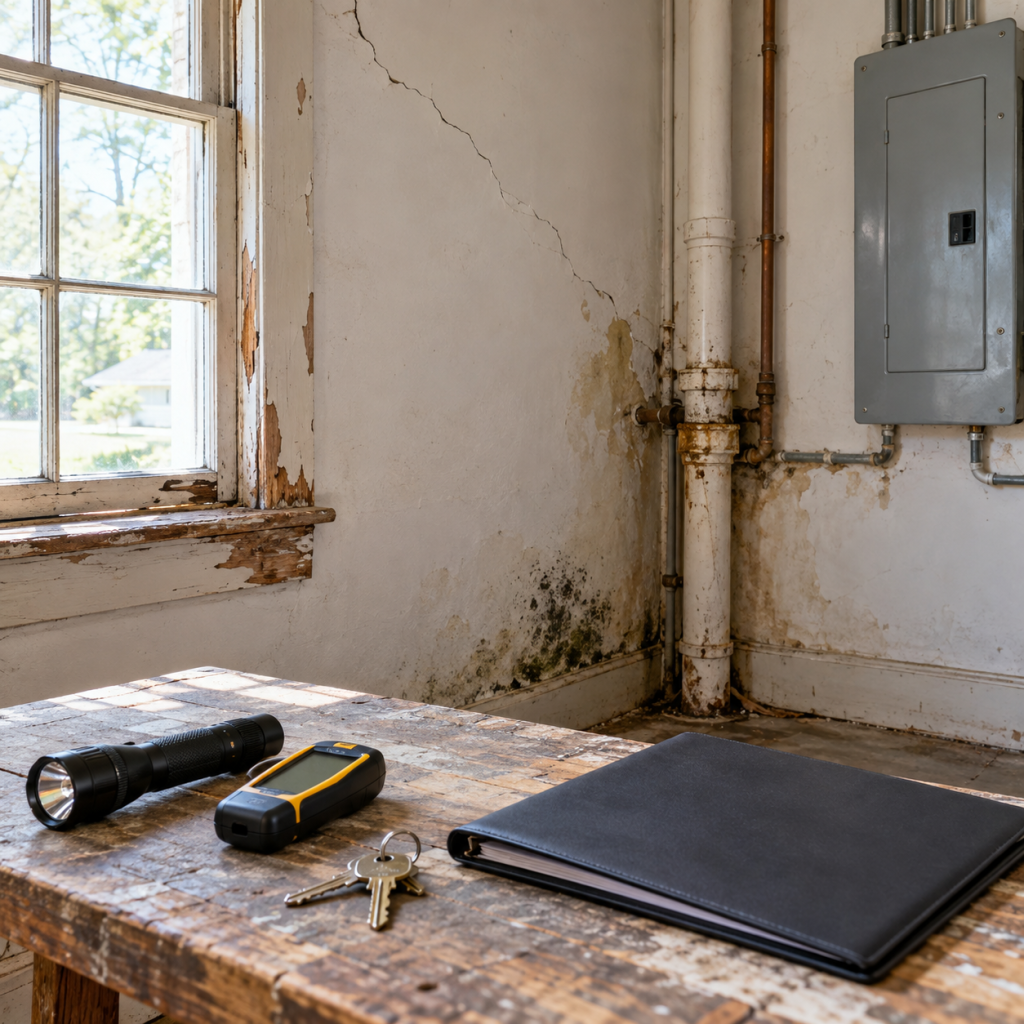
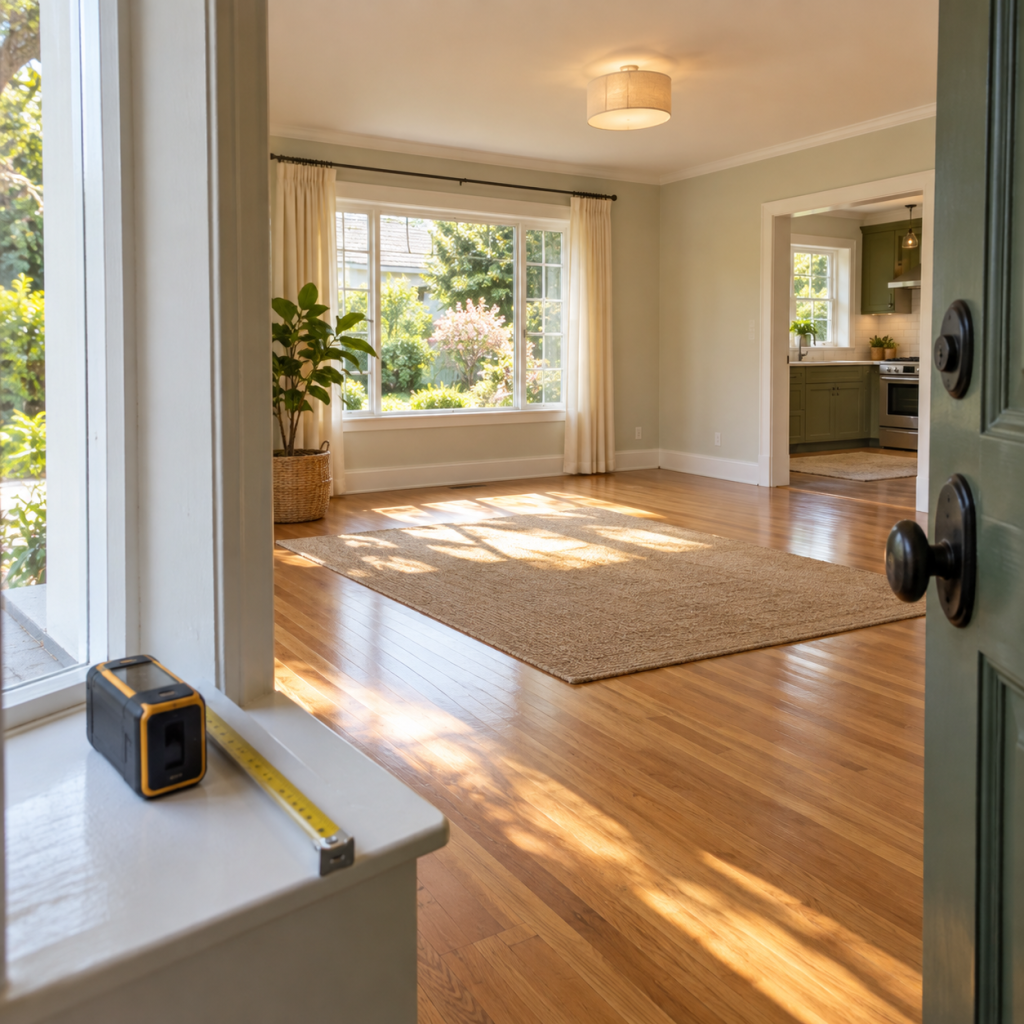
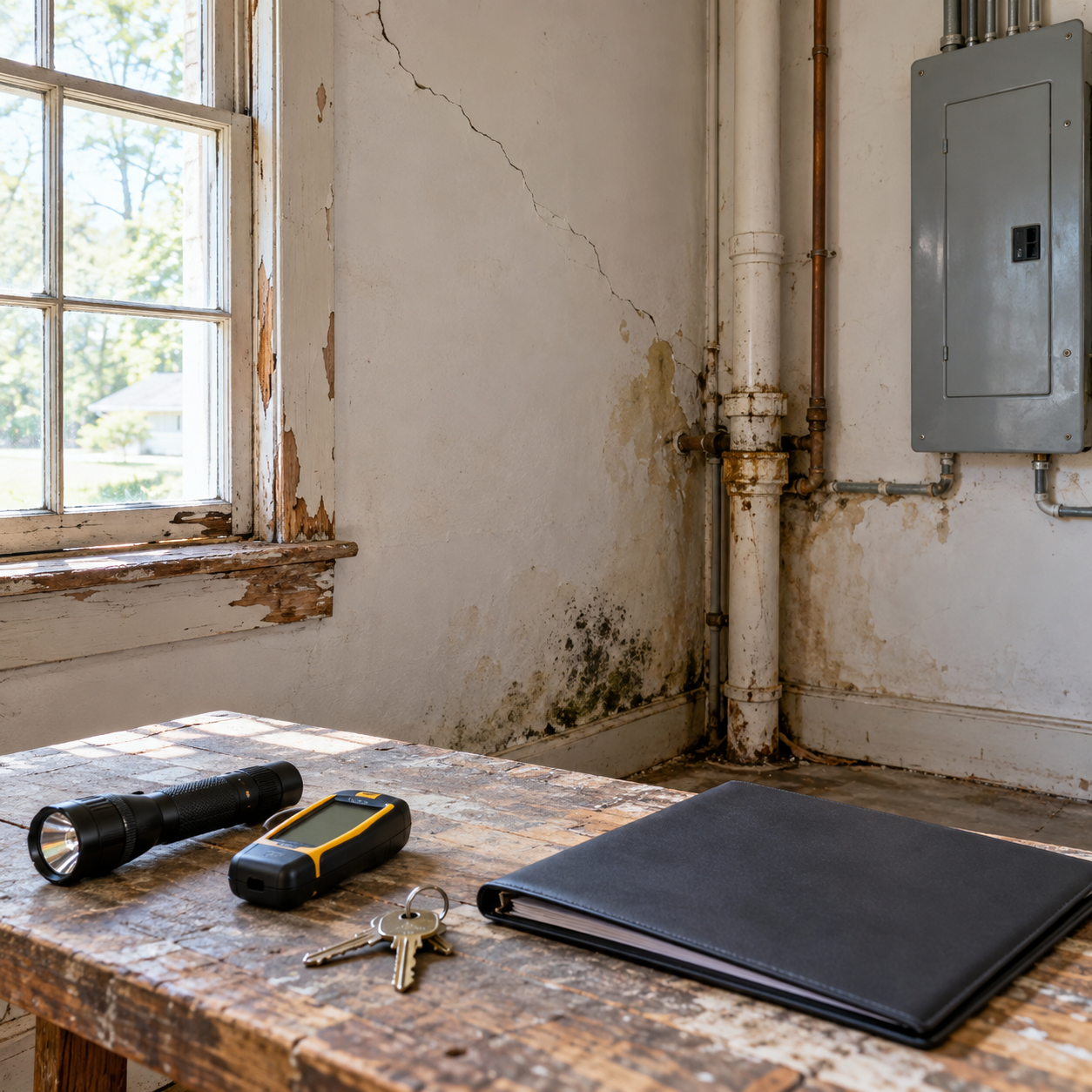
Look beyond the appearance of the property. A pleasant viewing can help you picture living there, but it cannot answer every question about its condition or suitability.
Review the available property information and seller disclosures. Ask about known defects, repairs, alterations, and any documents that need clarification.
Consider the surrounding area as carefully as the home itself. Think about access, noise, transport, parking, and services you expect to use.
Separate your needs from your preferences. Attractive finishes may appeal to you, but they should not distract you from a layout or location that does not suit your life.
Which Property Questions Should You Ask?
Use direct questions to uncover gaps in your understanding:
-
What known problems have been disclosed?
-
What alterations have been made, and what records support them?
-
What fixtures or appliances are included?
-
Are there shared spaces or maintenance duties?
-
Are there restrictions that could affect your intended use?
If an answer is unclear, seek supporting information. You should understand what you are buying before deciding what to offer.
How Should You Choose Your First Offer Price?
Your first offer should reflect both the property and your financial limits.
Ask your real estate professional to explain how comparable properties support the proposed price. Consider their condition, location, features, and other relevant differences.
The asking price provides a starting point for discussion. It should not replace your own review of the home’s value and suitability.
Set your upper limit before submitting the offer. Include the effect of repairs and other purchase obligations in your decision.
You may be able to strengthen your offer through clear terms or suitable flexibility. Any change should still fit your needs. Avoid raising your offer simply because you fear missing out.
Which Home Offer Contingencies Should You Understand?
Contingencies are conditions written into your purchase agreement. Depending on their wording, they may give you options if an important part of the purchase does not work out.
Understand each condition before deciding whether to include, change, or remove it. Ask what you must do to use the protection it provides.
Common areas to discuss include:
-
Financing: Your ability to obtain the mortgage described in the agreement.
-
Inspection: Your options after reviewing the home’s condition.
-
Appraisal: How a valuation that does not support the agreed price would be handled.
-
Title: Whether ownership concerns or claims must be resolved.
The exact wording matters. A familiar label does not tell you everything a clause allows.
Why Should You Keep Inspection And Appraisal Separate?
A home inspection and an appraisal serve different purposes.
An inspection helps you assess the property’s condition. An appraisal addresses its value for the financing process.
Discuss both with the professionals helping you. Understand what each review covers and what your agreement allows you to do with the results.
What Should You Know About Earnest Money And Offer Terms?
Earnest money is a deposit connected with your commitment to the purchase. Before agreeing to it, understand who will hold it and how it will be handled.
Ask when it may be returned, applied toward the purchase, or placed at risk. Do not assume that changing your mind will allow you to recover it.
Read the whole offer, including any added terms. Confirm that it reflects your instructions and clearly identifies what is included.
How Can You Move Forward With Confidence?
Your first serious offer should reflect informed choices. Confirm your budget, resolve open questions, and understand your responsibilities before signing.
Keep your financial limits and essential needs in view throughout negotiations. Sign up on this website for more homebuying guidance to help you approach your next step with confidence.