Key Takeaways
- A thorough home inspection helps uncover issues and supports smart, informed decisions during the home-buying process.
- Understanding common inspection myths and negotiation tips can help buyers avoid surprises and proceed with confidence.
Did you know most homebuyers uncover at least one surprising issue during a standard inspection? Understanding the process could help you make a more confident purchase. Whether this is your first home or your next, knowing what’s fact and what’s fiction about home inspections can protect your investment and your peace of mind.
What Is a Home Inspection?
Standard inspection process overview
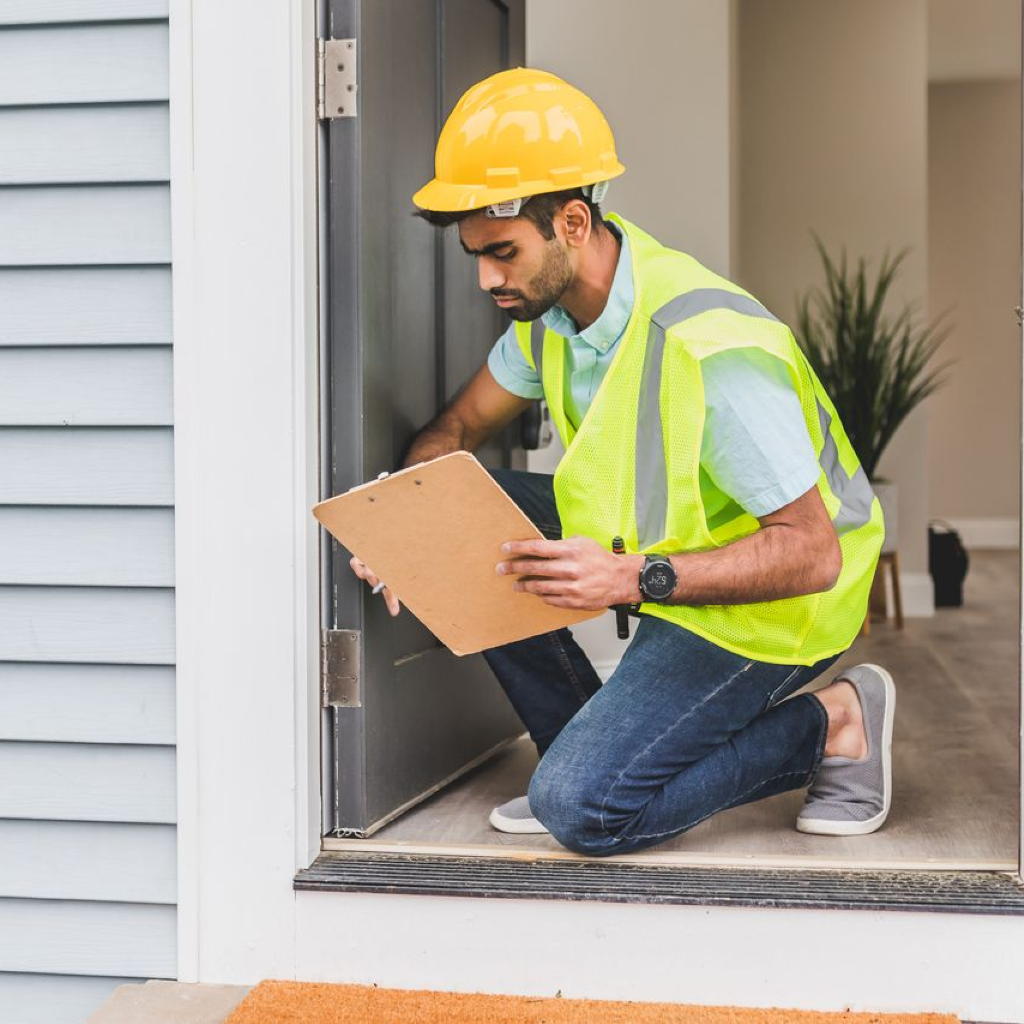
When you’re buying a home, a professional home inspection is a step that provides clarity about the property’s condition. It’s typically scheduled once your offer has been accepted but before you finalize the purchase. A licensed inspector examines the house, identifies issues, documents findings in a report, and shares this information with you. Inspections generally last a few hours, and buyers are encouraged to attend so you can ask questions and see findings firsthand.
What inspectors typically examine
Home inspectors provide a visual assessment of accessible systems and components. They will examine the roof, exterior walls, foundation, plumbing, electrical systems, HVAC (heating, ventilation, and air conditioning), insulation, windows, doors, and more. Inspectors look for signs of water damage, wear, faulty wiring, leaks, and structural issues. However, they don’t move furniture or open up walls—inspections focus on what’s visible and accessible at the time.
Why Are Inspections Important When Buying?
Detecting hidden issues early
A home may look spotless at first glance, but underlying problems can go unnoticed until you settle in. Inspections uncover concerns like outdated wiring, faulty appliances, roof leaks, or foundation cracks—issues that could result in costly repairs if undetected. Catching these early gives you leverage to reconsider, negotiate, or plan for future maintenance.
Supporting informed decisions
Inspection reports arm you with knowledge to decide if the home is right for you. They lay out needed repairs and future upgrades, helping estimate ongoing costs. This transparency enables you to move forward with confidence or rethink your offer if the findings aren’t what you expected.
What Are the Pros and Cons?
Benefits of thorough inspections
A complete home inspection brings peace of mind. You benefit from:
- Early issue detection, reducing the risk of surprise repairs
- Details about the property’s systems, so you can plan ahead
- Support for renegotiating the price or requesting repairs if significant problems are found
- A stronger sense of security and confidence in your purchase
Potential drawbacks to consider
While inspections are invaluable, there can be downsides:
- The inspection itself involves a fee, which is usually the buyer’s responsibility and non-refundable
- Inspectors cannot uncover hidden defects inside walls or beneath floors
- Some findings may require additional specialist evaluations, leading to more costs or delays
- Lengthy or complex reports can be overwhelming and sometimes lead to unnecessary worry over minor issues
What Home Inspection Myths Exist?
Misconceptions about inspector roles
A common myth is that inspectors guarantee a home’s condition or offer warranties. In truth, their job is to provide a snapshot of the home’s current, visible state—they do not predict future failures or provide guarantees. Another misconception is that inspections always find every issue. Remember, inspections are visual and cannot uncover everything.
Common beliefs versus facts
Some buyers believe inspections are optional or only necessary for older homes. In reality, even new builds can have defects or construction oversights. Another misleading belief: passing inspection means there are no problems. In fact, most reports highlight maintenance needs, recommended repairs, or areas for monitoring—rarely is any home “perfect.”
How Does Inspection Affect Negotiations?
Typical buyer options after inspection
After reviewing the inspection report, you have choices. You can:
- Accept the home as-is
- Request repairs for specific issues
- Ask for a price adjustment to account for repairs
- Decide to withdraw from the purchase if significant problems arise (if your contract allows)
Each option depends on the contract terms and your comfort level with the findings.
Handling repair requests reasonably
While it’s reasonable to ask for repairs on major defects, minor wear or cosmetic issues are typically not grounds for renegotiation. Focusing requests on structural, mechanical, or safety-related concerns will lead to more successful, balanced negotiations. Clear communication and realistic expectations are key—sellers aren’t required to repair everything unless stipulated in your agreement.
Can You Skip a Home Inspection?
Risks of waiving inspection
Skipping an inspection may make an offer more attractive in a competitive market, but it comes with considerable risk. If major problems are discovered after you move in, you’re responsible for all repairs and associated costs. These surprises can significantly impact your budget and enjoyment of your new home.
Situations where skipping is considered
Some buyers consider waiving inspections in highly competitive situations or when purchasing newly constructed homes, but even brand-new properties can have issues. If you purchase a home “as-is,” understand you’re accepting any defects, visible or hidden. Skipping inspection should be a rare exception, weighed carefully against your personal risk tolerance and situation.
What Should Buyers Expect During Inspection?
Preparing for the inspection day
On inspection day, try to attend alongside your inspector. Bring a notepad, ask questions, and observe areas flagged for concern. Make sure all areas (basement, attic, garage) are accessible. Having your real estate agent present can also help clarify findings or steps.
Interpreting the inspection report
Your inspector will issue a detailed written report outlining findings, recommended repairs, and potential maintenance needs. Review the report thoroughly, asking your inspector or agent to clarify anything unclear. Not all issues require urgent fixes—distinguish between minor maintenance and critical repairs. Use the report to inform your decisions, both immediate and long-term.