Key Takeaways
- Understand every step of both virtual and in-person home buying, from search to closing.
- Learn the pros, cons, and safety measures of each process to help decide which suits your goals best.
Are you considering buying a home, but unsure whether to pursue a virtual or in-person approach? With technology reshaping real estate, more buyers are exploring virtual home buying. In this guide, you’ll compare each method—step by step—so you can make the most informed decision for your next move.
What Is Virtual Home Buying?
Definition and basic overview
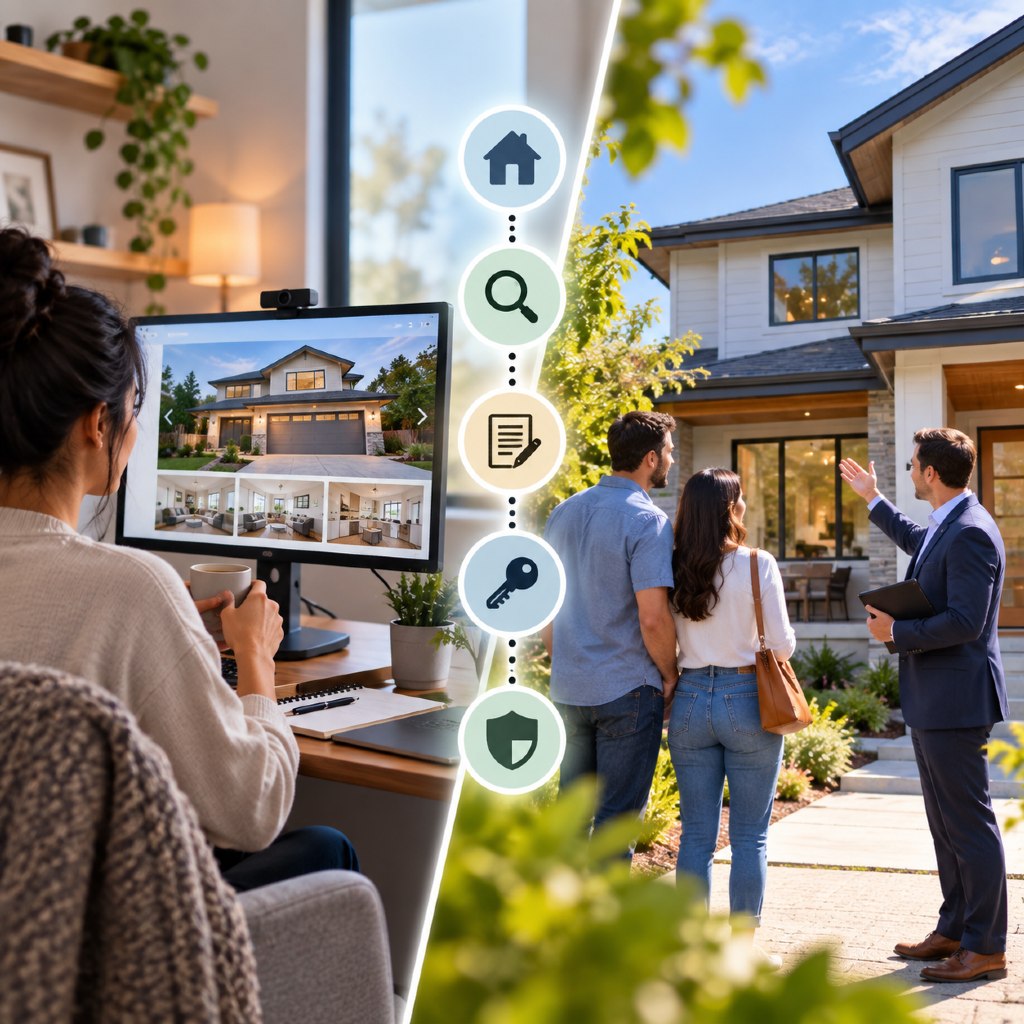
Virtual home buying is a real estate transaction where most—if not all—steps are completed remotely, using digital tools. Rather than touring homes, signing paperwork, and attending closing appointments in person, you use online resources to research, view, and buy your home. This method has grown more popular as buyers look for flexibility, efficiency, and ways to minimize travel or in-person contact.
Typical technology used
Virtual home buying relies on video conferencing, live streaming, and interactive 3D tours. Real estate agents may offer guided video walkthroughs or send you prerecorded tours of properties. Digital document management platforms, secure e-signature tools, and online portals enable you to review, sign, and submit paperwork from anywhere. Some closings even happen entirely online, using remote notarization and funds transfers.
How Does In-Person Home Buying Work?
Overview of traditional process
The traditional, in-person home buying process has been the foundation of real estate for decades. You physically visit homes, meet with real estate professionals, attend inspections, and turn over keys and documents face-to-face. This tactile experience lets you get a thorough in-person sense of each property.
Key steps from search to closing
The traditional process typically includes meeting with a real estate agent, touring properties, negotiating and submitting offers on paper or in meetings, and attending in-person inspections and appraisals. Documents are reviewed and signed in office settings or at official closings, where you get the keys directly after completing the necessary paperwork.
What Are the Key Differences?
Timeline variations
Virtual home buying can often speed up certain stages. Scheduling digital tours and signing documents remotely reduces travel and waiting time. However, some remote procedures (like appraisals) might still depend on local timelines. In-person transactions may stretch timelines due to scheduling challenges and multiple site visits.
Communication styles
With virtual buying, communication leans heavily on email, video calls, and live chat. In-person buyers may rely more on face-to-face meetings—allowing for immediate feedback and rapport but also requiring more coordination.
Property viewing experience
Virtual tours provide convenience and flexibility but can lack the sensory and spatial depth of an in-person visit. Smells, sounds, and subtle details are easier to notice onsite. Still, digital innovations like high-resolution, 3D walkthroughs now help bridge some of this gap.
Step-by-Step: Virtual Home Buying Process
Step 1: Research and lay the groundwork
Start by identifying your home buying goals, budget, and prioritized features. Use online listing platforms and digital resources to explore neighborhoods and price ranges. Engage with a real estate agent who is comfortable with digital communication and virtual processes.
Step 2: Identify and view properties online
Browse available properties through online listings, filter results, and request additional videos, floor plans, or 3D model tours from the agent. Make a shortlist of homes that fit your criteria for further review.
Step 3: Virtual tours and digital offers
Attend live-streamed or prerecorded virtual tours. Ask your agent to highlight key areas, answer questions in real time, and show details up close. Once you find a suitable property, draft and submit your offer electronically, supported by secure document-signing tools.
Step 4: Remote inspections and appraisals
Hire inspectors and appraisers who can conduct their assessments without your physical presence, sharing detailed reports and digital walkthroughs. Some may offer video calls to review results. Discuss findings with your agent to determine next steps.
Step 5: Digital closing and next steps
Finalize documents using e-signatures and authenticate your identity through secure online platforms. Arrange a remote closing appointment if available in your area, and transfer funds electronically. Your agent or a courier delivers the keys and final paperwork, completing your virtual transaction.
Step-by-Step: In-Person Home Buying Process
Step 1: Arrange financing and pre-approval
Consult with a mortgage lender or financial professional to establish your budget, credit profile, and pre-approval for a loan. This step usually involves in-person meetings, though many lenders now offer online options too.
Step 2: Tour properties in person
Schedule property viewings with your agent to walk through homes, observe conditions firsthand, and ask questions on site. Take notes or photos to compare candidates.
Step 3: Make offers face-to-face
Prepare your offer with your agent. In many cases, you’ll review paperwork together, sign in person, and deliver the offer directly to the seller or their representative.
Step 4: In-person inspections and walkthroughs
Attend inspections and appraisals, walking through the property with specialists to see findings up close. Final walkthroughs let you confirm the property’s condition before closing.
Step 5: Closing day protocol
Meet at a designated office, title company, or attorney’s office to sign final documents. Once all funds and paperwork are processed, receive the keys to your new home in person.
What Are the Pros and Cons?
Virtual process: advantages and limitations
The virtual approach offers greater flexibility, reduced need for travel, and efficiency. You can shop for homes beyond your immediate area and avoid scheduling conflicts. On the downside, you may miss out on subtle onsite details and face limitations if you’re not comfortable with technology. Internet glitches or unfamiliarity with digital signatures can also be hurdles.
In-person process: benefits and drawbacks
Seeing homes in person gives you a vivid, multisensory impression. You can more easily spot issues, ask spontaneous questions, and build relationships with those involved. However, in-person buying can be less convenient, time-consuming, and may require more effort to coordinate schedules and travel.
How Safe Are Virtual Vs. In-Person Closings?
Privacy and security considerations
Virtual closings depend on robust online platforms for document management and e-signatures. These systems use strong encryption, multi-factor authentication, and secure storage to safeguard your data. Still, you should confirm your agent and vendors follow best practices to prevent fraud or breaches. In-person closings typically require physical document handling, but your information is also subject to traditional storage risks.
Health and safety factors
Virtual transactions minimize the need for face-to-face contact, supporting social distancing and limiting exposure to illness. In-person closings, while secure, may pose higher health risks during widespread illness or if personal health is a major concern.
Which Approach Suits You Best?
Questions to ask yourself
- Are you comfortable with digital technology and secure online communication?
- Is it important for you to experience homes in person before making a decision?
- Do you need a process that allows remote participation because of travel limits or health priorities?
How to weigh priorities
Consider your comfort level with technology, schedule flexibility, and risk tolerance. If tactile experiences or in-person support are important, traditional buying may be a better fit. If you need efficiency, flexibility, or want to avoid unnecessary contact, virtual buying could deliver the experience you prefer.