
Key Takeaways
- Manufactured homes offer affordability and flexibility but require careful inspection and an understanding of financing.
- A step-by-step approach to searching, evaluating, and closing can help you make an informed home-buying decision.
Did you know manufactured homes can offer an affordable path to homeownership with unique benefits and important considerations? If you’re exploring this housing option, understanding the process from search to closing can help you move forward with clarity and confidence. This guide explains what to expect at every major step.
What Are Manufactured Homes?
Definition of manufactured homes
Manufactured homes are residential structures built in a factory setting, then transported to the home site. These homes meet federal building standards set by the U.S. Department of Housing and Urban Development (HUD). Unlike other types of mobile or modular homes, manufactured homes are built as a single unit or in multiple sections and designed to be long-lasting and energy-efficient.
How these homes differ from site-built homes
The main difference lies in construction and delivery. Site-built homes are built directly on the lot where they’ll stay, using traditional construction methods. Manufactured homes, on the other hand, are fully built in a factory and placed on a plot of land or within a manufactured home community. Both types are intended for permanent residence, but manufactured homes typically offer faster setup and greater affordability.
Why Consider a Manufactured Home?
Benefits of manufactured homes
Manufactured homes can be a more affordable path to homeownership. Factory construction often reduces labor and material costs. Energy-efficient designs and modern amenities have improved over time, offering comfort at a lower price point. In addition, you can place manufactured homes on private lots or in dedicated communities, depending on your needs and lifestyle.
Who may benefit most?
Manufactured homes suit first-time buyers, retirees looking to downsize, and those seeking affordable housing. They may also appeal to people who need a home quickly or families who want customizable options that fit various budgets. If you seek a balance between value and comfort, a manufactured home could be a practical choice.
How Do You Find Listings?
Online search methods
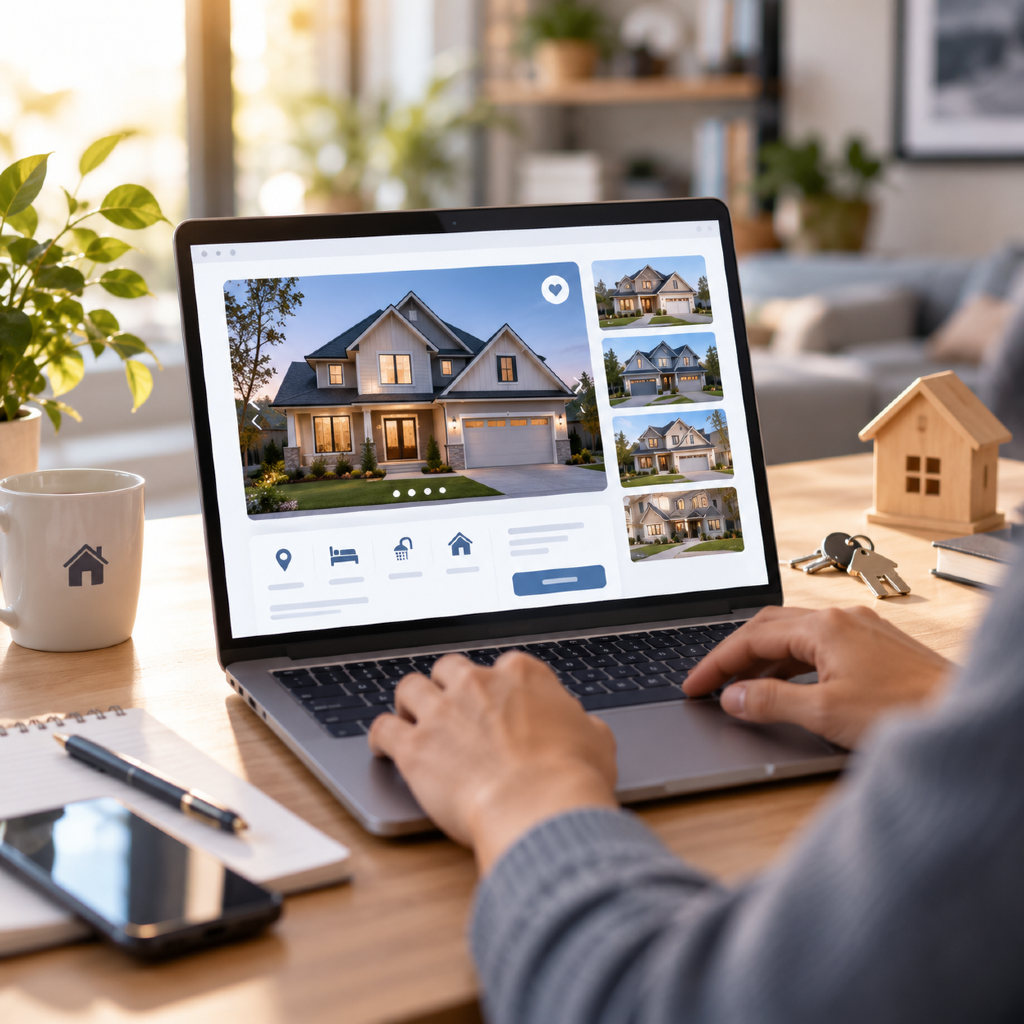
Start your search with websites dedicated to manufactured homes for sale. National and regional listing platforms allow you to filter by location, price, model year, and other features. These websites often include virtual tours, photos, and detailed descriptions. Comparing multiple listings online gives you an early sense of current options before you ever leave home.
Community and dealer options
Manufactured home communities may have on-site sales offices or bulletin boards advertising available homes. Licensed dealers and retailers are also key sources—they can show you new and pre-owned models, and explain different layout and feature options. Some buyers also find opportunities through word of mouth or local advertising in community newsletters.
What to Look For During a Tour?
Exterior inspection tips
When viewing a manufactured home in person, start by inspecting the exterior. Look for signs of damage to siding, skirting, or roofing. Check that doors and windows are properly sealed, and confirm the foundation is stable and secure. Watch for moisture issues, such as soft spots on decks or patios, and ask when the roof was last replaced or repaired.
Evaluating the home’s interior
Step inside and take note of the general layout and livability. Test electrical outlets, plumbing fixtures, and major appliances to make sure they work properly. Check floors, walls, and ceilings for signs of water leaks, structural issues, or aging materials. If the manufactured home includes upgrades or renovations, confirm that all work was completed to code and with proper permits.
How Does Financing Work?
Loan options for buyers
Financing a manufactured home can differ from traditional site-built homes. Some buyers use chattel loans, which are designed specifically for homes that don’t include a permanent foundation or land. Others pursue traditional mortgages, which may require the home to be permanently installed on land you own. Some lenders also offer specialized loan programs for new or used manufactured homes, both on owned land and within communities. Each option has different terms, so compare thoroughly and consult independent financial resources before committing.
Down payments and credit considerations
The required down payment can vary by loan type, the home’s age, and the buyer’s credit profile. Generally, stronger credit may lead to more favorable terms or lower down payments, but every lender is different. Review your personal credit and financial situation, then speak with lenders to understand your eligibility and the documents you’ll need to provide, such as proof of income, identification, and home details.
What Risks Should Buyers Know?
Potential market fluctuations
Location, age, market trends, and whether you own the underlying land can influence manufactured home values. Like any real estate, prices may fluctuate over time. Factor in potential market changes when evaluating your purchase, and plan for long-term ownership to help reduce risk.
Understanding home condition and warranties
Pre-owned manufactured homes may have different maintenance histories, so inspect carefully and ask the seller for any available maintenance records. Ask if warranties are still in effect for the structure, systems, or appliances, and read all terms closely. Not all warranties are transferable, and coverage varies, so get clarification before closing. If available, consider a professional home inspection to help uncover hidden issues.
What Are Common Closing Steps?
Preparing documents
Once your offer is accepted, you’ll need to gather and review documents, such as the purchase agreement, title paperwork, proof of insurance, financing statements, and inspection reports. Double-check each document for accuracy and completeness, and ask the seller or your lender for explanations if any terms are unclear.
Closing day overview
On closing day, you’ll sign all final documents, provide the required payment (including down payment and closing costs), and receive keys or access instructions. The title will be transferred to you in accordance with state and local requirements. Your lender or closing agent can help outline the remaining steps so you know what to expect.