Key Takeaways
- Move-in ready homes provide convenience and less stress, while fixer-uppers offer more customization potential and equity growth.
- Carefully evaluate your budget, timeline, and goals to select the home type best suited to your needs.
Choosing between a move-in ready home and a fixer-upper is a major decision that can shape your finances, comfort, and day-to-day life. This comparison will help you understand their features, value, and the steps you should take to make an informed choice that fits your goals.
What Is a Move-In Ready Home?
Defining move-in ready
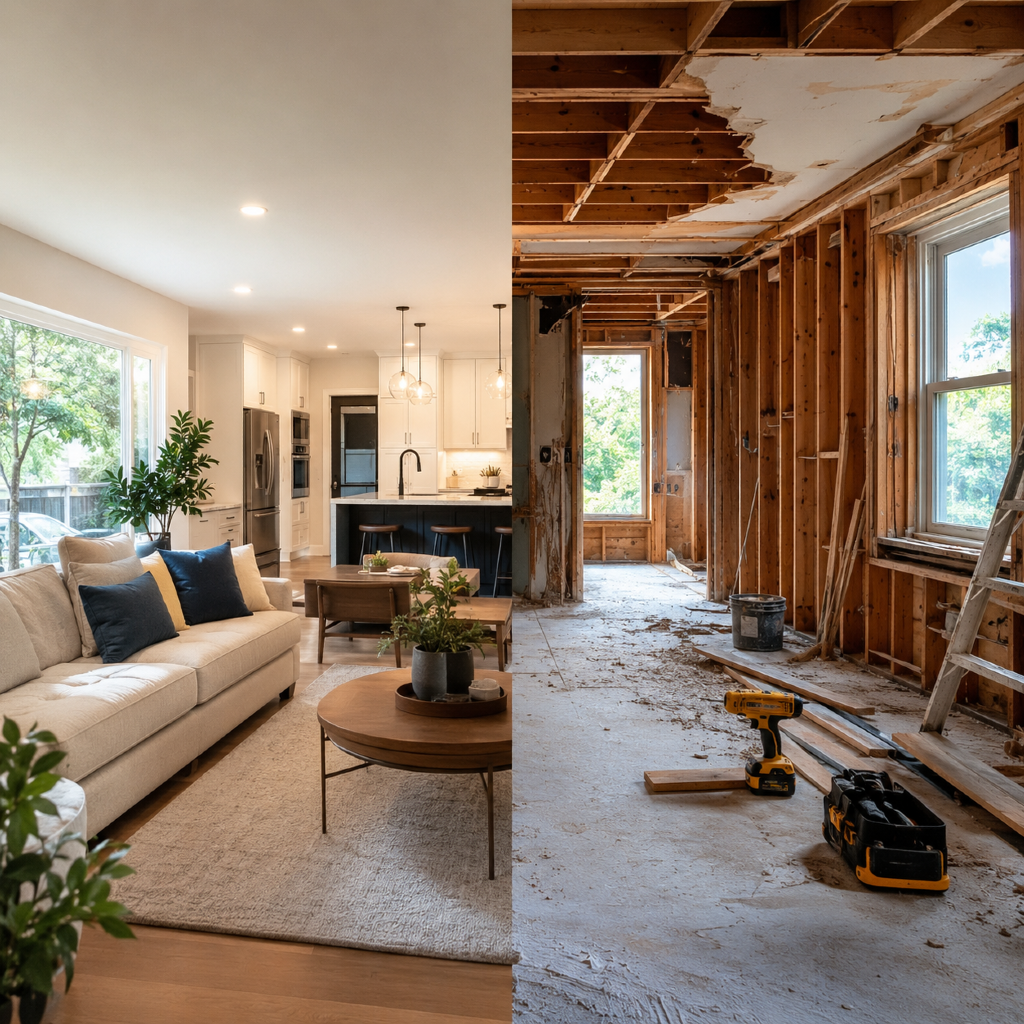
“Move-in ready” describes a home that requires no immediate repairs or renovations. You can expect to settle in right away, as these properties meet local codes and have functioning essentials. Everything should be in working order, from the plumbing to the electrical system, and the home is considered safe and livable.
Common features and finishings
Move-in ready homes typically feature updated or well-maintained kitchens and bathrooms, fresh paint, modern appliances, and compliant heating or cooling systems. Flooring, lighting, and fixtures are generally in good shape. These homes may also have extras such as landscaping, finished basements, or energy-efficient upgrades that enhance comfort and appeal.
What Qualifies as a Fixer-Upper?
Typical characteristics
A fixer-upper is a property in need of repairs, updates, or remodeling before it can reach its highest potential. These homes are often sold as-is and may display visible wear, outdated designs, or incomplete projects. Issues can vary significantly, from cosmetic flaws to structural repairs.
Potential renovation needs
You might encounter kitchens and bathrooms desperately in need of updates, older windows and roofs, or mechanical systems that are past their prime. Renovations could involve anything from painting and new flooring to roof replacement, plumbing overhauls, or even correcting code violations. Each fixer-upper’s needs are unique, so a thorough inspection is crucial.
How Do Move-In Ready Homes Differ?
Immediate livability benefits
The key advantage of a move-in ready home is convenience. You can move your belongings in and start living comfortably from day one, without the disruption of ongoing improvements. This can be a significant benefit if you have limited time, a tight relocation schedule, or prefer to avoid dealing with contractors and project management.
Renovation avoided
By choosing a move-in ready home, you avoid the unpredictability and stress associated with renovations. There are no surprise costs for critical updates, and you know your living conditions from the outset. This can translate into a smoother home-buying process and fewer unexpected expenses.
How Do Fixer-Uppers Add Value?
Ways to build equity
One of the main appeals of a fixer-upper is the opportunity to build equity by improving the property. Strategic renovations can potentially increase the home’s value beyond your total investment. If you purchase a fixer-upper below market value and make smart upgrades, you may benefit financially if home values increase or when you decide to sell in the future.
Personalization opportunities
Fixer-uppers allow you to personalize your living space. You can select finishes, colors, and layouts that match your taste—not just what previous owners preferred. This is ideal for buyers with a strong vision or those hoping to tailor a home to their unique needs and style.
What Are the Financing Considerations?
Mortgage basics for each option
Move-in ready homes usually qualify for standard mortgages because they meet lending requirements for safety and habitability. Lenders are generally comfortable financing these properties without extra conditions.
Fixer-uppers, on the other hand, might not qualify for some mortgage types, especially if major repairs are needed. Some buyers may need to explore specialized financing options if the home cannot be occupied “as is.”
Repair and renovation loan types
If you’re considering a fixer-upper, there are loan programs designed to help cover both the purchase price and renovation costs. These may include renovation mortgages or home improvement loans. Each comes with different qualifications and structures. Always review the eligibility, terms, and restrictions in detail with a lending professional.
What Are the Risks of Each Choice?
Upfront costs and timelines
Move-in ready homes often come with higher purchase prices, but fewer unexpected expenses during and after the transaction. You’re paying for convenience and certainty.
Fixer-uppers can require substantial upfront cash for repairs and updates, and total costs can be unpredictable. Projects may face delays due to permitting, contractor schedules, or surprises uncovered during renovation.
Market and resale risks
No home purchase is risk-free. Market conditions fluctuate, and resale value can change over time. With move-in ready homes, you gain immediate livability, but possibly less room for value growth through improvements. With fixer-uppers, if renovations cost more than expected or market values decline, financial returns may be limited.
It’s important to acknowledge that both options carry market and financial risks, and past results aren’t guarantees of future outcomes.
Which Is Right for Your Situation?
Assessing your budget and goals
Start by evaluating your financial resources, comfort with renovations, and how soon you need to move. A move-in ready home may suit you if you want simplicity or can’t manage large projects. A fixer-upper could be ideal if you seek a lower purchase price and enjoy transforming a space.
Long-term lifestyle factors
Consider how long you plan to stay in the home, your willingness to handle ongoing projects, and your desired level of customization. Families may value stability, while others prioritize control over design. Write down your essential criteria and weigh them against each option’s realities.
Step-by-Step: Home Buying for Both Options
Initial research and budget setting
Begin by getting pre-approved for a mortgage and establishing a realistic budget that considers both purchase and potential renovation costs. Research neighborhoods, look at recent listings (including both move-in ready homes near you and potential fixer-uppers), and identify properties that fit your criteria.
Property tours and inspections
Tour homes with your goals in mind, watching for signs of needed repairs or upgrades. Always invest in a thorough home inspection—especially with fixer-uppers—to help estimate renovation budgets accurately and avoid surprises.
Making an offer and closing process
When you’re ready to make an offer, factor in any necessary repairs or updates when determining a fair price. Negotiate as appropriate and proceed through the appraisal, underwriting, and closing steps. For fixer-uppers, be prepared to submit renovation plans and budgets to lenders, if required, and allow for additional time before move-in.