
Key Takeaways
- Understand each step and agreement element in the rent-to-own home process to make informed decisions.
- Following best practices, such as careful contract review and budgeting, reduces financial risk.
Thinking about rent-to-own as a path to homeownership? This guide walks you through every stage, from how rent-to-own works to the agreement details, and the best practices for a smooth, confident experience. You’ll find everything you need to know—whether you’re exploring, comparing, or preparing to sign a contract.
What Is Rent-to-Own Housing?
Definition and overview
Rent-to-own housing is a process where you lease a home for a specific period, with an option—or obligation—to purchase it before the lease ends. Unlike a standard rental, a rent-to-own agreement combines elements of both leasing and buying. You typically pay an upfront fee for the purchase option and may also have a portion of your rent credited toward the future down payment.
How rent-to-own differs from renting
A traditional lease focuses only on tenancy, not ownership. With rent-to-own, you enter into a lease with added terms outlining how and when the property can become yours. This model gives you time to build credit, save for a down payment, or try out a home and neighborhood before committing to buy.
Why Consider Rent-to-Own?
Common situations for rent-to-own
People turn to rent-to-own for various reasons:
- Limited access to traditional mortgage financing due to credit or income constraints.
- Desire to lock in a purchase price in a rising market.
- Interest in gradually stepping into homeownership while preparing financially.
- Need for flexibility if you’re unsure about long-term plans.
Potential risks and benefits
Benefits include the chance to build equity before buying and a smoother transition from renting to ownership. However, there are risks—such as nonrefundable option fees, potential loss of rent credits if you don’t purchase, and the possibility that home values change in unexpected ways. Reviewing terms and understanding your responsibilities can mitigate these risks.
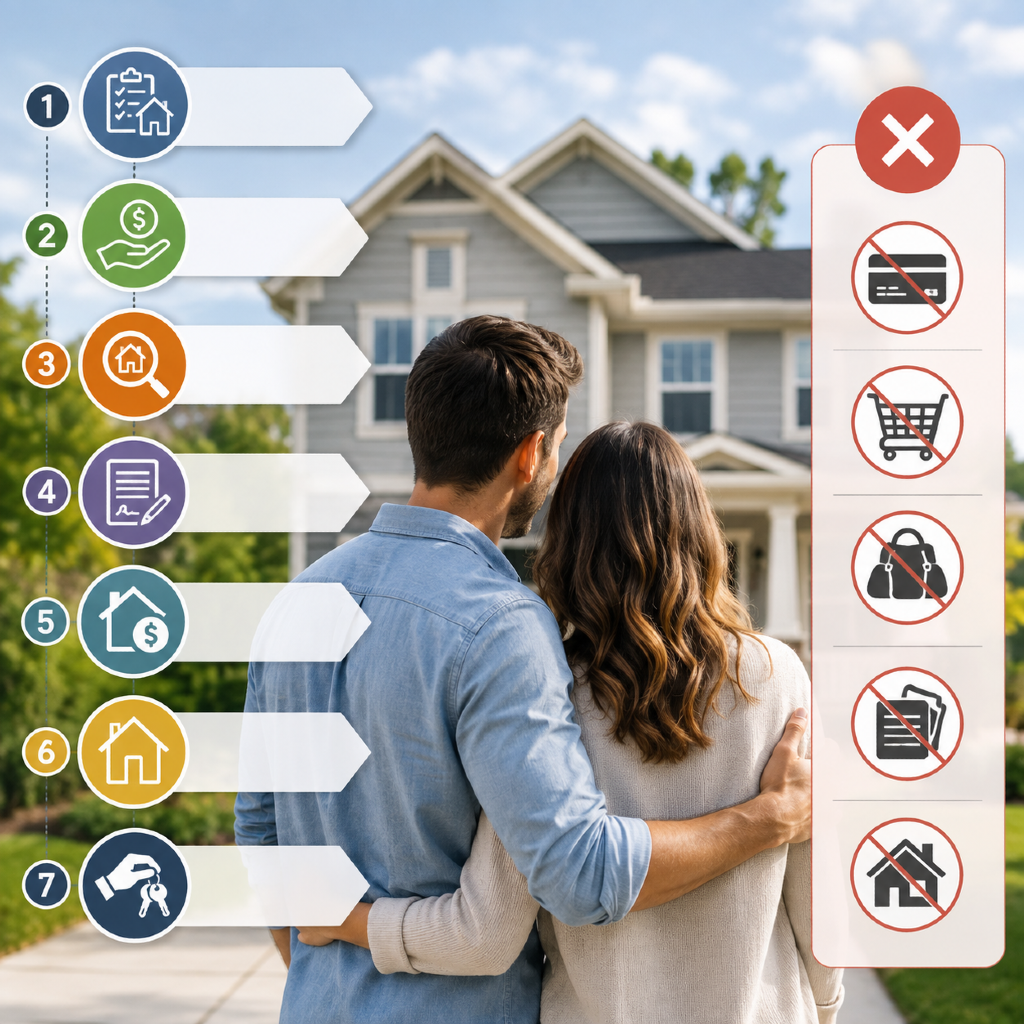
What Are the Main Steps?
Searching for available properties
Begin by identifying homes that offer rent-to-own terms. You might find options through real estate listings, local property managers, or online platforms specifically for lease-to-own arrangements. Always verify that properties are genuinely available under rent-to-own contracts before proceeding.
Evaluating agreement offers
Not all offers are alike. You’ll need to compare contracts by reviewing their terms—including the option fee, purchase price, rent premium, maintenance responsibilities, and more. Asking questions and seeking clarification at this stage is essential.
Securing a rent-to-own contract
Once you find a suitable property and acceptable deal, both you and the owner sign a rent-to-own agreement. Be sure to obtain copies for your records and make sure all negotiated terms are documented.
Timeline expectations
Most rent-to-own agreements last one to three years, with a clear end date for exercising your purchase option or obligation. Track your timeline carefully; missing deadlines can mean forfeiting your option or incurring additional costs.
How Does the Agreement Work?
Typical contract components
Rent-to-own contracts have several main sections:
- Lease terms (rent, duration, late fees, renewal policy).
- Option to purchase or lease purchase clause.
- Option fee amount and terms about its refundability.
- Roles around repairs, maintenance, and property taxes.
- Purchase price (set upfront or determined later).
- Credits applied toward your future down payment.
Option fee and purchase price
The option fee secures your right to buy the home later; it’s typically nonrefundable but is often applied to your down payment if you purchase. Purchase price can either be fixed at the start or determined using a market formula when you’re ready to buy. Always know how these numbers are calculated.
Rental payments and credits
Each month, you pay rent as specified in the agreement. Some contracts include a rent credit—where a portion of your payment counts toward your future down payment or purchase. The amount and conditions for those credits should be detailed in your contract.
Key Best Practices to Follow
Reading and understanding every clause
Read every part of your agreement carefully before signing. Look for clauses regarding maintenance, deadlines, financing, and what happens if you decide not to buy. Seeking clarification helps prevent surprises down the road.
Budgeting for possible costs
Beyond monthly rent, budget for:
- The upfront option fee.
- Higher-than-market rents in some cases.
- Maintenance or repair obligations that shift to you.
- Closing costs if you purchase later.
Having a clear financial plan can prevent you from feeling strained if unexpected expenses arise.
Knowing when to consult professionals
Because these contracts affect your housing and finances, consulting with a real estate attorney or housing counselor is often wise. Professionals can spot confusing language, protect your interests, and answer procedural questions.
What Questions Should You Ask?
Essential due diligence questions
Start with questions like:
- Who currently owns the property?
- Are there existing liens or unpaid taxes?
- What happens if the property value drops before I buy?
- Will I be refunded my option fee or rent credits if I don’t buy?
Documenting answers, ideally in writing, can help if disputes arise.
Clarifying financial responsibilities
Make sure you know:
- Who pays for repairs and maintenance during the lease?
- Which costs are credited toward purchase, and under what conditions?
- What penalties apply for missed payments or breaking the agreement?
This knowledge lets you budget wisely and plan for any scenario.
Rent-to-Own vs Other Paths
Traditional mortgage comparison
Rent-to-own offers flexibility for buyers who need time to build savings or credit. With a traditional mortgage, you buy immediately, often after a more rigorous approval process. While mortgages can support conventional equity building from day one, rent-to-own spreads this transition over several years—with different risks and rewards.
Lease purchase versus lease option
A lease purchase requires you to buy at the end of the lease, while a lease option simply gives you the choice. The distinction is crucial: a lease purchase has more legal and financial commitment, so choose based on your comfort with either obligation or optionality.