Key Takeaways
- Buying a home during a recession offers both unique risks and valuable opportunities for well-prepared buyers.
- Careful financial planning and due diligence can help you navigate uncertain markets and make confident decisions.
If you’re considering purchasing a home during a recession, you’re not alone—many buyers are drawn to the distinct advantages and challenges these economic times present. This guide explores essential risks, potential opportunities, and prudent financial strategies to help you make an informed decision.
What Does Buying in a Recession Mean?
Defining a recession in real estate
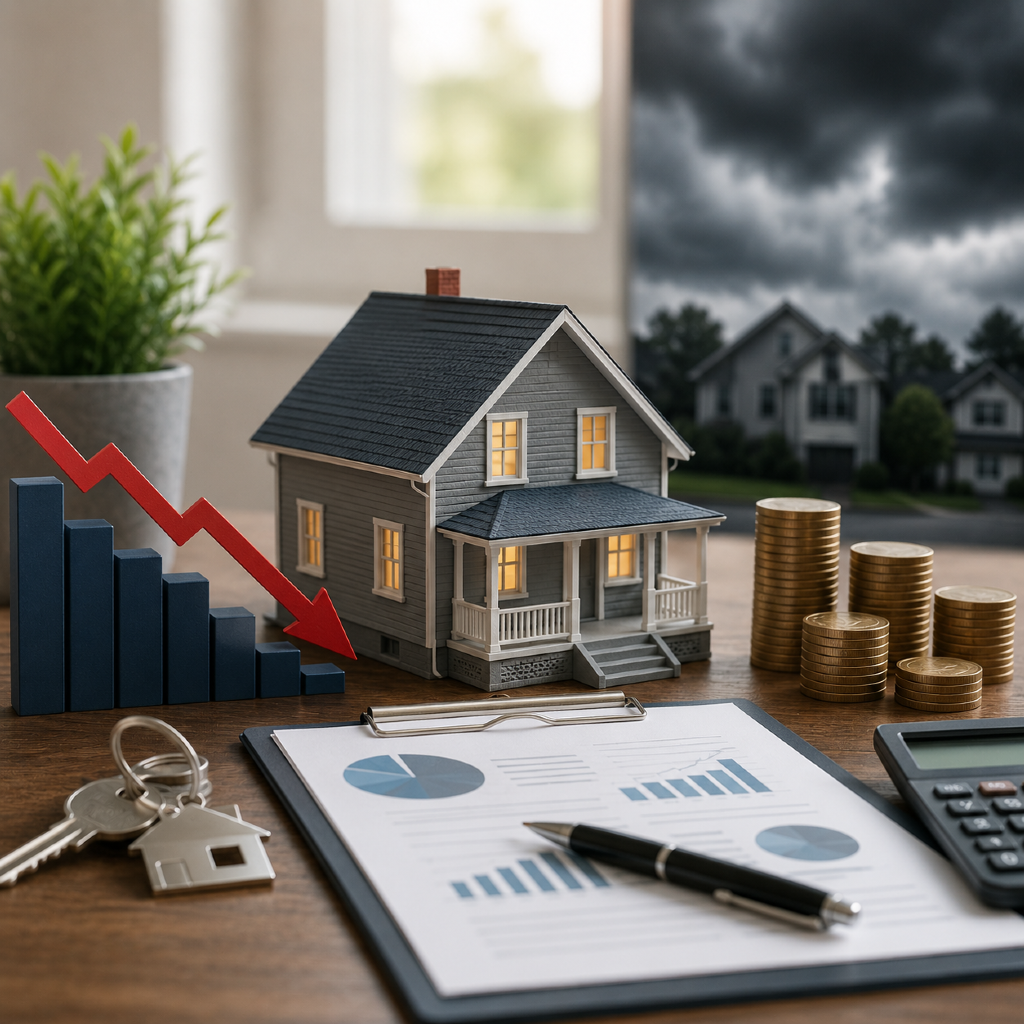
A recession is generally defined as a period of economic decline, often marked by rising unemployment, shrinking GDP, and reduced consumer spending. In real estate, a recession usually translates to fewer property sales, lower home prices, and increased uncertainty for both buyers and sellers.
Typical market shifts and buyer concerns
During economic downturns, the housing market often experiences reduced competition, more properties sitting on the market, and changes in home values. As a buyer, you might worry about job security or how property values will trend in the coming years. Understanding how market cycles impact availability, pricing, and mortgage lending can help you manage these concerns with confidence.
Why Consider Buying During a Recession?
Potential opportunities for buyers
Recessions can reduce demand for homes. This often leads to less competition and, in some cases, lower asking prices. Sellers may be more flexible on price or terms, providing negotiation opportunities. For some buyers, especially those with stable finances, a recession may present a chance to purchase a property with favorable terms.
Motivations behind home purchases
People buy homes during recessions for various reasons—personal need, investment opportunities, or a desire for stability. Whether you’re looking to upgrade, downsize, or own your first home, your motivations might remain strong regardless of the broader economic climate. Assessing your personal circumstances is crucial before making such a significant purchase.
What Are the Main Risks?
Uncertain market trends
Home values can fluctuate unpredictably during recessions. While prices may drop, there’s no guarantee they’ll rebound quickly. Timing the market is difficult—even seasoned professionals often misjudge turning points. Enter the process with realistic expectations, recognizing the possibility that a property’s value could decrease after your purchase.
Job stability and financial security
Employment uncertainty is a key risk during a recession. If there’s a chance your income could change, you may face challenges with mortgage approval or making ongoing payments. Consider your job security, savings, and whether you have an emergency fund for unexpected expenses.
Property value fluctuations
Not all neighborhoods or property types react the same way to economic shifts. Some areas may lose value more quickly, while others might remain relatively stable due to location, demand, or local economic factors. Investigate recent sales and future development plans to gauge a property’s resilience in changing markets.
Are There Benefits to Purchasing Now?
Less buyer competition
With fewer people actively searching for homes during a recession, you may find open houses less crowded and bidding wars less common. This could offer you more room to negotiate and more time to make thoughtful decisions.
Motivated sellers and negotiation advantages
Owners may be eager to sell for a variety of reasons—relocation, financial need, or changing family circumstances. This motivation can lead to greater flexibility on price, repairs, or closing costs, which can benefit you in the negotiation process.
How Can You Prepare Financially?
Building a strong financial profile
Lenders look for well-qualified buyers, especially when economic conditions are uncertain. Strengthen your profile by maintaining steady employment, saving for a larger down payment, and checking your credit reports for accuracy. Reducing outstanding debts can also improve your loan options.
Setting and sticking to a homebuying budget
It’s important to establish a realistic budget based on your current income, essential expenses, and comfortable payment levels. Don’t be tempted to over-extend, even if you qualify for more. Remember to account for property taxes, insurance, maintenance, and reserves for emergencies.
Securing pre-approval and loan options
Before making an offer, seek mortgage pre-approval. This helps clarify your price range and shows sellers you’re a serious, qualified buyer. Compare different loan products and ask questions about terms, rates, and contingencies so you feel confident about your financing.
What Questions Should Buyers Ask?
Assessing personal readiness
Are you prepared for the responsibilities of homeownership? Ask yourself whether you anticipate remaining in the area long-term, whether your income is stable, and if you’re ready for the ongoing costs beyond the initial purchase.
Evaluating neighborhood and property stability
Investigate the local job market, school ratings, and ongoing development projects. Some neighborhoods are more resistant to downturns because of stable employers, convenient amenities, or strong community ties. Consider how these factors might influence future property values.
How to Navigate the Homebuying Process Safely
Working with real estate professionals
An experienced real estate agent or broker can provide insight into market conditions, property values, and negotiation strategies. Make sure to choose professionals who are knowledgeable, transparent, and committed to helping you make informed decisions—not just closing the deal.
Reviewing contracts and contingency planning
Carefully review all contracts before signing. Contingency clauses in your purchase offer can protect you if the home inspection reveals issues or if your financing falls through. Take time to discuss these options and what they mean for your particular situation.
Due diligence steps for buyers
Always conduct thorough inspections, verify property information, and double-check public records. Research zoning laws, HOA requirements, and potential redevelopment plans. Your due diligence, supported by professional advice, helps reduce surprises after closing.