Key Takeaways
- New construction homes offer modern features, lower maintenance, and customization, but may involve higher costs and potential delays.
- Thoroughly evaluate your needs, financing options, and builder reputation before choosing a newly built home.
Are you exploring the idea of buying a new construction home? Understanding what makes these homes unique—and what challenges you might face—can help you decide if a newly built property aligns with your needs. Here’s a comprehensive guide to help you navigate the ins and outs of new construction homes for sale.
What Are New Construction Homes?
Definition and key characteristics
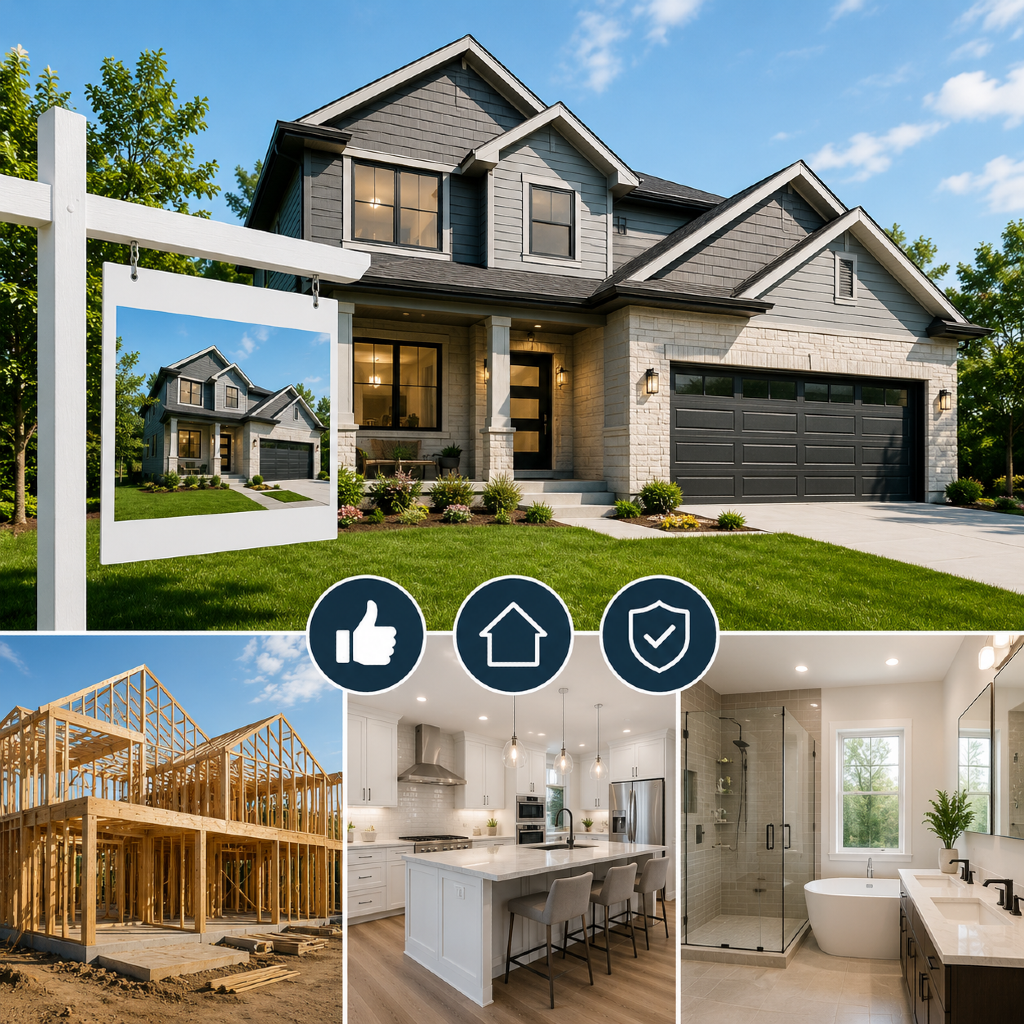
New construction homes are residential properties built from the ground up, typically offered for sale before, during, or immediately after completion. These homes are built to current construction codes and often feature the latest materials and finishes. A new build means no previous owners, so you’re the first to call it home.
How new builds differ from existing homes
Unlike resale homes, which have a history of previous occupants and varying degrees of updates, new construction homes give you a fresh start. They typically require fewer immediate repairs and offer the chance to select finishes or features. Existing homes may have established landscaping and mature neighborhoods, but new builds provide up-to-date layouts and often incorporate recent advances in design, technology, and efficiency.
What Features Make New Homes Unique?
Modern design elements
You’ll notice that new construction homes often highlight open floor plans, larger windows, and flexible spaces like home offices or bonus rooms. Contemporary kitchens, updated bathrooms, and integrated smart technology are standard in many new builds. These design trends create spaces that feel flexible, efficient, and tailored for today’s lifestyles.
Energy efficiency upgrades
One of the most significant draws of new homes is improved energy efficiency. Many builders include enhanced insulation, double- or triple-pane windows, energy-efficient appliances, and advanced heating and cooling systems. These features not only reduce utility bills but also contribute to a more comfortable indoor environment.
Customization options
Buying a new construction home often allows you to customize details before move-in. Depending on the stage of build, you might select kitchen finishes, flooring types, paint colors, and even room layouts. While some communities offer pre-designed packages, others enable extensive personalization to suit your preferences.
What Are the Pros of Buying New Construction?
Lower maintenance needs
Since everything in a new home is freshly installed, you’re less likely to face repairs or replacements in the initial years. Major systems—like plumbing, roof, and HVAC—are brand new, reducing the worry about unexpected breakdowns.
Builder warranties explained
Most builders include a limited warranty covering certain structural elements, systems, and commonly used finishes. These warranties—varying by builder and region—can offer peace of mind, covering defects or issues that arise within the stated period. Before purchasing, it’s important to review what’s included and the duration of coverage.
Up-to-date safety standards
New construction homes are built to current building codes and safety standards. These often include enhanced fire safety features, modern wiring, up-to-date plumbing, and improved ventilation. Compliance with these standards supports your long-term safety and comfort.
Are There Downsides to Consider?
Potential delays in completion
Building a home is a complex process, and timelines can sometimes shift due to weather, supply chain issues, or labor shortages. If you’re considering a home that’s not yet completed, be aware that move-in dates can change. Communicate regularly with the builder for status updates and have contingency plans if your timeline is tight.
Upfront costs and premiums
New construction homes can come with price premiums compared to similar existing homes, often reflecting modern features and energy efficiency. Upgrades and customization may also increase your total cost. Remember to factor in additional expenses such as landscaping, window treatments, or homeowner association fees which might not be included in the base price.
Neighborhood development factors
When buying in a new development, you may face ongoing construction, unfinished amenities, and fewer mature trees or landscaping. It can take time for new neighborhoods to develop fully, which may affect your short-term living experience and community feel.
How Does Financing Work for New Builds?
Mortgage basics for new construction
Financing a new construction home is similar to financing a resale property, but there are some important differences. Many buyers use conventional, FHA, or VA loans. However, if you’re building a home “from scratch” on your own lot, you may need a construction-to-permanent loan, which transitions from a construction loan to a regular mortgage once the home is finished.
Deposit and payment schedules
Builders typically require an initial deposit when you sign the sales contract. Additional payments or deposits may be due at certain milestones—such as after customization selections or just before closing. Always review and confirm the payment schedule outlined in your builder agreement.
Construction loan considerations
If your build is custom and not part of a planned development, you might need a construction loan to cover building costs. This type of loan may involve multiple draws (payments to the builder) as work progresses and usually converts to a standard mortgage upon completion. Keep in mind that lending requirements and down payment rules can differ for construction loans.
What Should Buyers Ask Before Committing?
Questions about builder reputation
Research the builder’s history. Ask how long they’ve been in business, request references from prior buyers, and check online reviews. Visit completed developments to gauge the quality and upkeep of finished homes.
Inclusions and upgrade options
Clarify what’s included in the base price and which items are considered upgrades. Request a detailed list of standard features and review options for customization. It’s wise to ask about deadlines for making upgrade selections and how they affect the timeline and price.
Warranty coverage details
Carefully review warranty documents provided by the builder. Understand which items are covered, what is excluded, and how claims are handled. Knowing the warranty terms helps set expectations for your first years in the home.
Is a New Construction Home Right for You?
Comparing to resale properties
New homes offer modern features and lower immediate maintenance, but may cost more upfront or lack neighborhood maturity. Resale properties often have established landscaping and may offer faster move-in timelines, but might require updates or repairs. Weigh both options against your budget, time frame, and desired lifestyle.
Weighing personal needs and priorities
Consider what matters most: customization, energy efficiency, location, and timing. Create a list of priorities that reflects your family’s needs. Touring both new and existing homes can help clarify which choice aligns best with your goals and comfort.